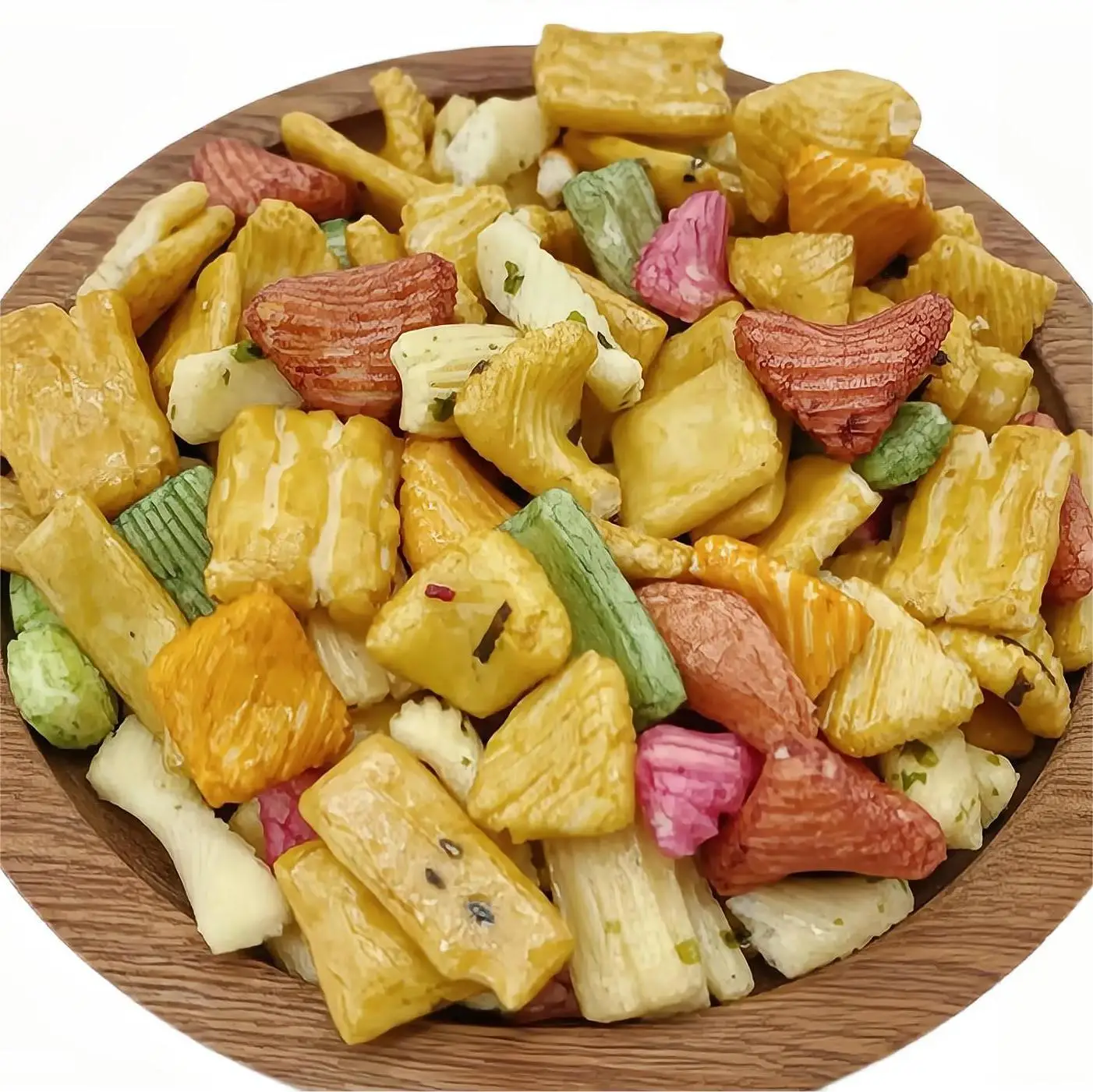
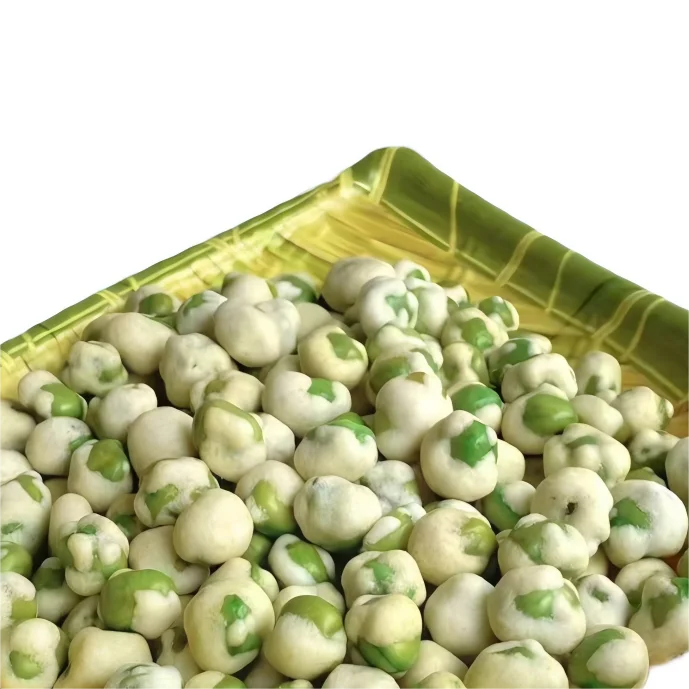
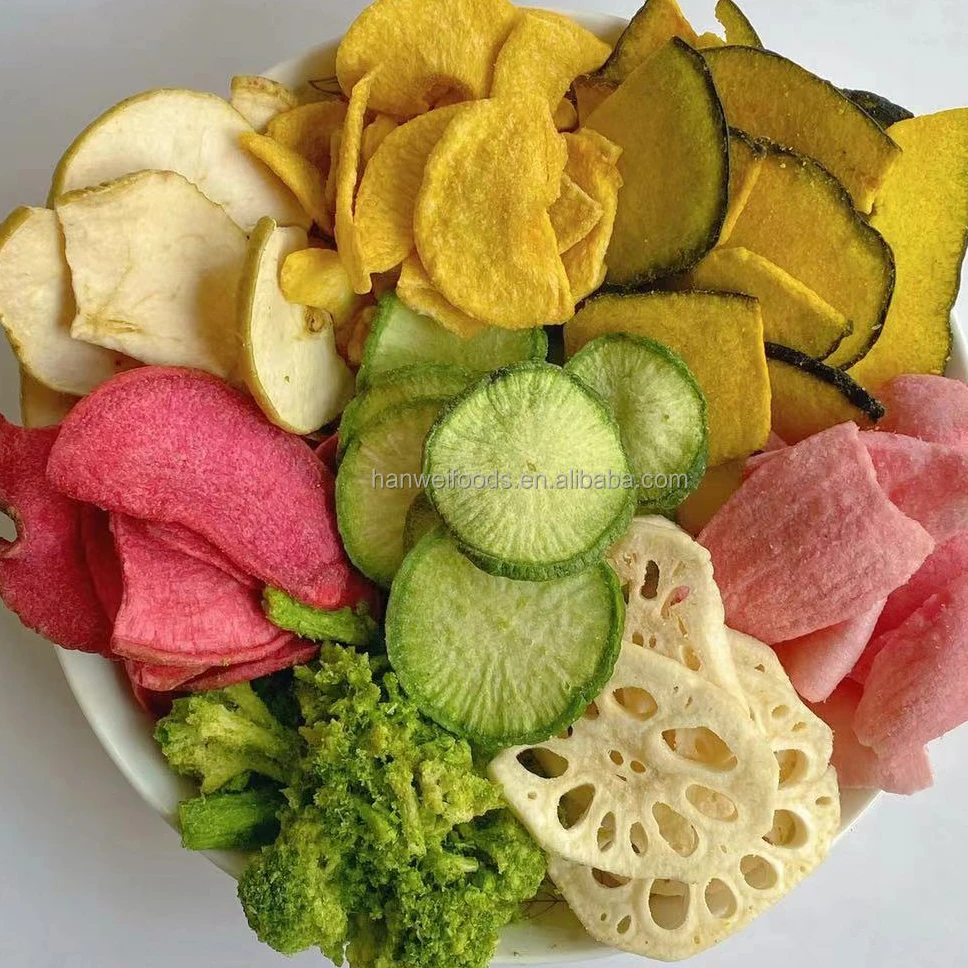
Svetový trh s oštiepkami zaznamenal bezprecedentný nárast dopytu po zdravších alternatívach k tradičným spracovaným oštiepkam, ktoré sú bohaté na bielkoviny. korenistá zelená fazuľa získali pozornosť nielen spotrebiteľov, ale aj distribútorov na veľkoobchodnom trhu, čím vznikli nové príležitosti pre prevádzkovateľov potravinových služieb, maloobchodné predajne a veľkoobchodných kupujúcich. Úspešné uspokojenie tohto rastúceho dopytu vyžaduje stratégiu, partnerstvá so dodávateľmi a pozíciu na trhu, ktorá zohľadňuje nielen výživové výhody, ale aj chuťové profily, ktoré hľadajú moderní spotrebitelia.
Výzvou pre prevádzkovateľov veľkoobchodného trhu je dosiahnuť rovnováhu medzi konzistentnými dodávkovými reťazcami, udržaním štandardov kvality výrobkov a pozíciou špicových zelených hráškov ako premium, no zároveň dostupnej zásoby na požívanie. Tento rastúci dopyt vyplýva z vyššej povedomosti o zdraví, popularity rastlinných bielkovín a preferencie spotrebiteľov pre odvážne, medzinárodné chuti, ktoré poskytujú nielen výživu, ale aj uspokojenie. Úspešné naplnenie tohto dopytu vyžaduje komplexné pochopenie trhových dynamík, výrobných kapacít a stratégií distribúcie, ktoré sa dokážu prispôsobiť rastúcej záujmovosti spotrebiteľov.
Výrazný nárast dopytu po korenistých zelených hráškach odráža širšie zmeny v správaní spotrebiteľov smerom k zdravšími možnostiam pre zakusovanie bez kompromisov s chutou. Moderní spotrebitelia aktívne hľadajú zakusky, ktoré poskytujú rastlinný bielkovinový obsah, vlákninu a nevyhnutné živiny, pričom zároveň ponúkajú intenzívne chuti, ktoré si žiadajú. Korenisté zelené hrášky sa dokonale zhodujú s týmito preferenciami a poskytujú približne 5–6 g bielkovín na porciu spolu s uspokojivou úrovňou korenia, ktorá sa páči rôznorodým chuťovým preferenciám.
Úspech na veľkoobchodnom trhu závisí od toho, či si dnešní spotrebitelia uvedomia, že korenisté zelené hrášky sú pre nich viac než len zakuska – predstavujú voľbu životného štýlu, ktorá podporuje ich zdravotné ciele a zároveň ponúka luxusné chuťové zážitky. Toto pozícionovanie vytvára príležitosti pre prémiové cenové nastavenie a stabilný dopyt v rámci viacerých trhových segmentov – od zdravotne zameraných kancelárskych zamestnancov až po fitness nadšencov hľadajúcich výživu po tréningu.
Demografická skupina, ktorá ovplyvňuje spotrebu pikantných zelených hráškov, zahŕňa milenialov a generáciu Z, ktorí kladia dôraz na transparentnosť zložiek, výživovú hodnotu a intenzívne chuťové profily. Títo spotrebitelia aktívne prehľadávajú informácie o výrobkoch, zdieľajú svoje skúsenosti na sociálnych sieťach a ovplyvňujú nákupné rozhodnutia v rámci svojich sietí, čím vzniká organický rast dopytu, ktorý môžu operátori hromadného trhu využiť prostredníctvom strategického pozicionovania a zabezpečenia kvality.
Účinné napĺňanie dopytu vyžaduje pochopenie odlišných požiadaviek na objem v jednotlivých segmentoch trhu. Prevádzkovatelia potravinových služieb zvyčajne potrebujú pravidelné mesačné objemy od 500 do 2 000 libier pikantných zelených hráškov na podporu ponúkaných jedál a poptávky zákazníkov. Maloobchodní distribútory môžu potrebovať mesačne 1 000 až 5 000 libier na udržanie primeranej zásoby v niekoľkých predajniach.
Programy podporujúce zdravie zamestnancov v podnikoch predstavujú vznikajúci segment s vysokým objemom, pričom spoločnosti nakupujú korenia a zelené hrášky vo veľkých množstvách na zásobovanie zamestnancov v rámci programov súvisiacich so snačmi a ponukou v jedálnych. Tieto zmluvy často zahŕňajú štvrťročné objednávky v rozsahu 1 360 až 4 540 kg, čo poskytuje stabilné vzory dopytu, okolo ktorých môžu prevádzkovatelia veľkoobchodných trhov plánovať výrobu a správu zásob.
Špecializovaní maloobchodní predávači a obchody so zdravou výživou zvyčajne pracujú s menšími, ale častejšími cyklami objednávok, pričom mesačne vyžadujú 90 až 360 kg s dôrazom na čerstvosť výrobku a vizuálnu atraktívnosť obalu. Porozumenie týmto rôznorodým požiadavkám umožňuje prevádzkovateľom veľkoobchodných trhov vyvíjať flexibilné dodávateľské stratégie, ktoré vyhovujú rôznym potrebám zákazníkov a zároveň zachovávajú prevádzkovú efektívnosť.

Spĺňanie rastúcej dopytového trhu po korenenej zelenej hrášku vyžaduje vytváranie partnerstiev s výrobcami, ktorí dokážu poskytnúť spoľahlivú výrobnú kapacitu, dodržiavať vysoké štandardy kvality a zabezpečiť škálovateľnosť. Úspešní operátori veľkoobchodného trhu uprednostňujú dodávateľov s certifikátmi, ako sú HACCP, BRC alebo SQF, ktoré zaručujú dodržiavanie požiadaviek na bezpečnosť potravín a zabezpečenie kvality počas celého výrobného procesu. Tieto partnerstvá tvoria základ spoľahlivých dodávateľských reťazcov, ktoré dokážu prispôsobiť svoju činnosť rastúcemu dopytu bez kompromitovania integritu výrobku.
Partnerstvá v oblasti výroby musia zohľadniť sezónne výkyvy v dostupnosti surovín a zároveň udržiavať konzistentné formulácie koreninových zmesí, ktoré zachovávajú charakteristické chuťové profily, ktoré od tohto výrobku očakávajú spotrebitelia z korenistá zelená fazuľa . Účinní dodávatelia zavádzajú prísne protokoly testovania obsahu vlhkosti, rovnomernosti rozloženia korenín a stability výrobku počas skladovania, aby sa zabezpečila konzistentná kvalita výrobku aj pri veľkých výrobných sériách.
Strategické dodávateľské vzťahy zahŕňajú tiež spoločné predpovedanie dopytu a plánovanie kapacity, ktoré predvída rast dopytu aj sezónne výkyvy. Táto spolupráca umožňuje výrobcom investovať do modernizácie vybavenia a školenia personálu, čo je nevyhnutné na zvýšenie výrobných kapacít pri zachovaní remeselného kvalitu, ktorý odlišuje premium pikantné zelené hrášky od alternatív určených pre hromadný trh.
Optimálny manažment zásob pikantných zelených hráškov spočíva v vyvážení dostatočných zásob s požiadavkami na čerstvosť výrobku, ktoré zachovávajú intenzitu chuti a kvalitu textúry. Účinní operátori veľkoobchodného trhu uplatňujú systémy rotácie „prvý dovnútra – prvý vonku“ a udržiavajú podmienky skladovania, ktoré bránia absorpcii vlhkosti a zkaženiu oleja, čo by mohlo poškodiť krehkú textúru a účinnosť korenín, ktorú od výrobku očakávajú spotrebitelia.
Umiestnenie do prostredia s regulovanou teplotou v rozmedzí 15,6–21,1 °C a relatívnou vlhkosťou pod 65 % pomáha udržať optimálnu kvalitu výrobku počas dlhodobého skladovania. Pravidelné kontrolné hodnotenia kvality každých 30–45 dní zabezpečujú, že kyslé zelené hrášky zachovajú svoju charakteristickú krehkosť a intenzitu chuti po celom distribučnom cykle.
Pokročilé systémy správy zásob sledujú dátum výroby, čísla šarží a ukazovatele kvality, čím umožňujú rýchlu reakciu na problémy s kvalitou a efektívnu rotáciu výrobkov. Tento systematický prístup minimalizuje odpad a zároveň zaisťuje, že zákazníci dostávajú stále čerstvé kyslé zelené hrášky, ktoré vyhovujú ich očakávaniam z hľadiska kvality a podporujú opakované nákupy.
Úspešné cenové stratégie pre pikantné zelené hrášky na veľkoobchodných trhoch vychádzajú z ich prémiovej pozície, ktorú tieto výrobky zaujímajú v dôsledku ich výživových výhod, špecifických požiadaviek na spracovanie a rastúcej dopytovej poptávky zo strany spotrebiteľov. Na rozdiel od komoditných zákuskových výrobkov sa za pikantné zelené hrášky ospravedlňujú vyššie ceny vďaka ich obsahu bielkovín, čistým zložkám a špecializovaným výrobným procesom, ktoré vytvárajú výrazné chuťové a textúrne charakteristiky.
Trhový výskum ukazuje, že veľkoobchodní kupujúci akceptujú cenné prirážky vo výške 15–25 % nad štandardné zákusky, ak pikantné zelené hrášky preukážu lepšie výživové profily a konzistentnú kvalitu. Táto prémiová pozícia si vyžaduje jasné komunikovanie hodnotových ponúk, vrátane obsahu bielkovín na jednu porciu, použitia prírodných surovín a štandardov výrobnej kvality, ktoré tieto výrobky odlišujú od lacnejších alternatív.
Účinné cenové stratégie tiež zohľadňujú štruktúry zľav na objem, ktoré podporujú väčšie objednávky a zároveň zachovávajú ziskové marže. Stupňované cenové systémy, ktoré ponúkajú zľavy 8–12 % pre objednávky presahujúce 1 000 libier, povzbudzujú nákup vo veľkoobjemovom formáte a súčasne podporujú obrat zásob a manažment hotovostných tokov pre dodávateľov aj kupujúcich.
Trhové pozícionovanie pikantných zelených hráškov vyžaduje jasnú diferenciáciu od tradičných sladkostí aj od konkurenčných zdravých alternatív. Úspešné pozícionovanie zdôrazňuje jedinečnú kombináciu rastlinného bielkovinového obsahu, uspokojujúcej krištáľovej chrumkavosti a výrazných pikantných chutí, ktorá súčasne napĺňa viaceré potreby spotrebiteľov. Toto pozícionovanie s viacerými výhodami podporuje prémiové ceny a rozvoj zákazníckej lojality.
Stratégie diferenciácie sa zameriavajú na špecifické atribúty, ako je napríklad získavanie surovín bez GMO, certifikácia bez lepku a vlastné zmiešavanie korenín, čo vytvára prekážky priamoj konkurencii. Tieto atribúty sa stávajú predajnými bodmi, na ktoré môžu operátori veľkoobchodných trhov zdôrazniť pri cieľovej komunikácii so zdravotne zvedavými obchodnými reťazcami, korporátnymi programami zdravia a špecializovanými distribútormi potravinárskych výrobkov.
Účinné pozicionovanie tiež berie do úvahy sezónne vzory dopytu a promočné príležitosti, ktoré sú v súlade s marketingovými obdobiami zameranými na zdravie, ako sú januárové kampane zamerané na zdravie, letné obdobia zamerané na kondíciu a iniciatívy zdravého súčinkovania na začiatku školského roka. Toto stratégiou riadené časovanie maximalizuje zachytenie dopytu a zároveň posilňuje rozpoznateľnosť značky a preferencie zákazníkov.
Vyvíjanie komplexných distribučných kanálov pre korenistý zelený hrášok vyžaduje strategické partnerstvá v segmentoch potravinových služieb, maloobchodu a priameho predaja podnikom, ktoré maximalizujú penetráciu trhu a zároveň zachovávajú ziskovosť. Distribúcia cez potravinové služby často ponúka najväčšie objemy, keďže reštaurácie a jedálne hľadajú zdravé doplnky do menu, ktoré sa osvedčia u spotrebiteľov zameraných na zdravý životný štýl.
Distribučné kanály v maloobchodnom segmente vyžadujú odlišný prístup, ktorý sa zameriava na balenie výrobku, výraznosť na policiach a vzdelávanie spotrebiteľov, čím sa podporuje skúšobné nákupy a opakované nákupné správanie. Úspešné maloobchodné partnerstvá sa často začínajú s regionálnymi reťazcami a špecializovanými obchodmi, ktoré dokážu poskytnúť spätnú väzbu z trhu a slúžiť ako referencie pre rozšírenie do väčších maloobchodných príležitostí.
Priame predajné kanály pre podniky, ktoré sa zameriavajú na korporátne programy zdravia a služby s občerstvením v kanceláriách, predstavujú vysokohodnotové príležitosti s predvídateľnými vzormi objednávok. Tieto kanály často zabezpečujú stabilné mesačné objemy a prijímajú prémiové ceny, čo ich robí obzvlášť hodnotnými pre prevádzkovateľov hromadného trhu, ktorí hľadajú konštantné príjmové prúdy.
Spĺňanie rastúcej poptávky po korenistých zelených hráškoch vyžaduje komplexné programy vzdelávania zákazníkov, ktoré pomáhajú kupujúcim pochopiť výhody výrobku, návrhy na podávanie a požiadavky na skladovanie. Vzdelávacie iniciatívy zahŕňajú informačné listy o výživovej hodnote, pokyny na prípravu a návrhy na začlenenie do jedálneho lístka, ktoré pomáhajú prevádzkovateľom stravovacích služieb maximalizovať spokojnosť zákazníkov a opakované nákupy.
Podporné programy sa tiež zaoberajú praktickými výzvami pri implementácii, ako sú systémy dávkovania, odporúčania týkajúce sa teploty podávania a doplnkové kombinácie produktov, ktoré zvyšujú celkovú kvalitu zážitku zákazníka. Tieto podporné služby odlišujú dodávateľov vo veľkoobchode a vytvárajú zákaznícku lojalitu, ktorá podporuje dlhodobý rast dopytu.
Školiace materiály pre personál v maloobchode a personál v potravinových službách zabezpečujú konzistentnú prezentáciu produktov a kvalitu interakcie so zákazníkmi. Dobre informovaný personál dokáže efektívne komunikovať výživové výhody a chuťové charakteristiky korenistého zeleného hrášku, čím podporuje skúšobné nákupy a buduje dôveru zákazníkov pri výbere produktov.
Predpokladaný pokračujúci rast dopytu po korenistých zelených hráškach vyžaduje strategické plánovanie kapacity, ktoré vyváži súčasné trhové potreby s príležitosťami na budúci rozvoj. Úspešní prevádzkovatelia veľkoobchodných trhov vyvíjajú škálovateľnú infraštruktúru, ktorá dokáže zvládnuť nárast objemov bez úmerného zvyšovania nákladov alebo kompromisu s kvalitou. Toto plánovanie zahŕňa optimalizáciu skladového priestoru, logistiku prepravy a posúdenie kapacít dodávateľov.
Investície do infraštruktúry by mali mať za cieľ predovšetkým flexibilitu a zlepšenie efektivity, ktoré podporujú viaceré výrobkové linky a zároveň zachovávajú špeciálne požiadavky na manipuláciu s korenistými zelenými hráškami. Skladovanie s reguláciou teploty, automatické systémy správy zásob a zariadenia na monitorovanie kvality predstavujú strategické investície, ktoré podporujú rast a zároveň udržiavajú prevádzkové štandardy.
Plánovanie regionálneho rozšírenia berie do úvahy vzory dopytu na trhu, náklady na prepravu a miestne regulačné požiadavky, ktoré môžu ovplyvniť distribúciu korenenej zelenej hrášku.
Trvalý rast dopytu po korenenej zelenej hrášku často vytvára príležitosti na rozšírenie výrobného sortimentu a inovácie, ktoré využívajú existujúce vzťahy so zákazníkmi a trhové postavenie. Rôzne chutové varianty, inovácie v obale a špeciálne formulácie môžu napĺňať špecifické trhové segmenty pri súčasnom využívaní existujúcich výrobných a distribučných kapacít.
Inovačné iniciatívy by mali sústrediť pozornosť na udržanie kľúčových vlastností, ktoré určujú obľubu pikantných zelených hráškov, a zároveň reagovať na nové preferencie spotrebiteľov, ako je organické certifikovanie, možnosti so zníženým obsahom sodíka a riešenia pre udržateľné obaly. Tieto inovácie môžu umožniť uplatnenie prémiového cenového modelu a zároveň rozšíriť cieľové trhové segmenty.
Spolupráca pri inováciách s kľúčovými zákazníkmi a dodávateľmi môže odhaliť medzery na trhu a príležitosti na vývoj, ktoré sú v súlade s podnikovými kapacitami a trhovými trendmi. Takýto spolupracujúci prístup zníži riziká vývoja a zároveň zabezpečí, že nové výrobky budú vyhovovať skutočným trhovým potrebám namiesto len predpokladaných príležitostí.
Väčšina dodávateľov ponúka konkurencieschopné cenové stupnice, ktorých minimálne objednávky začínajú pri 500–1 000 librách, pričom najvýhodnejšie ceny sa zvyčajne ponúkajú pre mesačné záväzky vo výške 2 000 libier alebo viac. Záväzky týkajúce sa objemu často zahŕňajú štvrťročné zmluvy, ktoré zabezpečujú cenovú stabilitu a spoľahlivosť dodávok, pričom ďalšie zľavy sú dostupné pre ročné dohody, ktoré zaručujú určité prahové hodnoty objemu.
Zachovanie konzistentnej kvality vyžaduje stanovenie podrobných špecifikácií výrobku, vrátane noriem obsahu vlhkosti, požiadaviek na rovnomerné rozloženie korenia a parametrov textúry. Pravidelné audity kvality, požiadavky na certifikáty dodávateľov a testovanie jednotlivých šarží pomáhajú zabezpečiť, aby všetky zdroje spĺňali rovnaké štandardy. Mnoho úspešných kupujúcich tiež vedie zoznam schválených dodávateľov a pravidelne vykonáva inšpekcie ich výrobných zariadení, aby overilo trvalé dodržiavanie požiadaviek na kvalitu.
Správne uložené špicové zelené hrášky zvyčajne udržiavajú optimálnu kvalitu po dobu 12–18 mesiacov, ak sa uchovávajú v teplotne regulovanom prostredí pod 21 °C a pri vlhkosti vzduchu pod 65 %. Systémy rotácie zásob a vhodné balenie pomáhajú zachovať intenzitu chuti a kvalitu textúry po celú dobu skladovania. Pravidelné hodnotenia kvality každých 30–45 dní zabezpečujú, že výrobky spĺňajú štandardy prijateľnosti pre spotrebiteľov.
Sezónne plánovanie by malo predvídať zvýšený dopyt počas období s dôrazom na zdravie, ako sú januárové kampane zamerané na pohodu a letné sezóny fitness, čo zvyčajne vyžaduje o 20–30 % vyššie úrovne zásob. Úspešné podniky často uzatvárajú flexibilné dodávateľské dohody, ktoré umožňujú zvýšenie objemov v sezónnom režime pri zachovaní stabilných cien. Predbežné uzatváranie zmlúv a strategické navyšovanie zásob v obdobiach nižšieho dopytu pomáhajú zabezpečiť dostupnosť výrobkov počas špičkových sezón bez nadmerných nákladov na skladovanie.
 Horúce novinky
2026-04-15
2026-03-04
2025-10-20

 EN
EN