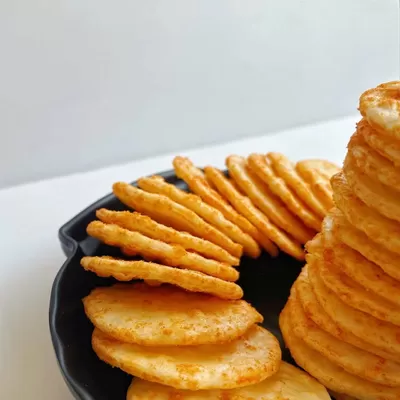
Vacuum frying technology has revolutionized the food processing industry by offering a superior alternative to conventional frying methods. This innovative technique operates under reduced atmospheric pressure, allowing foods to be fried at significantly lower temperatures while maintaining exceptional quality and nutritional value. Vacuum fried products represent the pinnacle of modern food processing, delivering enhanced flavor profiles, extended shelf life, and superior texture characteristics that traditional frying methods simply cannot achieve. Understanding the technical specifications that define quality in vacuum fried products is crucial for manufacturers, distributors, and consumers seeking premium food products.
Temperature control stands as the most critical parameter in producing high-quality vacuum fried products. Unlike conventional frying that typically operates at temperatures between 160-180°C, vacuum frying systems maintain temperatures between 85-120°C depending on the specific product requirements. Fruits generally require lower processing temperatures ranging from 85-95°C to preserve their delicate cellular structure and natural sugars. Vegetables, being more robust in composition, can withstand slightly higher temperatures of 95-110°C while maintaining their nutritional integrity and vibrant colors.
The precision of temperature control directly impacts the final quality of vacuum fried products. Temperature fluctuations exceeding ±2°C can result in uneven moisture removal, leading to inconsistent texture and potential quality degradation. Advanced vacuum frying systems incorporate sophisticated PID controllers and multiple temperature sensors to ensure uniform heat distribution throughout the processing chamber. This technological precision enables manufacturers to achieve consistent product quality batch after batch, meeting the stringent standards required for premium vacuum fried products.
Efficient heat transfer mechanisms are essential for producing superior vacuum fried products that meet industry quality standards. The reduced pressure environment in vacuum frying creates unique heat transfer conditions that must be carefully managed. Conductive heat transfer from heated surfaces becomes the primary mechanism, requiring precise engineering of contact surfaces and thermal conductivity optimization. The heat transfer coefficient in vacuum frying systems typically ranges between 200-400 W/m²K, significantly lower than conventional frying but perfectly suited for gentle processing of delicate food materials.
Product quality in vacuum fried products is directly correlated with heat transfer uniformity and consistency. Uneven heat distribution can create hot spots that lead to localized overcooking or burning, while insufficient heat transfer results in incomplete moisture removal and compromised shelf stability. Modern vacuum frying equipment incorporates advanced heat exchanger designs, including finned surfaces and optimized flow patterns, to maximize heat transfer efficiency while maintaining gentle processing conditions that preserve the inherent qualities of the raw materials.
The vacuum level maintained during processing fundamentally determines the quality characteristics of vacuum fried products. Optimal vacuum levels typically range between 50-100 mbar absolute pressure, representing a significant reduction from atmospheric conditions. This reduced pressure environment lowers the boiling point of water within the food matrix, enabling moisture removal at much lower temperatures. The precise vacuum level required varies based on product type, with delicate fruits often requiring deeper vacuum conditions around 50-70 mbar, while more robust vegetables can be processed effectively at 70-100 mbar.
Maintaining consistent vacuum levels throughout the frying process is crucial for producing uniform vacuum fried products. Pressure fluctuations can cause irregular boiling patterns, leading to uneven texture development and potential structural damage to the product. Advanced vacuum systems incorporate multiple-stage vacuum pumps, vacuum controllers, and pressure monitoring systems to maintain stable operating conditions. The vacuum system's capacity must be appropriately sized to handle the vapor load generated during processing while maintaining the target pressure levels consistently.
Effective vapor removal systems are integral to producing high-quality vacuum fried products with optimal texture and shelf stability. The moisture removed during vacuum frying must be efficiently captured and condensed to prevent system contamination and maintain vacuum integrity. Condensation systems typically operate at temperatures between -10°C to -20°C, ensuring complete vapor capture and preventing moisture recontamination of the processed products. The condensation capacity must be precisely matched to the vapor generation rate to maintain optimal processing conditions.
Modern vapor removal systems incorporate multi-stage condensation processes that enhance efficiency and reduce energy consumption. Primary condensers capture the majority of water vapor, while secondary condensers ensure complete vapor removal and system cleanliness. The design and performance of these systems directly impact the final quality of vacuum fried products by controlling moisture levels and preventing off-flavor development that can occur from trapped vapors or incomplete condensation processes.
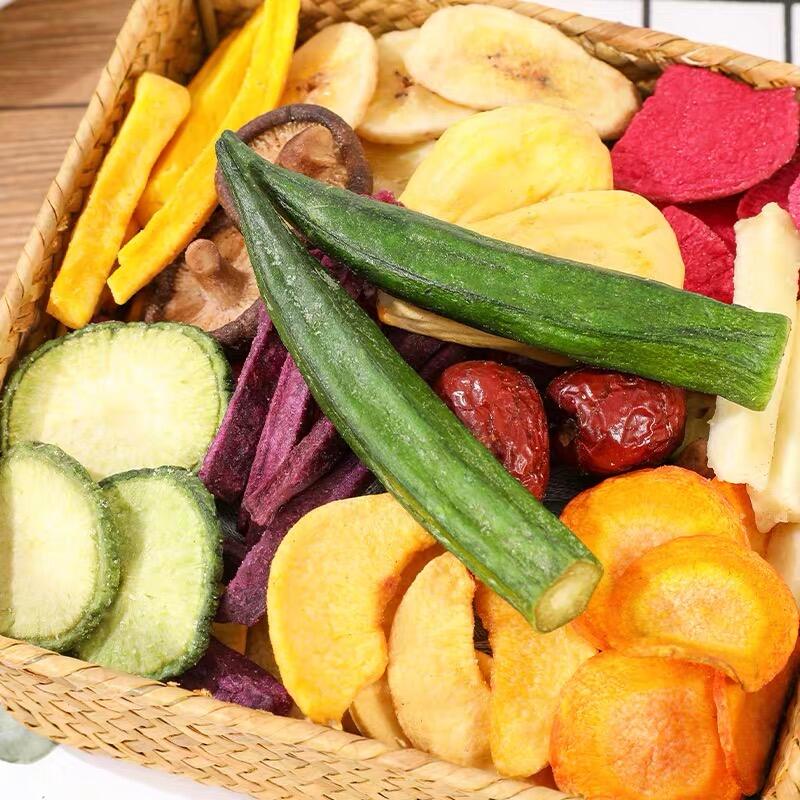
The selection and management of frying oil significantly influence the quality and characteristics of vacuum fried products. High-quality vacuum frying operations typically utilize oils with high smoke points and excellent thermal stability, such as refined sunflower oil, rice bran oil, or specialized high-oleic oils. These oils maintain their chemical structure and nutritional properties under the unique conditions of vacuum frying, ensuring that the final products retain optimal flavor profiles and nutritional benefits. The oil selection process must consider factors including oxidative stability, flavor neutrality, and compatibility with specific product requirements.
Oil quality parameters must be continuously monitored and maintained to ensure consistent vacuum fried products that meet industry standards. Key parameters include acid value, peroxide value, moisture content, and color stability. Advanced oil management systems incorporate automated monitoring and filtration systems that maintain oil quality throughout extended production runs. Regular oil analysis and replacement schedules ensure that deteriorated oil does not compromise product quality or introduce unwanted flavors or odors into the vacuum fried products.
Precise oil temperature control and circulation systems are fundamental to producing superior vacuum fried products with consistent quality characteristics. Oil circulation rates typically range between 1.5-3 times the oil volume per minute, ensuring uniform temperature distribution and preventing hot spots that could damage delicate products. The circulation system design must account for the unique flow characteristics under vacuum conditions, where reduced pressure affects fluid dynamics and heat transfer patterns. Proper circulation ensures that all product surfaces receive consistent heat treatment, resulting in uniform moisture removal and texture development.
Temperature stratification within the oil bath can significantly impact product quality, making effective circulation systems essential for quality vacuum fried products. Advanced systems incorporate multiple circulation pumps, strategically positioned heating elements, and sophisticated flow control mechanisms to achieve optimal temperature uniformity. The circulation system design must also accommodate the continuous loading and unloading of products while maintaining stable thermal conditions throughout the processing cycle.
Achieving optimal moisture content is critical for producing high-quality vacuum fried products with extended shelf life and desirable texture characteristics. Target moisture levels vary significantly based on product type, with fruit-based vacuum fried products typically requiring final moisture contents between 2-4%, while vegetable products may target 3-6% depending on their natural composition and intended application. These moisture specifications ensure proper crispiness, prevent microbial growth, and maintain product stability during storage and distribution. Precise moisture control distinguishes premium vacuum fried products from inferior alternatives that may suffer from texture defects or shortened shelf life.
The moisture removal process in vacuum frying follows predictable kinetics that can be precisely controlled through process parameter optimization. Initial moisture removal occurs rapidly as surface moisture evaporates, followed by a slower internal moisture migration phase that requires careful time and temperature management. Understanding these moisture removal phases enables manufacturers to develop optimal processing schedules that achieve target moisture levels while minimizing processing time and energy consumption. Quality vacuum fried products require consistent moisture distribution throughout the product matrix to ensure uniform texture and stability characteristics.
Advanced moisture monitoring systems are essential for producing consistent vacuum fried products that meet stringent quality specifications. Near-infrared spectroscopy, microwave resonance, and capacitance-based sensors provide real-time moisture content measurements that enable precise process control and quality assurance. These monitoring technologies allow operators to adjust processing parameters dynamically, ensuring that each batch of vacuum fried products achieves the target moisture specifications. Real-time monitoring also enables early detection of process deviations that could compromise product quality or batch consistency.
Integration of moisture monitoring systems with automated process control enables optimization of vacuum fried products production while maintaining consistent quality standards. Advanced systems can automatically adjust processing time, temperature, and vacuum levels based on real-time moisture measurements, ensuring optimal product quality while minimizing operator intervention. This technological integration is particularly important for large-scale production operations where maintaining consistent quality across multiple batches and production lines is essential for commercial success and customer satisfaction.
The unique processing conditions in vacuum frying enable exceptional preservation of cellular structure, resulting in vacuum fried products with superior texture and appearance compared to conventionally fried alternatives. The reduced pressure environment minimizes thermal stress on cellular walls, allowing moisture removal through gentle evaporation rather than violent boiling that can damage delicate structures. This preservation of cellular integrity results in products with enhanced crunchiness, better shape retention, and more appealing visual characteristics that consumers associate with premium quality.
Microscopic analysis of vacuum fried products reveals well-preserved cellular matrices with minimal structural collapse or distortion. The gentle processing conditions maintain the natural pore structure of fruits and vegetables, creating products with excellent rehydration properties and enhanced flavor release characteristics. This structural preservation also contributes to improved nutritional retention, as vitamins and minerals remain trapped within intact cellular compartments rather than being leached out through damaged cell walls. Quality vacuum fried products demonstrate consistent cellular structure across batches, indicating proper process control and optimal equipment performance.
Objective texture measurement is crucial for ensuring consistent quality in vacuum fried products and meeting consumer expectations for premium food products. Instrumental texture analysis using penetrometers, texture analyzers, and compression testing equipment provides quantitative data on crispiness, hardness, and fracture characteristics. These measurements enable manufacturers to establish quality specifications and monitor process consistency over time. Typical texture parameters for quality vacuum fried products include maximum force values between 15-35 N for initial bite and specific acoustic properties that correlate with consumer perception of crispiness.
Texture quality in vacuum fried products is influenced by multiple processing parameters including temperature, time, pressure, and raw material characteristics. Statistical process control methods incorporating texture measurements enable continuous quality improvement and early detection of process deviations. Advanced quality systems integrate texture analysis with other quality parameters to provide comprehensive product evaluation and ensure that vacuum fried products consistently meet or exceed customer expectations for premium processed foods.
One of the most significant advantages of vacuum frying technology is its exceptional ability to preserve nutritional content, making vacuum fried products superior to conventionally processed alternatives. The low-temperature processing conditions minimize thermal degradation of heat-sensitive vitamins, particularly vitamin C, thiamine, and folate, which are often significantly reduced in conventional frying processes. Studies demonstrate that vacuum fried products can retain up to 85-95% of their original vitamin content compared to 40-60% retention in conventional frying, representing a substantial nutritional advantage for health-conscious consumers.
Mineral preservation in vacuum fried products is equally impressive, with essential minerals like potassium, magnesium, and iron showing minimal losses during processing. The reduced exposure to high temperatures and shortened processing times prevent mineral leaching and chemical alterations that commonly occur in traditional processing methods. This nutritional superiority makes vacuum fried products particularly attractive for premium health food markets and applications where nutritional density is a key selling point. Quality manufacturers incorporate nutritional analysis into their quality control protocols to ensure consistent nutritional benefits across production batches.
The gentle processing conditions in vacuum frying enable exceptional retention of natural antioxidants and beneficial phytochemicals, distinguishing quality vacuum fried products from conventionally processed alternatives. Compounds such as anthocyanins, carotenoids, and phenolic compounds that contribute to both nutritional value and natural coloration are preserved at significantly higher levels. This preservation of bioactive compounds not only enhances the nutritional profile but also contributes to the vibrant colors and enhanced flavor characteristics that consumers associate with premium quality products.
Research indicates that vacuum fried products can retain up to 80-90% of their original antioxidant activity compared to substantial losses in conventional processing methods. This preservation of functional compounds makes vacuum fried products particularly suitable for health food applications and markets where functional benefits are highly valued. Advanced quality control systems monitor antioxidant levels and phytochemical content to ensure consistent delivery of these beneficial compounds to consumers, supporting marketing claims and justifying premium pricing for superior vacuum fried products.
Optimal vacuum frying temperatures vary by product type, with fruits typically processed at 85-95°C and vegetables at 95-110°C. These lower temperatures compared to conventional frying preserve nutritional content and prevent thermal damage while achieving proper moisture removal. The reduced pressure environment allows effective processing at these lower temperatures, making vacuum fried products superior in quality and nutrition retention.
Vacuum levels between 50-100 mbar absolute pressure are optimal for most vacuum fried products. Lower pressures enable moisture removal at reduced temperatures, preserving cellular structure and nutritional content. Consistent vacuum maintenance is crucial for uniform product quality, as pressure fluctuations can cause uneven texture development and compromise the superior characteristics that define quality vacuum fried products.
Target moisture content for vacuum fried products ranges from 2-6% depending on the product type. Fruit-based products typically target 2-4% moisture, while vegetable products may range from 3-6%. Achieving these precise moisture levels ensures optimal crispiness, extended shelf life, and prevents microbial growth while maintaining the superior texture and quality characteristics consumers expect from premium vacuum fried products.
Oil quality significantly impacts vacuum fried products quality, requiring high smoke point oils with excellent thermal stability such as sunflower or rice bran oil. Continuous monitoring of acid value, peroxide value, and moisture content ensures consistent product quality. Proper oil management and regular replacement prevent flavor degradation and maintain the superior taste and nutritional characteristics that distinguish quality vacuum fried products from inferior alternatives.

 EN
EN

 Hot News