The global snack food market continues to expand at an unprecedented rate, with health-conscious consumers increasingly seeking nutritious alternatives to traditional processed snacks. Among the emerging stars in this category, spicy green peas have captured significant market attention due to their unique combination of plant-based protein, fiber content, and bold flavoring profiles. For suppliers looking to enter or expand their presence in the commercial snack market, understanding the nuances of spicy green peas distribution can unlock substantial revenue opportunities across retail chains, food service establishments, and specialty distributors.
Commercial buyers today operate in an increasingly competitive landscape where product differentiation, consistent quality, and reliable supply chains determine purchasing decisions. The rise of spicy green peas as a premium snack category reflects broader consumer trends toward plant-based nutrition, sustainable protein sources, and international flavor profiles. Successful suppliers must navigate complex procurement processes, meet stringent quality standards, and demonstrate clear value propositions to secure lucrative commercial contracts.
Commercial buyers of spicy green peas typically require comprehensive quality assurance documentation before establishing supply relationships. Food safety certifications such as HACCP, BRC, and SQF form the foundation of acceptable supplier credentials, while organic certifications can command premium pricing in specific market segments. Quality control protocols must demonstrate consistent moisture content, uniform coating application, and standardized spice intensity levels across production batches.
Nutritional labeling accuracy remains paramount for commercial buyers, particularly when dealing with health-focused retail chains or institutional food service providers. Spicy green peas must meet declared protein content standards, typically ranging from 20-25% per serving, while maintaining controlled sodium levels to appeal to health-conscious consumer segments. Allergen management protocols become especially critical when processing facilities handle multiple product lines, requiring clear documentation of potential cross-contamination risks.
Large-scale commercial buyers prioritize suppliers who can guarantee consistent volume delivery schedules throughout seasonal fluctuations. Spicy green peas production must account for raw material availability, processing capacity, and inventory management systems capable of supporting minimum order quantities often exceeding 10,000 pounds per shipment. Establishing relationships with multiple green pea suppliers helps mitigate supply chain disruptions while maintaining competitive pricing structures.
Seasonal demand patterns for spicy green peas typically peak during fall and winter months, aligning with increased snacking behaviors and holiday promotional periods. Commercial buyers often require suppliers to demonstrate inventory management capabilities that can accommodate order fluctuations ranging from 150% of baseline demand during peak seasons. Production planning must incorporate lead times for specialty spice blends, packaging materials, and quality testing procedures to ensure delivery commitments remain achievable.
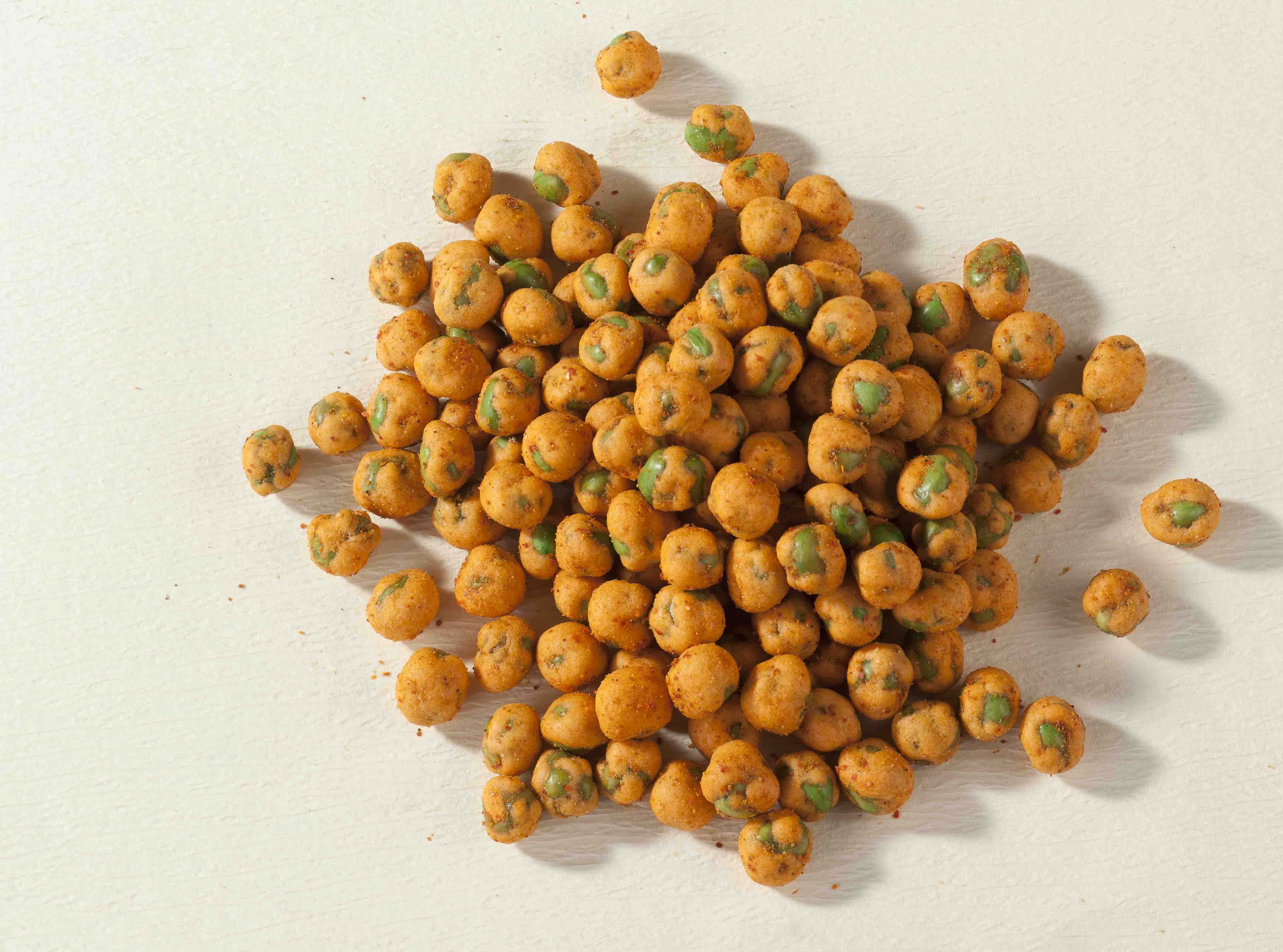
Successful spicy green peas suppliers invest significantly in market research to identify emerging flavor trends and consumer preferences across different demographic segments. Heat level preferences vary considerably between regional markets, with southwestern United States consumers typically accepting higher Scoville ratings compared to northeastern markets. Flavor profiles incorporating global cuisines such as sriracha, curry, wasabi, and chipotle demonstrate strong growth potential in premium snack categories.
Consumer testing protocols for spicy green peas should incorporate diverse demographic groups to ensure broad market appeal while maintaining authentic flavor profiles. Focus groups reveal that texture consistency often influences repeat purchase decisions more than initial flavor impact, highlighting the importance of optimal roasting techniques and coating adhesion methods. Seasonal flavor variations, such as limited-edition holiday spice blends, create opportunities for premium pricing and increased retailer interest.
Commercial buyers evaluate spicy green peas packaging based on shelf stability, visual appeal, and functional convenience factors. Barrier film properties must protect against moisture infiltration and oil oxidation while maintaining optimal product texture throughout extended shelf life periods. Resealable packaging options command premium pricing in convenience store and office vending machine channels, while bulk packaging formats appeal to food service operators seeking portion control flexibility.
Brand positioning elements on spicy green peas packaging significantly influence commercial buyer purchasing decisions, particularly when competing for limited shelf space in retail environments. Clear nutrition facts panels, ingredient transparency, and sustainability messaging resonate strongly with millennial and Generation Z consumer demographics. Private label opportunities often provide higher margin potential for suppliers willing to customize packaging designs according to buyer specifications.
Establishing comprehensive distributor networks requires careful evaluation of regional market coverage, existing product portfolios, and sales team expertise in the specialty snack category. Spicy green peas distribution partners should demonstrate experience with temperature-sensitive products and possess adequate cold storage facilities to maintain product quality during transit periods. Territory exclusivity agreements must balance distributor incentives with supplier flexibility to serve large national accounts directly.
Training distributor sales teams on spicy green peas product benefits, target customer profiles, and competitive differentiation points significantly impacts market penetration success rates. Comprehensive product education programs should cover nutritional advantages, preparation methods, and merchandising best practices to maximize retailer adoption. Joint promotional activities with distributors, including trade show participation and customer demonstrations, strengthen partnership relationships while expanding market visibility.
Large commercial buyers often prefer direct supplier relationships for spicy green peas to ensure consistent communication, customized product development, and competitive pricing structures. Account management protocols must accommodate complex decision-making processes involving procurement, quality assurance, marketing, and operations teams within buyer organizations. Regular business reviews should demonstrate value delivery through cost savings, quality improvements, and market share growth metrics.
Contract negotiations for spicy green peas supply agreements typically address pricing mechanisms, quality specifications, delivery schedules, and performance penalties for non-compliance issues. Volume commitment structures may include tiered pricing incentives encouraging buyer loyalty while protecting supplier margins during raw material cost fluctuations. Force majeure clauses become particularly important given the agricultural nature of green pea production and potential weather-related supply disruptions.
Optimizing spicy green peas manufacturing processes requires careful attention to roasting parameters, seasoning application techniques, and final product consistency metrics. Temperature control systems must maintain precise heat distribution to ensure uniform texture development while preventing overcooking that compromises nutritional content. Automated seasoning application equipment reduces variability in spice coating coverage while improving production efficiency and reducing labor costs.
Statistical process control methods help identify quality variations in spicy green peas production before they impact finished product specifications. Critical control points include moisture content testing, seasoning weight verification, and sensory evaluation protocols ensuring flavor consistency across production runs. Documentation requirements for commercial buyers often exceed basic food safety standards, requiring detailed batch records, ingredient traceability, and corrective action procedures.
Commercial buyers increasingly demand complete supply chain transparency for spicy green peas, including farming practices, processing facility locations, and ingredient sourcing documentation. Traceability systems must track individual product lots from field harvest through final packaging, enabling rapid response to potential quality issues or recall situations. Supplier audits of upstream vendors ensure compliance with environmental standards and social responsibility requirements important to many commercial buyers.
Sustainability reporting has become a key differentiator in spicy green peas supplier selection, with buyers evaluating carbon footprint reduction initiatives, water usage efficiency, and packaging material recyclability. Certifications such as Rainforest Alliance or Fair Trade can command premium pricing while supporting corporate social responsibility objectives of major commercial buyers. Annual sustainability reports demonstrate ongoing commitment to environmental stewardship while providing competitive advantages during procurement processes.
Developing competitive pricing strategies for spicy green peas requires comprehensive understanding of cost components including raw materials, processing expenses, packaging costs, and distribution margins. Green pea commodity pricing fluctuates based on weather conditions, global supply levels, and competing demand from other food applications. Specialty spice ingredients often represent the highest cost variability, particularly for authentic international flavor profiles requiring imported seasonings.
Value-based pricing approaches for spicy green peas focus on nutritional benefits, convenience factors, and taste differentiation rather than competing solely on cost per pound metrics. Premium positioning strategies emphasize protein content, organic certifications, and artisanal production methods to justify higher price points with health-conscious consumer segments. Volume-based pricing tiers encourage larger order commitments while maintaining profitability across different commercial buyer categories.
Market positioning for spicy green peas must differentiate from established snack categories including nuts, seeds, and traditional processed snacks through clear value proposition communication. Competitive analysis should evaluate pricing, packaging sizes, distribution channels, and marketing approaches used by alternative protein snack suppliers. Unique selling propositions might emphasize lower sodium content, higher fiber levels, or proprietary spice blend formulations unavailable from competitors.
Brand development strategies for spicy green peas should consider whether to pursue premium artisanal positioning or mainstream accessibility depending on target commercial buyer segments. Private label opportunities often provide stable volume commitments while requiring competitive pricing structures and flexible manufacturing capabilities. Co-packing arrangements can reduce capital investment requirements while accessing established distribution networks and buyer relationships.
Participating in relevant food industry trade shows provides essential exposure for spicy green peas suppliers seeking to establish credibility with commercial buyers. Events such as Natural Products Expo, Fancy Food Show, and regional food broker exhibitions offer networking opportunities with decision-makers from retail chains, food service companies, and specialty distributors. Professional booth presentations should include product sampling, nutritional information displays, and packaging design examples to facilitate meaningful buyer conversations.
Trade show follow-up protocols significantly impact conversion rates from initial contact to purchase order generation for spicy green peas suppliers. Comprehensive lead tracking systems should capture buyer requirements, timing expectations, and decision-making processes to enable customized proposal development. Sample programs allowing commercial buyers to evaluate products in their target markets provide valuable feedback while demonstrating supplier confidence in product quality and market acceptance.
Digital marketing strategies for spicy green peas suppliers should target commercial buyers through industry publications, social media platforms, and search engine optimization focused on relevant keywords. Content marketing approaches might include nutritional comparison studies, recipe development partnerships, and sustainability impact reports appealing to buyer corporate responsibility initiatives. LinkedIn advertising campaigns can effectively reach procurement professionals and category managers within target commercial buyer organizations.
Website optimization for spicy green peas suppliers must accommodate mobile browsing preferences while providing comprehensive product information, specification sheets, and contact mechanisms for commercial inquiries. Online ordering systems or quote request portals streamline the purchasing process for smaller commercial buyers while capturing valuable market intelligence about demand patterns and pricing sensitivity. Email marketing campaigns featuring seasonal promotions, new product introductions, and industry insights maintain buyer engagement between active procurement cycles.
Commercial buyers typically require minimum order quantities ranging from 5,000 to 25,000 pounds depending on the buyer size and distribution scope. Large retail chains often establish minimum orders of 10,000-15,000 pounds per SKU to justify warehouse space allocation and transportation costs. Smaller specialty distributors may accept lower minimums of 2,500-5,000 pounds but usually require higher per-unit pricing to maintain profitability. Food service buyers generally order in smaller quantities but with higher frequency, often requesting monthly deliveries of 1,000-5,000 pounds based on consumption patterns.
Organic certifications for spicy green peas command premium pricing of 15-30% above conventional products, particularly with natural food retailers and health-focused food service operators. While organic represents approximately 10-15% of total commercial snack purchases, this segment demonstrates higher growth rates and increased buyer loyalty. Many large commercial buyers maintain separate organic product lines requiring dedicated supply chains and enhanced documentation protocols. The certification investment typically pays back within 18-24 months for suppliers targeting premium market segments where consumers willingly pay higher prices for perceived health and environmental benefits.
Retail buyers prefer consumer-ready packaging in 4-8 ounce resealable bags optimized for shelf display and impulse purchasing decisions. Food service operators typically require bulk packaging in 5-10 pound containers allowing portion control flexibility and cost efficiency in high-volume applications. Vending machine operators prefer individual serving sizes ranging from 1-2 ounces with extended shelf life capabilities and durable packaging resistant to handling damage. Private label buyers often specify custom packaging sizes and designs aligned with their brand positioning and target demographic preferences, requiring flexible manufacturing capabilities from suppliers.
Maintaining consistent spice heat levels in spicy green peas requires standardized Scoville testing protocols and careful ingredient batch management procedures. Suppliers should establish acceptable heat level ranges rather than exact specifications to accommodate natural variations in spice potency based on growing conditions and storage time. Blending techniques using multiple spice sources help achieve more consistent results while reducing dependency on single ingredient suppliers. Regular sensory panel evaluations complement analytical testing methods to ensure products meet consumer expectations for heat intensity and flavor balance across different production runs throughout the year.

 EN
EN


 Hot News