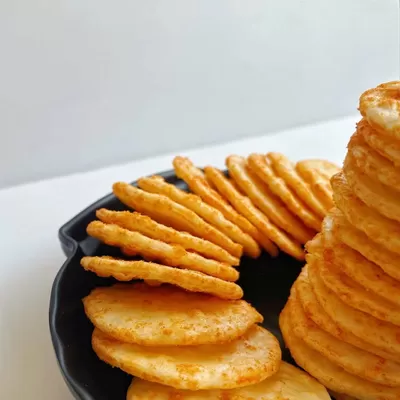
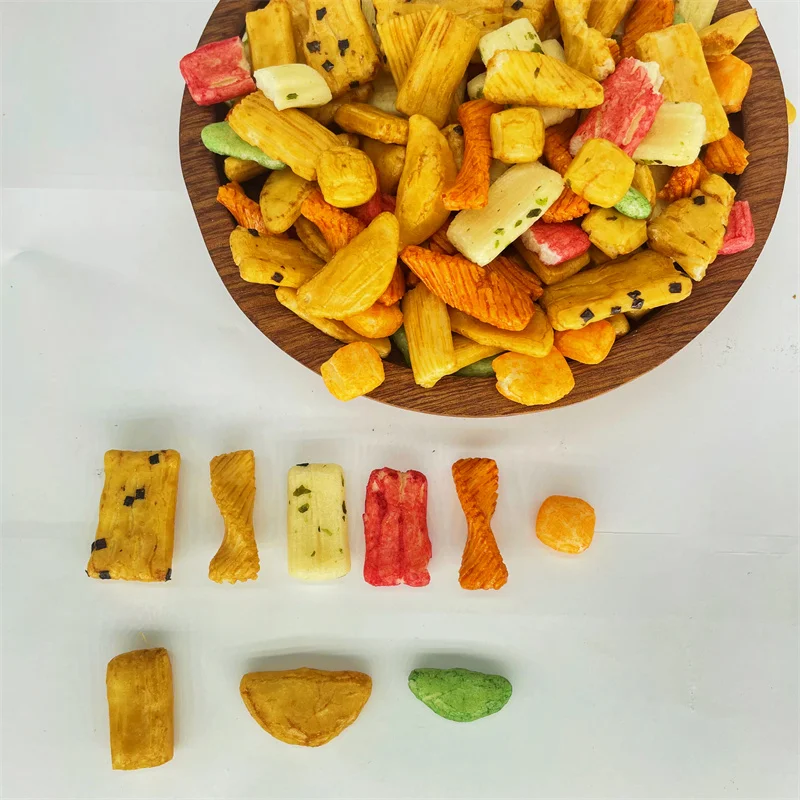
The global snack food market continues to expand rapidly, with health-conscious consumers increasingly seeking alternatives to traditional processed snacks. Among the most sought-after options are senbei rice crackers, a traditional Japanese snack that has gained tremendous popularity worldwide due to their unique flavor profiles, crispy texture, and perceived health benefits. For distributors, retailers, and food service operators considering bulk purchases, senbei rice crackers represent an exceptional opportunity to capitalize on growing consumer demand while offering a product that appeals to diverse demographic segments.
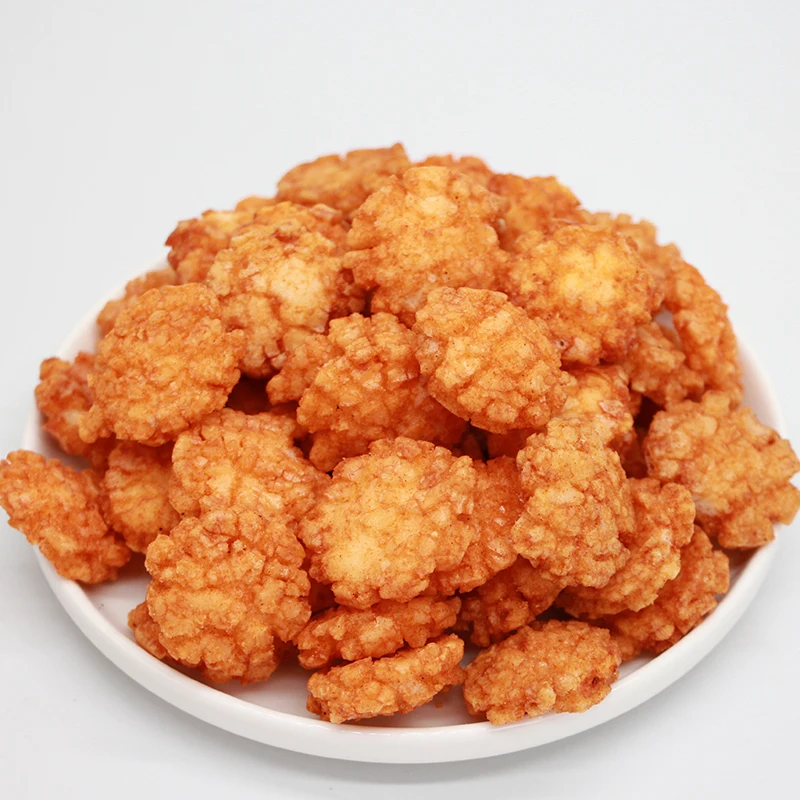
The decision to incorporate these traditional Asian snacks into bulk purchasing strategies requires careful consideration of market trends, consumer preferences, and supply chain dynamics. Bulk buyers who understand the unique positioning of senbei rice crackers within the broader snack category can leverage their distinctive characteristics to create competitive advantages in their respective markets. This comprehensive analysis explores the multifaceted benefits that make these rice-based snacks an intelligent choice for bulk procurement strategies.
Contemporary consumers demonstrate unprecedented interest in snack options that align with health and wellness goals. Senbei rice crackers naturally appeal to this demographic because they are typically lower in fat compared to potato chips and other fried snacks. Many varieties contain no artificial preservatives or excessive sodium, making them attractive to parents seeking healthier options for their children and health-conscious adults looking for guilt-free snacking alternatives.
The clean ingredient profiles found in quality senbei rice crackers resonate strongly with consumers who scrutinize food labels. Rice-based snacks often feature simple ingredient lists, with rice flour, seasonings, and minimal additives forming the foundation of most recipes. This transparency appeals to the growing segment of consumers who prefer products with recognizable ingredients and avoid complex chemical formulations commonly found in conventional snack foods.
The increasing cultural diversity in many markets has created demand for authentic international snack experiences. Consumers actively seek products that offer new flavor profiles and textures, moving beyond traditional Western snack categories. Senbei rice crackers provide an authentic taste of Japanese culinary tradition while remaining accessible to Western palates through familiar savory and sweet flavor combinations.
Food service establishments and retailers benefit from offering products that tell a cultural story and provide experiential value beyond basic nutrition. The traditional craftsmanship associated with senbei production creates opportunities for marketing narratives that emphasize authenticity, heritage, and artisanal quality. These storytelling elements add perceived value that can justify premium pricing and build customer loyalty.
Bulk purchasing of senbei rice crackers typically offers significant cost advantages compared to smaller quantity orders. Manufacturers and distributors provide volume discounts that can substantially improve profit margins for retailers and food service operators. The shelf-stable nature of these products allows for larger inventory purchases without concerns about rapid spoilage, enabling buyers to capitalize on bulk pricing opportunities.
The premium positioning of senbei rice crackers in many markets supports healthy profit margins even when purchased at volume discounts. Consumers often perceive rice-based snacks as specialty or gourmet products, allowing retailers to maintain pricing that reflects this premium positioning while still offering competitive value compared to imported specialty snacks purchased through traditional distribution channels.
The extended shelf life characteristic of properly packaged senbei rice crackers makes them ideal candidates for bulk inventory strategies. Most varieties maintain quality for six to twelve months when stored in appropriate conditions, providing flexibility in inventory turnover planning. This extended shelf life reduces the risk of inventory write-offs due to expiration, a common concern with perishable snack categories.
Bulk purchasing also enables more predictable supply chain management, reducing the frequency of reorder cycles and associated administrative costs. Establishing relationships with reliable suppliers for large-volume orders often results in priority treatment during supply chain disruptions and access to new product varieties before they become widely available through standard distribution channels.
Restaurant operators and institutional food service providers find numerous applications for senbei rice crackers beyond traditional snacking scenarios. These versatile products work effectively as appetizer components, soup garnishes, or textural elements in salads and grain bowls. The neutral flavor profiles of many varieties allow for creative culinary applications that enhance menu offerings without overwhelming other ingredients.
Catering operations particularly benefit from incorporating senbei rice crackers into their offerings because they provide gluten-free options that appeal to clients with dietary restrictions. The ability to offer inclusive menu items that accommodate various dietary needs has become increasingly important in commercial food service, and rice-based snacks naturally address several common allergen concerns while maintaining broad appeal.
Retail environments benefit from the merchandising flexibility that senbei rice crackers provide. These products perform well in multiple store sections, including international aisles, health food sections, and traditional snack categories. This cross-category appeal allows retailers to experiment with placement strategies to optimize sales velocity and discover the most effective positioning for their specific customer base.
The attractive packaging typically associated with quality senbei rice crackers enhances visual merchandising opportunities. Many varieties feature distinctive Japanese-inspired graphics and premium packaging materials that create strong shelf presence and communicate quality positioning to consumers. This visual appeal supports impulse purchasing behavior and helps differentiate the category from commodity snack products.
Establishing direct relationships with senbei rice cracker manufacturers through bulk purchasing creates opportunities for customization and exclusive product development. Many suppliers offer private labeling services for large-volume buyers, enabling retailers to develop unique product lines that differentiate their offerings from competitors while maintaining cost-effective sourcing.
Long-term bulk purchasing agreements often provide access to technical support and market intelligence from suppliers who possess deep category expertise. This collaborative relationship can inform product selection decisions, seasonal planning, and market expansion strategies while ensuring consistent product quality and availability throughout contractual periods.
Working directly with established manufacturers for bulk orders typically results in superior quality control compared to purchasing through multiple intermediary distributors. Direct relationships enable better communication regarding product specifications, packaging requirements, and delivery schedules while providing clearer accountability for quality issues when they arise.
Bulk purchasing also allows for more comprehensive quality testing and sampling procedures before committing to large inventory positions. Buyers can evaluate multiple production lots, assess consistency across different manufacturing dates, and establish quality benchmarks that protect their brand reputation and customer satisfaction levels.
The natural health positioning of senbei rice crackers provides numerous marketing advantages for bulk buyers looking to capitalize on wellness trends. Rice-based snacks typically contain fewer artificial ingredients than conventional alternatives, making them attractive to consumers seeking cleaner eating options. Marketing campaigns can emphasize attributes such as being baked rather than fried, containing whole grains, and offering portion-controlled serving sizes.
Nutritional messaging opportunities include highlighting the absence of common allergens, reduced sodium content compared to many conventional snacks, and the presence of complex carbohydrates that provide sustained energy. These health-focused positioning strategies resonate particularly well with parents, fitness enthusiasts, and health-conscious consumers who represent growing market segments with strong purchasing power.
The authentic Japanese heritage associated with senbei rice crackers creates opportunities for premium positioning and cultural storytelling in marketing efforts. Consumers increasingly value authentic international food experiences, and products that can credibly claim traditional preparation methods and cultural significance command premium pricing and customer loyalty.
Educational marketing approaches that inform consumers about the traditional preparation methods, regional variations, and cultural significance of senbei rice crackers can create deeper emotional connections with products beyond simple taste preferences. This educational component adds value that extends beyond immediate consumption and encourages repeat purchasing behavior.
Most high-quality senbei rice crackers maintain optimal freshness for six to twelve months when stored in cool, dry conditions away from direct sunlight. Proper packaging with moisture barriers and airtight sealing helps preserve texture and flavor throughout this period. Bulk buyers should verify specific shelf life information with suppliers and implement first-in-first-out inventory rotation to ensure consistent product quality.
Senbei rice crackers typically contain fewer calories and less fat per serving compared to potato chips and other fried snacks. They often provide complex carbohydrates and may contain less sodium than many conventional snack foods. However, nutritional profiles vary significantly between different varieties and preparation methods, so bulk buyers should review specific product information to make accurate comparisons and support marketing claims.
Minimum order quantities vary considerably depending on the supplier and specific product lines, typically ranging from several cases to full pallet quantities. Many manufacturers offer tiered pricing structures with greater discounts for larger volume commitments. Buyers should discuss their anticipated volume requirements with potential suppliers to negotiate optimal pricing and terms that align with their inventory capacity and cash flow requirements.
Demand for senbei rice crackers often increases during holiday seasons, particularly around Asian cultural celebrations and health-focused periods like New Year resolutions. Back-to-school seasons may also drive increased demand as parents seek healthier lunch and snack options. Bulk buyers should consider these seasonal patterns when planning inventory levels and may benefit from adjusting order timing to capitalize on predictable demand fluctuations.

 EN
EN

 Hot News