Building a successful supply chain for marrowfat green peas requires strategic planning, careful vendor selection, and robust quality control measures. These premium legumes have become increasingly popular in global markets due to their superior texture, nutritional benefits, and versatility in food processing applications. Companies seeking to establish reliable sourcing networks must understand the unique characteristics of marrowfat green peas and implement comprehensive supply chain management strategies that ensure consistent quality, timely delivery, and cost-effectiveness throughout the procurement process.
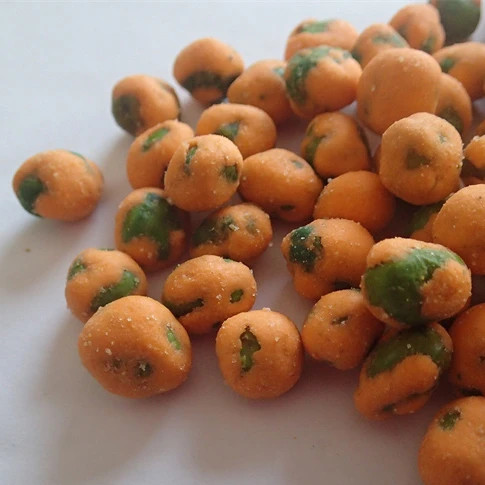
Marrowfat green peas cultivation follows distinct seasonal patterns across major producing regions, with harvest times varying significantly between Northern and Southern Hemisphere countries. Primary production zones include the United Kingdom, Canada, Australia, and parts of Northern Europe, where cool climates provide optimal growing conditions for these specialty peas. Understanding these geographical and temporal variations enables supply chain managers to develop sourcing strategies that maintain year-round availability while minimizing cost fluctuations associated with seasonal demand spikes.
The maturation process for marrowfat green peas differs substantially from standard garden peas, as these varieties are allowed to dry naturally in the field before harvesting. This extended growing cycle creates specific timing constraints that impact supply chain planning, particularly when coordinating with processing facilities and meeting customer delivery schedules. Successful procurement strategies must account for weather-related risks, crop yield variations, and the extended lead times required for proper field drying and quality assessment.
Establishing comprehensive quality standards represents a critical foundation for any marrowfat green peas supply chain operation. Industry-standard grading systems evaluate factors including moisture content, protein levels, color consistency, and freedom from defects such as splits, discoloration, or foreign material contamination. These specifications directly impact processing efficiency, final product quality, and customer satisfaction levels across various applications from snack food manufacturing to traditional culinary preparations.
Quality assessment protocols must include both visual inspection procedures and laboratory testing for nutritional content, pesticide residues, and microbiological safety parameters. Implementing rigorous incoming inspection processes helps identify potential issues before products enter the processing pipeline, reducing waste, maintaining brand reputation, and ensuring compliance with food safety regulations. Regular supplier audits and quality certification programs further strengthen quality assurance frameworks while building long-term partnerships with reliable producers.
Effective supplier evaluation encompasses multiple criteria beyond basic price considerations, including production capacity, quality systems, geographic location, and financial stability. Prospective suppliers should demonstrate consistent track records in marrowfat green peas cultivation, processing capabilities aligned with specific requirements, and certifications relevant to target markets such as organic, non-GMO, or sustainability standards. Site visits and detailed capability assessments provide valuable insights into operational practices, storage facilities, and overall reliability factors.
Due diligence processes must examine supplier risk profiles, including exposure to weather-related disruptions, political instability, currency fluctuations, and regulatory changes that could impact supply continuity. Diversification strategies involving multiple suppliers across different geographic regions help mitigate concentration risks while providing flexibility to optimize costs and manage seasonal availability patterns. Long-term partnership approaches often yield better results than purely transactional relationships, enabling collaborative planning and continuous improvement initiatives.
Strategic contract negotiations should address pricing mechanisms, quality specifications, delivery schedules, and risk allocation between parties while maintaining flexibility to adapt to changing market conditions. Forward contracting arrangements can provide price stability and supply security for marrowfat green peas, particularly during periods of market volatility or supply shortages. However, these agreements must be carefully structured to avoid excessive commitment levels that could limit operational flexibility or create financial exposure during market downturns.
Risk management provisions should include force majeure clauses, quality dispute resolution procedures, and performance guarantees that protect both parties while encouraging collaborative problem-solving approaches. Regular contract reviews and performance assessments help identify opportunities for optimization while addressing emerging challenges before they impact supply chain operations. Establishing clear communication protocols and escalation procedures ensures rapid response to issues that could affect product quality, delivery schedules, or cost structures.
Marrowfat green peas require specific handling procedures to maintain quality during transportation and storage, including moisture control, temperature management, and protection from contamination sources. Bulk shipping arrangements often provide cost advantages for large-volume requirements, but proper container selection and loading procedures are essential to prevent damage during transit. Specialized equipment such as pneumatic conveying systems may be necessary for efficient loading and unloading operations while minimizing product degradation.
Storage facility design must accommodate the unique characteristics of dried peas, including proper ventilation systems, pest control measures, and inventory rotation procedures that prevent quality deterioration over time. Climate-controlled environments help maintain optimal moisture levels and prevent mold development, while automated handling systems can reduce labor costs and improve inventory accuracy. Strategic warehouse locations should consider proximity to major transportation hubs, customer concentrations, and processing facilities to minimize total logistics costs.
Effective inventory management for marrowfat green peas requires sophisticated forecasting models that account for seasonal demand patterns, production cycles, and customer order variability. Safety stock calculations must consider lead time variations, supply disruption risks, and the costs associated with stockouts versus carrying excess inventory. Advanced planning systems can optimize inventory levels across multiple locations while maintaining service level targets and minimizing total supply chain costs.
Demand planning accuracy depends on close collaboration with customers to understand their production schedules, promotional activities, and market expansion plans. Regular demand reviews and forecast updates help align supply chain capacity with expected requirements while identifying opportunities to improve customer service through enhanced delivery performance. Implementing vendor-managed inventory programs or collaborative planning initiatives can further optimize supply chain efficiency while strengthening customer relationships.
Comprehensive food safety programs must address all aspects of marrowfat green peas handling, from field production through final delivery to customers. Hazard analysis and critical control point systems help identify potential contamination sources and establish monitoring procedures to ensure product safety throughout the supply chain. Regular testing protocols should include pathogen screening, allergen verification, and chemical residue analysis to maintain compliance with applicable food safety regulations.
Regulatory compliance requirements vary significantly across different markets, necessitating detailed understanding of local standards, import procedures, and documentation requirements. Traceability systems must enable rapid identification and isolation of affected products in the event of quality issues or recall situations. Maintaining current certifications and audit records demonstrates commitment to food safety while facilitating market access and customer acceptance.
Establishing key performance indicators enables systematic monitoring of supply chain effectiveness across quality, cost, delivery, and service dimensions. Regular performance reviews with suppliers help identify improvement opportunities while recognizing exceptional performance that exceeds expectations. Data-driven analysis of quality trends, cost variations, and delivery performance provides insights for optimizing supply chain operations and strengthening competitive positioning.
Innovation initiatives may include exploring new processing technologies, developing alternative sourcing regions, or implementing sustainability programs that align with customer values and regulatory trends. Collaboration with research institutions, industry associations, and technology providers can accelerate improvement efforts while sharing costs and risks associated with new developments. Continuous learning approaches ensure supply chain capabilities evolve to meet changing market requirements and maintain competitive advantages.
Modern supply chain management relies increasingly on digital technologies that provide real-time visibility into inventory levels, shipment status, and quality parameters throughout the marrowfat green peas distribution network. Internet-of-things sensors can monitor temperature, humidity, and other environmental conditions during transportation and storage, enabling proactive intervention to prevent quality issues. Blockchain technology offers potential benefits for enhancing traceability and building consumer confidence in product authenticity and safety.
Integration platforms that connect suppliers, logistics providers, and customers through shared data systems improve coordination while reducing administrative overhead and error rates. Automated alert systems can notify relevant stakeholders of potential issues before they impact customer deliveries, enabling rapid response and problem resolution. Mobile applications and cloud-based dashboards provide convenient access to critical supply chain information for decision-makers regardless of their location.
Advanced analytics capabilities enable more sophisticated supply chain optimization through predictive modeling, scenario analysis, and automated decision-making algorithms. Machine learning applications can identify patterns in historical data that improve demand forecasting accuracy, optimize inventory allocation, and predict potential supply disruptions before they occur. These tools become particularly valuable when managing complex supply networks involving multiple suppliers, transportation modes, and customer requirements.
Artificial intelligence applications may include quality inspection automation, route optimization, and dynamic pricing algorithms that respond to changing market conditions. However, successful technology implementation requires careful change management, employee training, and integration with existing business processes. Organizations must balance the benefits of technological advancement with the costs and risks associated with system complexity and vendor dependencies.
The most important quality factors include moisture content typically between 14-16 percent, uniform color and size distribution, minimal split or damaged peas, and absence of foreign material or pest contamination. Protein content, which should generally exceed 20 percent, and proper field drying processes also significantly impact quality. Testing for pesticide residues, mycotoxins, and microbiological contaminants ensures food safety compliance and market acceptance.
Effective seasonal management strategies include developing supplier relationships across multiple geographic regions with different harvest seasons, implementing forward contracting arrangements to secure supply during peak demand periods, and maintaining strategic inventory reserves to bridge seasonal gaps. Alternative sourcing from Southern Hemisphere producers can provide counter-seasonal supply options, while flexible processing schedules help accommodate natural harvest timing variations.
Marrowfat green peas present specific logistics challenges including bulk handling requirements that necessitate specialized loading and unloading equipment, moisture control during transportation to prevent quality degradation, and careful container selection to avoid contamination or damage. The relatively low value-to-weight ratio requires efficient transportation routing to maintain cost competitiveness, while the need for pest control during storage adds complexity to warehouse management operations.
Sustainability factors are becoming increasingly important as customers and regulatory bodies focus on environmental and social responsibility throughout agricultural supply chains. Key considerations include sustainable farming practices that minimize environmental impact, fair labor conditions throughout the production process, and carbon footprint reduction through optimized transportation and packaging. Certifications such as organic, rainforest alliance, or carbon neutral can provide competitive advantages while meeting evolving customer expectations for responsible sourcing practices.

 EN
EN



 Hot News