Vacuum-fried vegetables have gained significant attention in global food trade over the past decade. As more international buyers seek healthy, shelf-stable snack options, the question of whether vacuum-fried vegetables are genuinely suitable for export markets has become a central business decision for food manufacturers and distributors. The short answer is yes — but only when the product meets precise standards for quality, packaging, compliance, and logistics readiness.
Understanding what makes vacuum-fried vegetables export-ready requires looking beyond the production process itself. Export success depends on a combination of product integrity, regulatory compliance, and market alignment. This article examines the core conditions that determine whether vacuum-fried vegetables can perform competitively in international markets and what buyers and suppliers should evaluate before committing to cross-border trade.
One of the most compelling export advantages of vacuum-fried vegetables is their extended shelf life. Because the vacuum frying process operates at significantly lower temperatures and reduced atmospheric pressure compared to conventional frying, vacuum-fried vegetables retain more of their original cellular structure. This results in lower moisture content and reduced oil oxidation, both of which are critical for maintaining product stability during long-distance shipping.
Vacuum-fried vegetables typically achieve shelf lives of 6 to 12 months when properly packaged with nitrogen flushing or oxygen-absorbing materials. This duration is more than sufficient for sea freight routes between Asia, Europe, and North America. For export-oriented food businesses, vacuum-fried vegetables offer a practical advantage over fresh or minimally processed alternatives that require cold chain infrastructure.
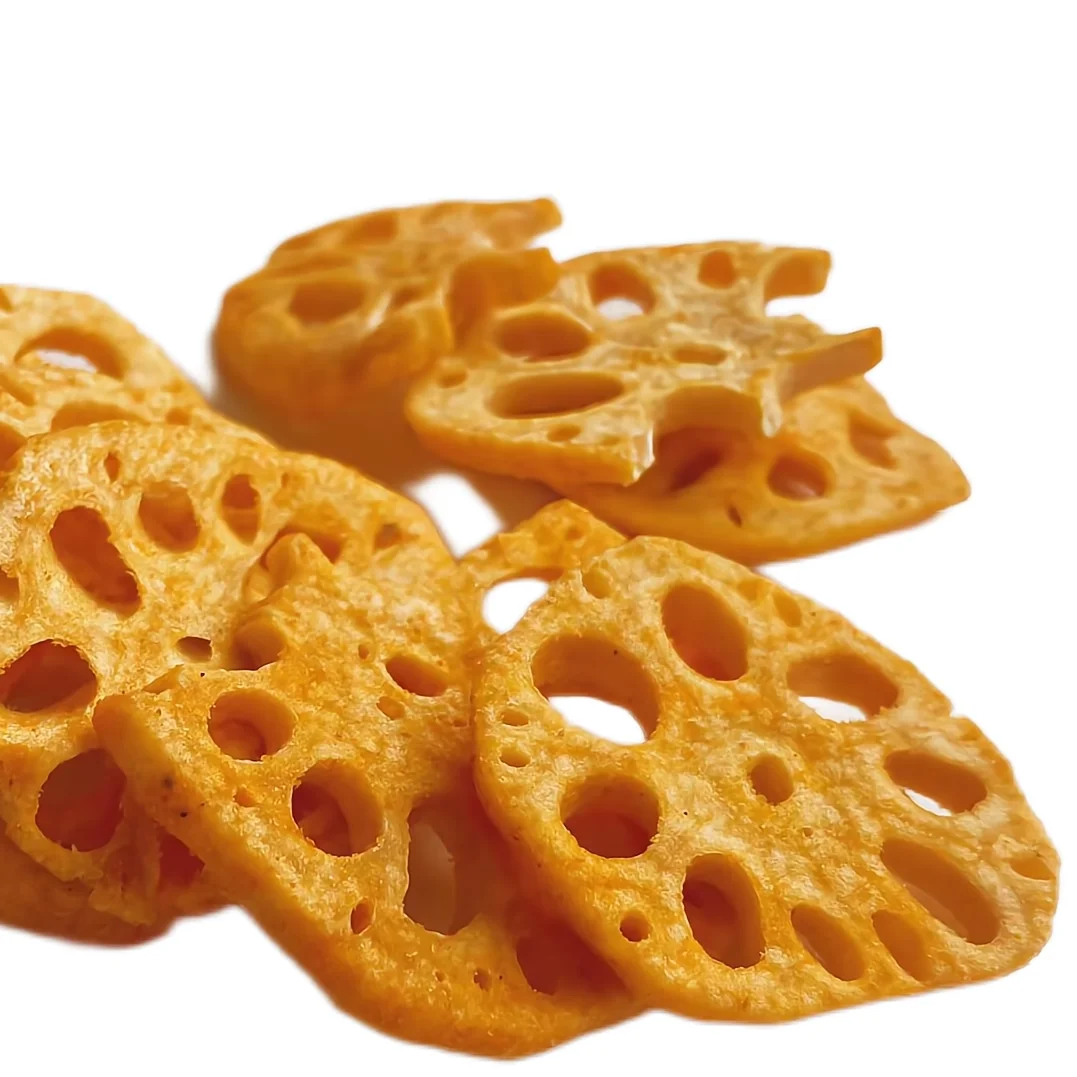
Vacuum-fried vegetables preserve color, texture, and nutritional content far better than conventionally fried products. The lower frying temperature means that pigments such as chlorophyll and carotenoids degrade less, giving vacuum-fried vegetables a visually appealing, natural appearance that resonates with health-conscious consumers in premium import markets. Products like vacuum-fried lotus root chips, okra, and green beans have found strong reception in specialty retail channels across Europe, Southeast Asia, and the Middle East.
The crispy texture and clean flavor profile of vacuum-fried vegetables also align well with snack market trends favoring 'better-for-you' options. Importers targeting health food stores, organic retailers, or online food platforms often seek out vacuum-fried vegetables precisely because they offer a differentiated product story compared to conventional chips or puffed snacks.
For vacuum-fried vegetables to enter regulated export markets, manufacturers must meet the food safety certification standards required by destination countries. In the European Union, this typically means compliance with EC food safety regulations and may require HACCP documentation. In the United States, FDA registration and compliance with the Food Safety Modernization Act are baseline requirements for vacuum-fried vegetables entering American retail or food service channels.
Certifications such as ISO 22000, BRC, or SQF significantly improve market access for vacuum-fried vegetables by demonstrating systematic food safety management. Many large-scale importers and retail chains will not source vacuum-fried vegetables without at least one recognized third-party audit certificate. Suppliers who invest in these certifications position vacuum-fried vegetables as credible, trustworthy products for international procurement teams.
Export labeling requirements for vacuum-fried vegetables vary by destination market, but all major markets require ingredient lists, allergen declarations, nutritional information, country of origin, and expiration dates in the local language. Failure to comply with labeling regulations is one of the most common reasons vacuum-fried vegetables are detained or rejected at customs. Experienced exporters work with local regulatory consultants to pre-validate packaging compliance before shipment.
Import documentation for vacuum-fried vegetables typically includes a certificate of origin, phytosanitary certificate, health certificate, and commercial invoice. Some markets also require pesticide residue test reports, particularly for vacuum-fried vegetables sourced from agricultural regions with high pesticide use histories. Thorough pre-export documentation reduces customs delays and protects buyer-supplier relationships over repeated order cycles.
Not every export channel is equally well suited for vacuum-fried vegetables. Premium retail, specialty food importers, organic food distributors, and e-commerce platforms represent the strongest opportunities because consumers in these channels are already receptive to innovative, health-positioned snack formats. Vacuum-fried vegetables tend to carry a higher unit price than conventional snacks, which supports margin requirements in specialty and premium distribution models.
In contrast, attempting to introduce vacuum-fried vegetables into mainstream mass-market channels before establishing brand awareness or educational content can result in slow sell-through rates. Export buyers in high-volume retail typically require extensive sampling programs, marketing support, and competitive pricing before committing to regular purchase orders for vacuum-fried vegetables. Matching the product to the right channel from the outset is essential for sustainable export growth.
The wholesale and private label segment offers scalable export opportunities for manufacturers of vacuum-fried vegetables. Many international food brands prefer to source vacuum-fried vegetables in bulk and apply their own branding, which simplifies the export proposition for manufacturers who may lack resources for individual-market brand building. This model allows vacuum-fried vegetables to reach more shelf positions globally while enabling the supplier to focus on production quality and cost efficiency.
Private label contracts for vacuum-fried vegetables often require MOQ commitments and consistent product specifications, but they provide stable, recurring revenue that supports production planning and raw material sourcing. Suppliers who can reliably deliver vacuum-fried vegetables with consistent fat content, moisture levels, and color standards are highly valued by private label buyers who depend on uniform product quality to protect their brand reputation in their home markets.
Vacuum-fried vegetables are processed at lower temperatures under reduced pressure, which results in lower oil content, better color retention, and longer shelf life compared to conventionally fried alternatives. These characteristics make vacuum-fried vegetables more suitable for international shipping and premium retail positioning.
The most widely recognized certifications for vacuum-fried vegetables in export markets include HACCP, ISO 22000, BRC, and SQF. FDA registration is required for the US market, while EU exporters of vacuum-fried vegetables must comply with EC food safety frameworks. Third-party audit certifications significantly improve buyer confidence.
Yes, vacuum-fried vegetables represent a growing segment in global snack food trade, driven by rising consumer demand for healthier, clean-label snack options. Markets in Europe, North America, and Southeast Asia have shown increasing interest in vacuum-fried vegetables, particularly in premium retail and specialty food channels.

 EN
EN
 Hot News