Пищевая промышленность продолжает развиваться в направлении решений, которые обеспечивают баланс между удобством, питательной ценностью и устойчивостью. Замороженный сублимационным способом манго стал трансформационным ингредиентом, меняющим подход розничных сетей и операторов общественного питания к закупке, хранению и подаче премиальных продуктов своим клиентам. В отличие от традиционного свежего манго, замороженный сублимационным способом манго обладает исключительной стабильностью при хранении, постоянным качеством и универсальностью применения в различных сегментах рынка. Эта инновация решает ключевые проблемы как в розничной логистике, так и в операциях общественного питания, сохраняя при этом натуральный вкус и питательный профиль, которые потребители всё чаще требуют.
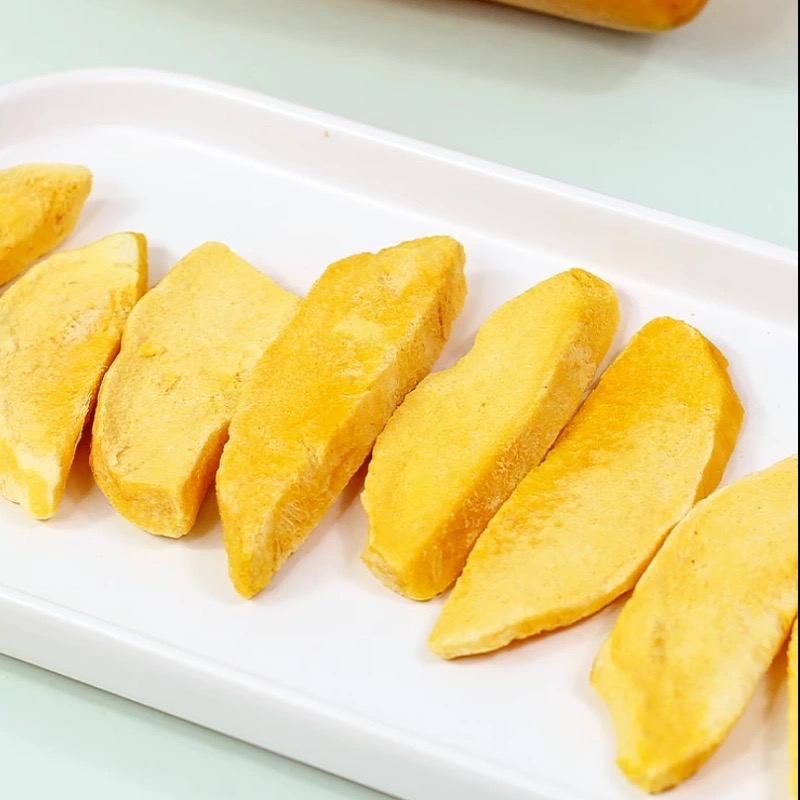
Потенциал замороженное манго выходит далеко за рамки простой замены ингредиентов. Покупатели розничных сетей и руководители отделов общественного питания понимают, что замороженное манго обеспечивает конкурентные преимущества в разработке продукции, операционной эффективности и удовлетворённости клиентов. Независимо от того, используется ли оно в хлопьях для завтрака, добавляется в смеси для перекуса, включается в порошки для смузи или интегрируется в премиальные наборы закусок, лиофилизированный манго даёт стабильные результаты без логистических сложностей, связанных с управлением свежими продуктами. Понимание того, как лиофилизированный манго встраивается в розничные и HoReCa-стратегии, критически важно для специалистов по закупкам и разработчиков меню, стремящихся укрепить свои ассортиментные предложения.
Замороженный в сушильной камере манго стал ключевым ингредиентом в сегменте упакованных закусок, где потребители активно ищут питательные, удобные и насыщенные варианты. В розничных сетях всё чаще появляются одноразовые пакеты с замороженным в сушильной камере манго, премиальные смеси для закусок, в состав которых входит замороженный в сушильной камере манго как выделенный компонент, а также отдельные продукты на основе замороженного в сушильной камере манго, позиционируемые как суперфуд-закуски. Лёгкий вес замороженного в сушильной камере манго делает такие продукты идеальными для каналов розничной торговли «с ходу», магазинов повседневного спроса и онлайн-площадок, где существенно влияют расходы на доставку и ограничения по хранению. Ритейлеры получают выгоду от увеличенного срока хранения, обеспечиваемого замороженным в сушильной камере манго: при правильной упаковке он может достигать восемнадцати месяцев и более — в отличие от ограниченного срока годности свежего манго.
Категории завтраков представляют собой быстро растущую область применения замороженного в сушилке манго в розничной торговле. Производители хлопьев всё чаще смешивают замороженное в сушилке манго с зерновыми, орехами и другими сушёными фруктами для создания премиальных продуктов для завтрака, ориентированных на потребителей, заботящихся о своём здоровье. Компании по производству гранолы используют замороженное в сушилке манго для придания тропического вкуса и визуальной привлекательности без избыточной влаги, которая могла бы ухудшить текстуру или стабильность продукта при хранении. Розничные продавцы йогуртов предлагают замороженное в сушилке манго в качестве топпинга, а производители смузи-боулов добавляют порошок из замороженного в сушилке манго в качестве основы для вкуса. Универсальность замороженного в сушилке манго в этих областях применения позволяет ритейлерам дифференцировать свои линейки товаров для здоровья и обосновывать премиальные цены на всё более конкурентных каналах натуральных продуктов.
Операции в сфере общественного питания — от неформальных ресторанов до заведений высокой кухни — обнаруживают, как замороженный в сушилке манго обеспечивает постоянство меню, которого невозможно добиться с использованием свежих фруктов. Шеф-повара и руководители отделов общественного питания ценят замороженный в сушилке манго за то, что он сохраняет одинаковый вкусовой профиль манго независимо от времени года: блюдо, приготовленное в январе, ничем не отличается от блюда, приготовленного в июле, — это устраняет проблемы, связанные с сезонной доступностью продукта и усложняющие планирование меню. Замороженный в сушилке манго можно быстро восстановить, посыпать им готовые десерты, измельчить в порошок для соусов или добавлять в выпечку без необходимости предварительной подготовки. Такая универсальность меняет подход профессионалов общественного питания к разработке меню: теперь они могут включать блюда с манго в меню круглый год, не опасаясь колебаний цен в зависимости от сезона или рисков в цепочке поставок, характерных для закупки свежих овощей и фруктов.
Замороженный сублимационной сушкой манго обеспечивает предприятия общественного питания беспрецедентную предсказуемость расходов и устранение отходов по сравнению с закупкой свежего манго. Свежий манго неизбежно связан с потерями из-за циклов созревания, порчи и отказа потребителей от плодов низкого качества, что зачастую составляет от пятнадцати до тридцати процентов отходов в крупных операциях. Замороженный сублимационной сушкой манго устраняет эти потери, одновременно снижая требования к хранению и трудозатраты, связанные с ежедневным осмотром и подготовкой фруктов. Руководители предприятий общественного питания отмечают, что замороженный сублимационной сушкой манго позволяет им точно планировать бюджет на обеспечение продукта круглый год без необходимости покрывать высокие сезонные цены или сталкиваться с дефицитом поставок в межсезонье. Такая операционная прозрачность делает замороженный сублимационной сушкой манго привлекательным решением для ресторанов, компаний по организации мероприятий и институциональных программ общественного питания, стремящихся стабилизировать расходы и повысить последовательность качества обслуживания.
Процесс лиофилизации сохраняет питательную ценность свежего манго, сохраняя витамины, клетчатку и антиоксиданты, которые потребители ассоциируют с преимуществами для здоровья и благополучия. Розничные сети и операторы общественного питания, использующие лиофилизированное манго, могут информировать потребителей об этих питательных преимуществах на упаковке и в меню с научно обоснованной достоверностью. Лиофилизированное манго содержит концентрированные уровни витамина C, пищевых волокон и полифенолов, соответствующие или превосходящие питательный профиль свежего манго в пересчёте на единицу массы. Такое сохранение питательных веществ отличает лиофилизированное манго от других методов консервирования и позволяет брендам позиционировать свои продукты как подлинно полезные для здоровья, а не просто удобные альтернативы. Специалисты общественного питания всё чаще принимают решения о составлении меню на основе «питательного повествования», которое обеспечивает лиофилизированное манго, особенно в сегментах, ориентированных на демографические группы, заботящиеся о своём здоровье.
Высококачественный замороженный сублимационным способом манго от сертифицированных поставщиков проходит строгие протоколы испытаний, соответствующие международным стандартам безопасности пищевых продуктов, обеспечивая ритейлеров и операторов сферы общественного питания документированной прослеживаемостью и предотвращением загрязнения. Каждая партия премиального замороженного сублимационным способом манго подвергается тестированию на патогены, аллергены и остаточные пестициды в соответствии с принципами HACCP и нормативными требованиями, специфичными для категорий общественного питания. Такая прозрачность укрепляет доверие потребителей и защищает операторов сферы общественного питания от репутационных и юридических рисков, связанных с инцидентами в области безопасности пищевых продуктов. Ритейлеры получают выгоду от упаковки, которая четко информирует о происхождении замороженного сублимационным способом манго, методах его переработки и статусе сертификации, что позволяет им уверенно продвигать продукцию. Директора сферы общественного питания получают необходимую документацию для успешного прохождения проверок органов здравоохранения и внутренних аудитов, когда замороженное сублимационным способом манго включено в их списки поставщиков.
Глобальный рынок замороженного в сушильном вакууме манго продолжает стремительно расти, поскольку ритейлеры и операторы сферы общественного питания осознают роль этого ингредиента в позиционировании премиальных продуктов и разработке функциональных пищевых изделий. Потребители всё чаще выбирают тропические и экзотические вкусы, а замороженное в сушильном вакууме манго обеспечивает подлинный вкус без потери качества, характерной для других методов переработки. Франчайзинговые смузи-бары, соковые бары и заведения общественного питания, ориентированные на здоровое питание, создали целые категории меню на основе продуктов с замороженным в сушильном вакууме манго, что подтверждает устойчивую коммерческую жизнеспособность таких решений даже на высококонкурентных рынках. Ритейлеры сообщают о высоких показателях продаж продуктов из замороженного в сушильном вакууме манго во всех каналах — в магазинах натуральных продуктов, обычных продуктовых сетях и специализированных торговых точках, что свидетельствует о прочном потребительском спросе и повторных покупках, оправдывающих расширение выделенной торговой площади и ассортимента.
Замороженный сублимационным способом манго обеспечивает ритейлерам и предприятиям общественного питания устойчивость цепочки поставок в эпоху климатической неопределённости и аграрной волатильности. Источники замороженного сублимационным способом манго от надёжных поставщиков с диверсифицированными регионами выращивания и перерабатывающими мощностями позволяют директорам предприятий общественного питания и закупочным командам снизить уязвимость к сезонным дефицитам или региональным неурожаям. Ритейлеры могут уверенно планировать годовые акции и запуск продуктов с использованием замороженного сублимационным способом манго без непредсказуемости, присущей закупке свежего манго. Это стратегическое преимущество сделало замороженное сублимационным способом манго неотъемлемой частью обсуждений по оптимизации цепочки поставок как в ритейле, так и в сфере общественного питания, позиционируя ингредиент не просто как удобный продукт, а как актив, обеспечивающий непрерывность бизнеса.
Замороженный в вакууме манго обычно сохраняет качество в течение двенадцати–восемнадцати месяцев при хранении в прохладном, сухом месте в упаковке с барьером против влаги, что значительно увеличивает срок годности по сравнению со свежим манго и поддерживает требования к планированию запасов как розничных, так и общественных предприятий.
Замороженный в вакууме манго концентрирует естественную сладость и тропический вкусовой профиль свежего манго, зачастую обеспечивая более насыщенный вкусовой опыт, который потребители считают привлекательным; однако текстура отличается от свежего фрукта, что может влиять на позиционирование в меню и ожидания клиентов в сфере общественного питания и розничной продажи закусок.
Лиофилизированный манго можно восстановить, замочив в воде, или добавлять непосредственно в смузи, напитки и выпечку без специального оборудования, что делает его чрезвычайно универсальным для предприятий общественного питания; кроме того, его можно измельчить в порошок или использовать в качестве гарнира, обеспечивая гибкость, упрощающую интеграцию в меню и процессы приготовления.
 Горячие новости
2026-09-15
2026-09-11
2026-09-07

 EN
EN