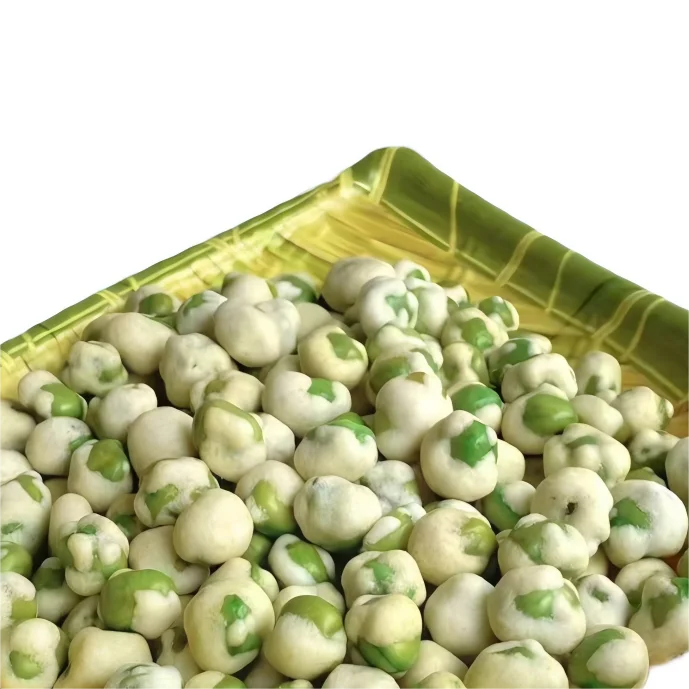
A indústria de lanches continua a evoluir à medida que os consumidores priorizam cada vez mais escolhas voltadas à saúde, sem abrir mão do sabor ou da conveniência. Entre as novas estrelas neste cenário competitivo, eDAMAME TORRADO atraiu atenção significativa tanto de varejistas quanto de consumidores atentos à saúde. Este legume rico em proteína oferece uma combinação atraente de benefícios nutricionais, crocância satisfatória e aplicações versáteis, posicionando-o como um impulsionador de categoria no segmento em expansão de lanches saudáveis. Compreender como a vagem de soja torrada pode transformar o desempenho no varejo exige analisar as tendências dos consumidores, as estratégias de posicionamento de mercado e as vantagens únicas que este produto traz para os portfólios modernos de lanches.
Os consumidores modernos buscam ativamente alternativas de lanches que estejam alinhadas com seus objetivos de bem-estar, ao mesmo tempo em que oferecem experiências gustativas satisfatórias. A soja edamame torrada atende perfeitamente a essa demanda, fornecendo proteína completa, aminoácidos essenciais e fibras em um formato prático e estável em temperatura ambiente. Pesquisas de mercado indicam que os lanches focados em proteína apresentaram crescimento de dois dígitos em diversos canais de varejo, com as opções à base de plantas liderando essa expansão. O apelo da soja edamame torrada vai além dos grupos demográficos tradicionalmente voltados para a saúde, atraindo também consumidores da população em geral, que valorizam sua textura satisfatória e seu perfil de sabor rico em umami.
Os varejistas observaram um aumento no tamanho dos carrinhos de compras quando os clientes adquirem edamame torrado em conjunto com produtos complementares, sugerindo um forte potencial de vendas cruzadas. O posicionamento do produto como um lanche nutritivo e um ingrediente versátil cria múltiplas ocasiões de compra ao longo do dia. Varejistas pioneiros relatam que os clientes de edamame torrado demonstram taxas de fidelidade mais elevadas e padrões de compras mais frequentes em comparação com os compradores tradicionais de lanches, indicando um forte comportamento de compras repetidas que impulsiona o crescimento sustentado da categoria.
O apelo do edamame torrado ultrapassa as fronteiras demográficas tradicionais, atraindo diversos segmentos de consumidores — desde profissionais ocupados em busca de nutrição prática até pais que procuram opções saudáveis de lanches para a família. A aceitação generalizada da culinária asiática criou uma familiaridade com o edamame, reduzindo as barreiras típicas associadas à introdução de novos produtos alimentares. Esse efeito de travessia cultural acelerou significativamente as taxas de penetração no mercado, muito mais do que lanches à base de proteína vegetal comparáveis lançados nos anos anteriores.
Consumidores das gerações Millennial e Z, que priorizam a sustentabilidade e o consumo ético, consideram a soja edamame torrada uma opção de lanche ambientalmente responsável. Esses grupos demográficos influenciam as decisões de compra familiares e demonstram grande disposição para pagar preços premium por produtos alinhados aos seus valores. Varejistas que visam esses segmentos relatam que a soja edamame torrada funciona como um produto âncora, melhorando a percepção geral da marca e os índices de satisfação do cliente.
A exposição eficaz de edamame torrado exige um posicionamento estratégico que aproveite as compras por impulso, ao mesmo tempo que reforça a consciência da categoria. Estudos demonstram que posicionar o edamame torrado em áreas de grande fluxo de clientes, próximas às seções de produtos frescos, cria associações naturais com hábitos alimentares saudáveis e frescos. Essa estratégia de exposição explora a conexão psicológica entre vegetais frescos e alimentos processados prontos para consumo, tornando a transição mais natural para consumidores conscientes de sua saúde.
As oportunidades de merchandising cruzado com produtos complementares potencializam o desempenho das vendas e apresentam o edamame torrado a novos segmentos de clientes. Varejistas bem-sucedidos implementaram parcerias estratégicas com categorias de bebidas, posicionando o edamame torrado próximo a chás premium, kombucha e bebidas artesanais, a fim de criar agrupamentos de compra voltados para um estilo de vida. Essa abordagem aumenta o valor médio das transações, ao mesmo tempo que reforça o posicionamento premium, sustentando estruturas de margem saudáveis.
As estratégias de merchandising sazonal podem amplificar significativamente o desempenho da edamame torrada durante os períodos de consumo de pico. A temporada de volta às aulas representa uma oportunidade excepcional, pois os pais buscam opções práticas e nutritivas para lanches escolares, enquanto os estudantes necessitam de lanches portáteis para estudos. Os períodos festivos de entretenimento oferecem outra janela estratégica, já que a edamame torrada funciona como um aperitivo sofisticado, atraindo anfitriões e convidados atentos à saúde e com restrições dietéticas.
Varejistas que implementam ciclos promocionais dinâmicos relatam crescimento sustentado ao alternar entre promoções voltadas para valor e estratégias de posicionamento premium. Ofertas limitadas no tempo de sabores novos e variações sazonais de embalagem geram senso de urgência, mantendo ao mesmo tempo a consciência da marca junto ao consumidor. Essas abordagens promocionais evitam a mercantilização do produto, ao mesmo tempo que criam entusiasmo em torno da categoria edamame torrada, tanto entre clientes existentes quanto entre potenciais novos usuários.
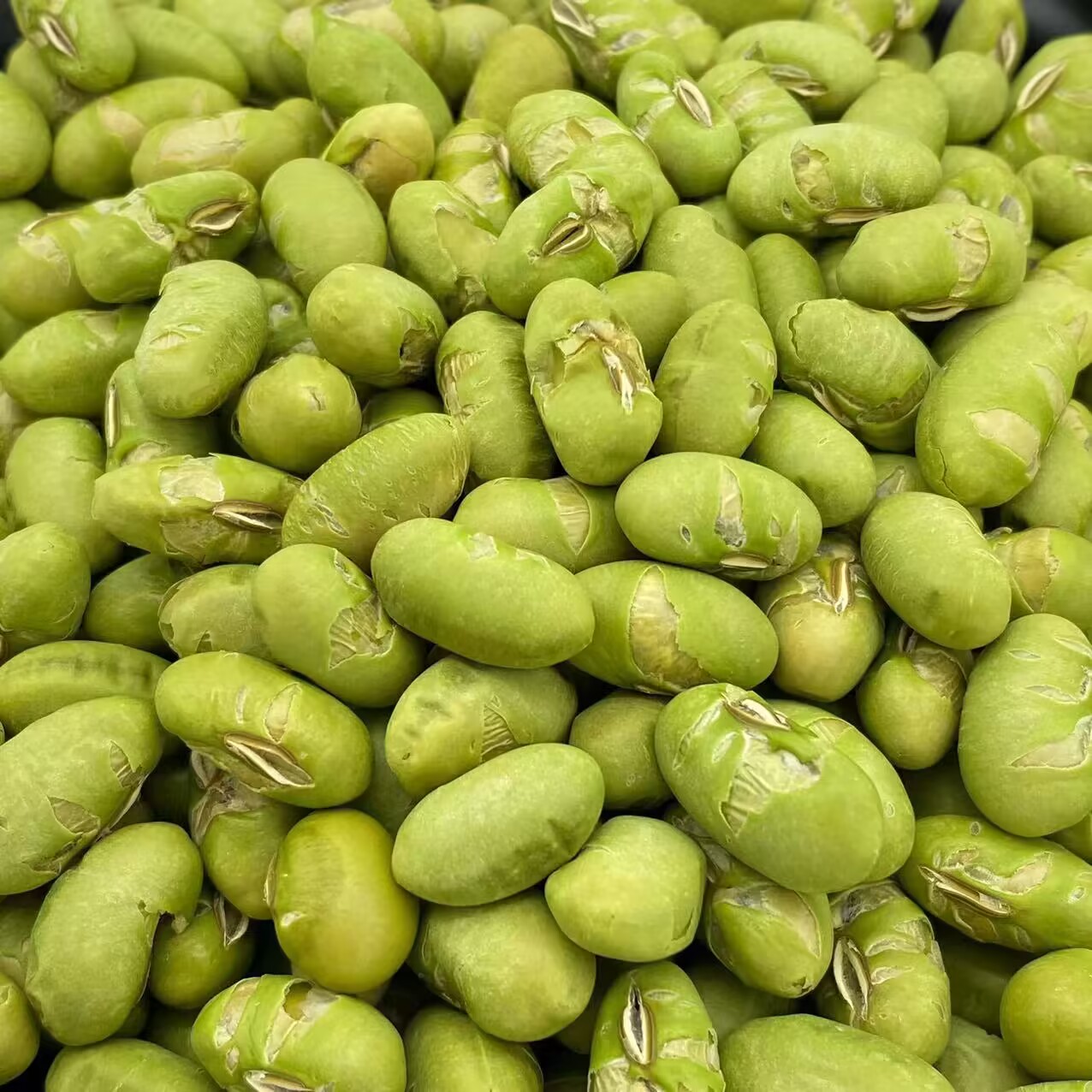
O posicionamento do edamame torrado dentro das categorias existentes de petiscos exige uma análise cuidadosa das dinâmicas competitivas e dos padrões de substituição por parte dos consumidores. Ao contrário dos petiscos tradicionais à base de castanhas, o edamame torrado oferece nutrição à base de leguminosas, atraindo consumidores com alergia a castanhas de árvores e ampliando significativamente o mercado potencial. Essa diferenciação cria oportunidades para vendas incrementais, em vez de simples substituição, contribuindo para a expansão geral da categoria, e não apenas para deslocamentos de participação de mercado entre produtos já existentes.
As estratégias de posicionamento de preço devem refletir o perfil nutricional premium do produto, mantendo-o, ao mesmo tempo, acessível aos consumidores da massa. Varejistas bem-sucedidos descobriram que posicionar a edamame torrada com um ligeiro ágio em relação às nozes convencionais, mas abaixo das alternativas orgânicas especializadas, gera uma percepção ótima de relação custo-benefício. Esse posicionamento reconhece a maior densidade nutricional do produto, ao mesmo tempo que preserva sua ampla acessibilidade no mercado, impulsionando o crescimento de volume e a expansão da categoria.
A integração eficaz da edamame torrada nas operações existentes da cadeia de suprimentos exige o entendimento dos padrões de disponibilidade sazonal e das condições ideais de armazenamento. Diferentemente de muitos lanches tradicionais, que possuem longa vida útil, a edamame torrada beneficia-se de práticas adequadas de rotação que preservam suas características sensoriais ideais — sabor e textura. Varejistas que adotam a gestão de estoque pelo critério 'primeiro que entra, primeiro que sai' relatam índices superiores de satisfação do cliente e menores taxas de devolução, comparados àqueles que aplicam os protocolos-padrão utilizados na categoria de lanches.
A eficiência da distribuição melhora quando a edamame torrada é integrada às redes logísticas existentes de produtos alimentícios asiáticos, aproveitando relações estabelecidas e rotas de transporte. Essa abordagem de integração reduz os custos finais de importação, ao mesmo tempo que garante a disponibilidade consistente do produto durante os períodos de demanda máxima. Varejistas inovadores desenvolveram acordos de parceria com fornecedores que asseguram a continuidade do fornecimento durante as flutuações sazonais, protegendo-se contra rupturas de estoque que poderiam interromper o impulso dessa categoria.
A educação eficaz do consumidor sobre edamame torrado concentra-se em benefícios concretos, em vez de conceitos nutricionais abstratos. Mensagens que enfatizam o teor de proteína completa, a densidade de fibras e a liberação sustentada de energia ressoam fortemente com os grupos-alvo que buscam soluções funcionais para lanches. Materiais de ponto de venda que destacam esses benefícios, mantendo ao mesmo tempo uma apresentação visual apetitosa, geram o duplo impacto necessário tanto para estimular a experimentação quanto para fomentar compras repetidas.
Informações nutricionais comparativas posicionadas ao lado de alternativas tradicionais de lanches ajudam os consumidores a compreender claramente a proposta de valor. Varejistas que utilizam exposições educativas relatam taxas de conversão aumentadas quando os benefícios do edamame torrado são apresentados em formatos acessíveis, evitando jargões técnicos. Essa abordagem educacional constrói lealdade duradoura à categoria e reduz a sensibilidade ao preço entre consumidores informados, que compreendem as vantagens nutricionais.
Programas estratégicos de amostragem representam um dos métodos mais eficazes para apresentar aos consumidores a soja edamame torrada e superar a hesitação inicial em relação a produtos desconhecidos. Demonstrações realizadas nas lojas, que permitem aos clientes experimentar a crocância satisfatória e o perfil saboroso característico, geram consistentemente altas taxas de conversão e comportamento de compra imediata. Programar esses programas durante os horários de pico de compras maximiza a exposição, ao mesmo tempo que cria associações positivas com a experiência geral de compras.
Programas digitais de amostragem por meio de ofertas promocionais direcionadas e campanhas nas mídias sociais ampliam o alcance além das limitações das lojas físicas. Varejistas bem-sucedidos adotaram abordagens híbridas que combinam experiências presenciais com engajamento digital subsequente, reforçando as mensagens e incentivando compras repetidas. Essas campanhas integradas criam múltiplos pontos de contato que desenvolvem familiaridade e confiança na categoria de edamame torrada entre consumidores hesitantes.
A categoria de edamame torrado apresenta significativas oportunidades de inovação capazes de impulsionar o crescimento contínuo e a expansão de mercado. Programas de desenvolvimento de sabores que incorporam perfis gustativos globais atraem preferências diversas dos consumidores, ao mesmo tempo que mantêm os benefícios nutricionais essenciais que definem essa categoria. Varejistas que estabelecem parcerias com fabricantes para ofertas exclusivas de sabores relatam maior diferenciação e melhoria na fidelidade do cliente em comparação com assortments padrão de produtos.
Inovações de embalagem que melhoram a conveniência e a portabilidade criam novos vetores de crescimento para as vendas de edamame torrado. Porções individuais, projetadas para consumo em movimento, aproveitam a crescente tendência de lanches móveis, enquanto opções de tamanho familiar atendem aos padrões de compra doméstica. Essas variações de formato ampliam as ocasiões de uso e acomodam diferentes faixas de preço, tornando o edamame torrado acessível a segmentos mais amplos de consumidores.
A expansão além dos canais tradicionais de varejo representa uma oportunidade significativa de crescimento para o desenvolvimento da categoria de edamame torrado. Aplicações no setor de foodservice — como refeitórios corporativos, programas de alimentação universitária e instalações de saúde — apresentam o produto a novos segmentos de consumidores, ao mesmo tempo que fortalecem a conscientização para compras no varejo. Esses canais institucionais também fornecem feedback valioso sobre preferências de sabor e padrões de consumo, informando estratégias de merchandising no varejo.
A integração com o comércio eletrônico torna-se cada vez mais importante à medida que as compras online de produtos alimentícios continuam a expandir-se. Produtos de edamame torrado otimizados para descoberta digital — por meio de descrições aprimoradas dos produtos, comparações nutricionais e avaliações de clientes — apresentam desempenho significativamente superior ao das listagens padrão em catálogos. Varejistas que adotam abordagens omnichannel, conectando a descoberta online às experiências presenciais nas lojas, relatam crescimento acelerado da categoria e taxas melhoradas de aquisição de clientes.
A soja edamame torrada oferece vantagens únicas, incluindo um teor completo de proteína, textura atraente e apelo amplo junto a diversos grupos demográficos, impulsionando um desempenho consistente nas vendas. Ao contrário de muitos lanches saudáveis que visam mercados de nicho, a soja edamame torrada atrai consumidores do mercado principal, mantendo ao mesmo tempo uma posição premium. A versatilidade do produto — tanto como lanche quanto como ingrediente — cria múltiplas ocasiões de compra, aumentando a frequência de compras por cliente e o valor vitalício do cliente.
O posicionamento ideal de preços coloca a soja edamame torrada com uma leve sobreposição em relação às nozes convencionais, mas ainda abaixo das alternativas orgânicas especializadas. Essa estratégia reflete o perfil nutricional superior e os benefícios únicos do produto, ao mesmo tempo em que preserva sua acessibilidade para consumidores do mercado principal. Os varejistas devem enfatizar o valor por porção, com base no teor de proteína e na densidade nutricional, em vez de competir exclusivamente com base no preço unitário nas categorias tradicionais de lanches.
As estratégias bem-sucedidas de introdução combinam o posicionamento estratégico próximo às seções de hortifrutis com programas abrangentes de degustação e exposições educativas. O merchandising cruzado com produtos saudáveis complementares cria oportunidades naturais de descoberta, enquanto os materiais de ponto de venda que destacam os benefícios nutricionais reforçam a confiança do consumidor. Os varejistas devem implementar lançamentos em fases, permitindo a otimização com base nos padrões de resposta e nas preferências locais dos consumidores.
Os indicadores-chave de desempenho incluem métricas de velocidade, taxas de aquisição de clientes e padrões de compras repetidas comparados às categorias estabelecidas de lanches. A análise de cesta, que revela oportunidades de vendas cruzadas e melhorias no valor vitalício do cliente, fornece insights mais profundos sobre o impacto da categoria. Os varejistas também devem monitorar os índices de satisfação do cliente e as taxas de devolução para garantir que os padrões de qualidade mantenham uma percepção positiva da categoria e padrões sustentáveis de crescimento.
 Notícias Quentes
 EN
EN