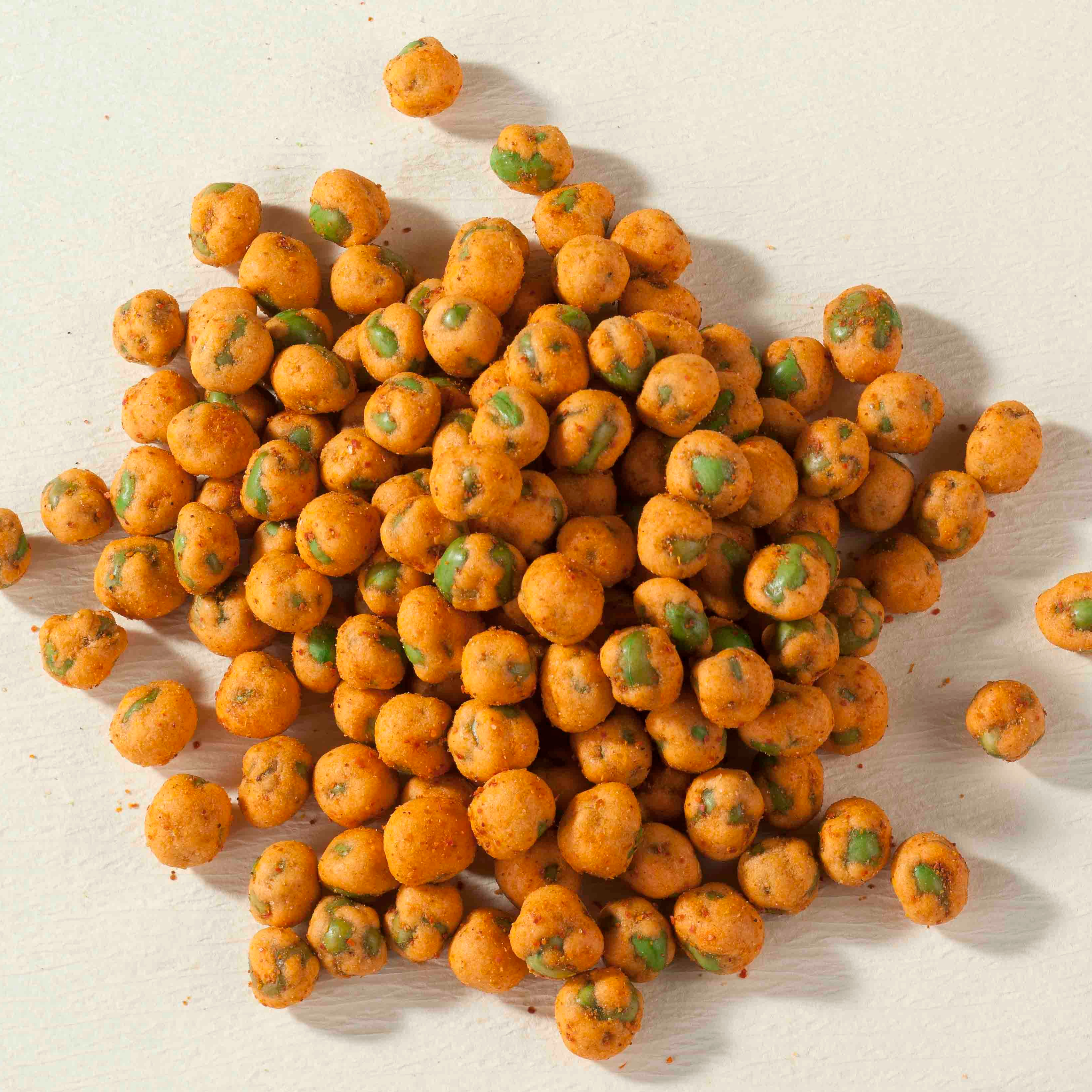
Zakup handlowych zielonych groszku do produkcji przekąsek wymaga strategicznego podejścia, które zapewnia równowagę między jakością, spójnością, niezawodnością dostaw oraz efektywnością kosztową. W miarę jak popyt konsumentów na zdrowe, pochodzenia roślinnego przekąski nadal dynamicznie rośnie na całym świecie, producenci znajdują się pod rosnącym naciskiem, aby zapewnić sobie wysokiej jakości surowce spełniające rygorystyczne standardy bezpieczeństwa żywności, zachowując jednocześnie rentowność. Zielony groszek stanowi doskonały składnik podstawowy do produkcji przekąsek ze względu na naturalną zawartość białka, atrakcyjny profil smakowy oraz wszechstronność w zastosowaniach związanych z powlekaniem i aromatyzacją. Jednak nie wszystkie zielone groszki są jednakowe, a zrozumienie konkretnych wymagań dotyczących komercyjnej produkcji przekąsek jest kluczowe przed nawiązaniem współpracy z dostawcami lub ustaleniem procedur zakupowych.
Proces pozyskiwania groszku zielonego do produkcji przekąsek wykracza daleko poza po prostu zidentyfikowanie dostawcy oferującego konkurencyjne ceny. Obejmuje on ocenę cech odmianowych, wymagań dotyczących zawartości wilgoci, możliwości przetwarzania, systemów śledzenia, wymogów certyfikacyjnych oraz zdolności dostawcy do skalowania się wraz z potrzebami Twojej produkcji. Niezależnie od tego, czy wprowadzasz na rynek nową linię przekąsek, czy optymalizujesz istniejący łańcuch dostaw, ten kompleksowy przewodnik przeprowadzi Cię krok po kroku przez kluczowe etapy, kryteria oceny oraz najlepsze praktyki stosowane przez profesjonalne zespoły zakupowe w celu zapewnienia niezawodnych źródeł groszku zielonego klasy komercyjnej, odpowiedniego do środowisk produkcyjnych przekąsek w wysokich objętościach.
Zielone groszki przeznaczone do produkcji przekąsek przemysłowych muszą spełniać określone parametry fizyczne i chemiczne, które znacznie różnią się od tych stosowanych w przypadku groszku przeznaczonego na rynek świeży lub konserwowy. Podstawowym kryterium jest jednolitość rozmiaru, ponieważ stały średnica ziaren zapewnia równomierne nanoszenie powłoki, jednolite efekty smażenia lub pieczenia oraz przewidywalny wygląd gotowego produktu. Większość producentów przekąsek określa wąski zakres rozmiarów, zazwyczaj od 7 mm do 9 mm średnicy, przy maksymalnej dopuszczalnej odchyłce wynoszącej ±1 mm. Jednolitość ta ma bezpośredni wpływ na wydajność produkcji, ponieważ niestabilne rozmiary prowadzą do nierównomiernego rozprowadzania aromatyzatorów, zmiennej tekstury końcowego produktu oraz zwiększonego odpadu podczas kontroli jakości.
Zawartość wilgoci stanowi kolejny kluczowy parametr techniczny przy zakupie ziela zielonego do produkcji przekąsek. Poziom wilgoci surowca musi być kontrolowany w ścisłym zakresie, zwykle pomiędzy 12% a 14% dla suszonych ziela przeznaczonych do prażenia lub smażenia. Ziela o zbyt wysokiej zawartości wilgoci powodują trudności w procesie produkcyjnym, w tym wydłużenie czasu suszenia, wzrost kosztów energii oraz ryzyko rozwoju mikroorganizmów podczas przechowywania. Z kolei nadmiernie wysuszone ziela stają się kruche i podatne na pękanie podczas manipulacji oraz operacji nanoszenia powłok. Wiarygodni dostawcy udostępniają dokumentację dotyczącą zawartości wilgoci przy każdej dostawie oraz utrzymują magazyny z klimatyzowaną kontrolą warunków przechowywania, aby zachować optymalny poziom wilgoci w całym łańcuchu dostaw.
Różne odmiany groszku zielonego wykazują charakterystyczne cechy wpływające na ich przydatność do produkcji przekąsek. Na przykład groszek szparagowy jest większy i bardziej skrobiasty, co czyni go idealnym do niektórych zastosowań w procesie powlekania, ale może nadawać gotowej przekąsce gęstszy teksturę. Groszek ogrodowy i groszek polny mają mniejsze, bardziej jednolite rozmiary oraz słodszy, naturalny profil smakowy, który wymaga mniejszego stopnia dodatkowego przyprawiania, aby zapewnić akceptację przez konsumentów. Podczas zakupu groszku zielonego do produkcji przekąsek zrozumienie oczekiwanego profilu produktu końcowego ułatwia dobór odpowiedniej odmiany i zapewnia spójność w ramach poszczególnych partii produkcyjnych.
Naturalna zawartość cukru w groszku zielonym odgrywa również istotną rolę w ostatecznej jakości produktu. Groszek zbierany w fazie pełnej dojrzałości zawiera wyższe stężenie naturalnych cukrów, które karmelizują się podczas procesów pieczenia lub smażenia, przyczyniając się do charakterystycznego złotobrązowego koloru oraz lekkiego słodkawego posmaku, jakich konsumenci spodziewają się w wysokiej klasy przekąskach z groszku. Dostawcy, którzy mogą dostarczyć szczegółową analizę składu, w tym zawartości cukrów, poziomu skrobi oraz procentowej zawartości białka, wykazują wyższy poziom kontroli jakości i są zazwyczaj bardziej wiarygodnymi partnerami w komercyjnych operacjach produkcyjnych przekąsek.
Współczesna produkcja przekąsek wymaga rygorystycznych protokołów bezpieczeństwa żywności w całym łańcuchu dostaw, a zakup grochu zielonego na potrzeby produkcji przekąsek musi obejmować weryfikację certyfikatów dostawców oraz ich systemów zarządzania jakością. Minimalnym wymogiem jest posiadanie przez dostawców aktualnych certyfikatów, takich jak HACCP, GMP i ISO 22000, które świadczą o zastosowaniu systemowych podejść do identyfikacji i kontroli zagrożeń dla bezpieczeństwa żywności. Dla producentów skierowanych na eksport lub obsługujących duże sieci detaliczne dodatkowe certyfikaty, takie jak BRC, IFS lub FSSC 22000, mogą stanowić obowiązkowe wymagania, które dostawcy muszą spełniać.
Ponad certyfikaty, zielone groszki przeznaczone na cele komercyjne muszą zostać poddane badaniom w celu wykrycia zanieczyszczeń, w tym pozostałości pestycydów, metali ciężkich, mikotoksyn oraz obciążenia mikrobiologicznego. Uznani dostawcy stosują udokumentowane protokoły badań i mogą przedstawić certyfikaty analizy dla każdej partii produkcyjnej. Przy ocenie potencjalnych źródeł zielonego groszku do produkcji przekąsek należy zażądać dostępu do najnowszych wyników badań oraz zweryfikować, czy częstotliwość przeprowadzania badań odpowiada najlepszym praktykom branżowym oraz wymogom regulacyjnym obowiązującym na rynkach docelowych. Dostawców, którzy nie są gotowi do zapewnienia przejrzystości w zakresie procedur badawczych lub nie są w stanie przedstawić kompleksowej dokumentacji, należy uznać za partnerów o wysokim stopniu ryzyka.
Początkowa faza pozyskiwania groszku zielonego do produkcji przekąsek obejmuje kompleksowe badania rynkowe mające na celu zidentyfikowanie potencjalnych dostawców posiadających zdolność, wiedzę specjalistyczną oraz wiarygodność niezbędną do obsługi objętości produkcyjnych na skalę komercyjną. Należy rozpocząć od opracowania mapy głównych regionów uprawnych znanych z wysokiej jakości uprawy groszku zielonego, w tym największych obszarów rolniczych w Ameryce Północnej, Europie i Azji. Zróżnicowanie geograficzne bazy dostawców pozwala ograniczyć ryzyko wynikające z regionalnych porażek plonów, zjawisk klimatycznych lub zakłóceń logistycznych, które mogłyby zagrozić ciągłości dostaw.
Targi branżowe, wystawy przemysłu spożywczego oraz konferencje poświęcone towaramu rolnemu stanowią doskonałą okazję do bezpośredniego spotkania z dostawcami, oceny próbek produktów oraz oceny ich profesjonalizmu i reputacji na rynku. Platformy cyfrowe, w tym portale B2B, katalogi branżowe oraz giełdy towarów rolnych ułatwiają również wyszukiwanie dostawców, choć interakcje wirtualne zawsze należy uzupełnić o fizyczne próbki produktów, a najlepiej także o audyty obiektów produkcyjnych przed podpisaniem ostatecznych umów z dostawcami. Przy zakupie zieleniny groszku do produkcji przekąsek należy preferować dostawców specjalizujących się w składnikach przeznaczonych do celów spożywczych, a nie ogólnych handlowców produktami rolnymi, ponieważ dostawcy specjalistyczni zazwyczaj stosują lepsze systemy kontroli jakości i lepiej rozumieją konkretne wymagania związane z produkcją przekąsek.
Moc produkcyjna dostawcy musi być zgodna z obecnymi wymaganiami dotyczącymi objętości zamówienia oraz umożliwiać skalowanie w celu dostosowania się do wzrostu działalności. Podczas oceny dostawcy należy zażądać szczegółowych informacji na temat rocznych objętości produkcji, pojemności magazynowej oraz bazy klientów dostawcy, aby ocenić, jaki udział w jego działalności stanowi objętość Państwa zamówień. Dostawcy, dla których Państwa zamówienia stanowią istotny strumień przychodów, zazwyczaj są bardziej elastyczni i chętniej spełniają specjalne wymagania, podczas gdy bardzo dużi dostawcy mogą oferować mniejszą elastyczność oraz usługę mniej spersonalizowaną.
Zapewnienie niezawodności dostaw wykracza poza zwykłą dostępność i obejmuje spójność jakości, przestrzeganie harmonogramów dostaw oraz szybką reakcję na problemy jakościowe lub zmiany specyfikacji. Przy ocenie potencjalnych dostawców groszku zielonego przeznaczonego do produkcji przekąsek należy zbadać historię działania dostawcy, żądając referencji od obecnych klientów, w szczególności tych działających w sektorze produkcji przekąsek. Należy zapytać o plany awaryjne dostawcy na wypadek niedoboru plonów, o charakter relacji z wieloma producentami rolnymi oraz o to, czy utrzymuje strategiczne zapasy magazynowe służące zniwelowaniu wpływów sezonowych fluktuacji dostępności groszku.
Możliwości przetwórcze po zbiorach u Twojego dostawcy zielonego groszku bezpośrednio wpływają na jakość i spójność surowców dostarczanych do Twojego zakładu produkcyjnego. Idealni dostawcy korzystają z nowoczesnych zakładów przetwórczych, wyposażonych w zaawansowane systemy czyszczące, sortery optyczne i urządzenia do sortowania wielkościowego, które usuwają ciała obce, przebarwiony groszek i kawałki o nieregularnych rozmiarach przed zapakowaniem. Te możliwości przetwórcze zmniejszają obciążenie Twojej wewnętrznej kontroli jakości i minimalizują ilość odpadów w trakcie produkcji.
Podczas oceny dostawców groszku zielonego przeznaczonego do produkcji przekąsek należy zażądać szczegółowych informacji na temat ich protokołów kontroli jakości, w tym procedur pobierania próbek, częstotliwości badań oraz konkretnych parametrów monitorowanych na każdym etapie przetwarzania. Dostawcy posiadający udokumentowane standardowe procedury operacyjne, wykwalifikowany personel ds. kontroli jakości oraz inwestujący w nowoczesne wyposażenie analityczne wykazują zaangażowanie w zapewnianie jakości, które przekłada się na bardziej spójną jakość surowców. Jeśli to możliwe, należy przeprowadzić audyty lokalizacji dostawcy w celu bezpośredniego obserwowania procesów przetwarzania, oceny praktyk sanitarnych oraz weryfikacji zgodności rzeczywistych działań z udokumentowanymi procedurami i deklaracjami marketingowymi.
Struktury cenowe dla groszku zielonego przeznaczonego do produkcji przekąsek różnią się w zależności od takich czynników jak objętość zamówienia, częstotliwość dostaw, specyfikacje jakościowe oraz warunki rynkowe. Dostawcy mogą oferować ceny oparte na wielkości zamówienia, zapewniające korzyści kosztowe przy większych zamówieniach, jednak producenci muszą zrównoważyć korzyści cenowe z kosztami utrzymania zapasów oraz ryzykiem pogorszenia się jakości podczas długotrwałego przechowywania. Umowy o stałej cenie zapewniają pewność budżetową oraz ochronę przed zmiennością cen surowców, podczas gdy umowy cenowe indeksowane do rynku oferują potencjalne oszczędności kosztowe w przypadku spadku cen surowców, ale narażają producentów na wzrost cen w sytuacji niedoboru dostaw.
Warunki płatności mają istotny wpływ na zarządzanie przepływem środków pieniężnych oraz ogólną opłacalność strategii pozyskiwania surowców. Standardowe warunki w sektorze towarów rolnych często obejmują częściową zapłatę z góry za umowy związane z okresem zbiorów, przy czym pozostała kwota jest należna w momencie dostawy lub w ciągu 30–60 dni od daty wysyłki. Producentom o silnej historii kredytowej może zostać umożliwiona negocjacja przedłużonych terminów płatności, podczas gdy nowi klienci lub zamawiający u dostawców zagranicznych mogą być zobowiązani do przedstawienia akredytywy bankowej lub zapłaty w całości z góry. Przy pozyskiwaniu zieleniny (grochu zielonego) przeznaczonego na produkcję przekąsek u międzynarodowych dostawców należy uwzględnić ryzyko kursowe w analizie cenowej oraz rozważyć zastosowanie strategii zabezpieczenia (hedgingu), jeśli objętość produkcji jest znaczna.
Kompleksowe umowy dostaw grochu zielonego przeznaczonego do produkcji przekąsek muszą zawierać szczegółowe specyfikacje jakości, które określają dopuszczalne zakresy wszystkich kluczowych parametrów, w tym rozkładu wielkości ziaren, zawartości wilgoci, barwy, poziomu materiałów obcych oraz liczby mikroorganizmów. W tych specyfikacjach należy odwoływać się do ustandaryzowanych metod badawczych, aby wyeliminować niejednoznaczności i zapewnić jasną podstawę do akceptacji lub odrzucenia dostarczonych materiałów. Należy uwzględnić postanowienia dotyczące próbek przed wysyłką, które pozwalają zespołowi ds. jakości na zatwierdzenie każdej partii produkcyjnej przed pełną wysyłką, co zmniejsza ryzyko otrzymania materiałów niespełniających specyfikacji.
Ustalić jasne protokoły postępowania w przypadku sporów dotyczących jakości, w tym procedury testów przeprowadzanych przez niezależne strony trzecie w sytuacji rozbieżności wyników uzyskanych przez dostawcę i kupującego, oraz określić środki zaradcze wobec partii towaru niespełniających wymagań. Możliwe opcje obejmują korektę ceny proporcjonalną do stopnia niezgodności, wymianę towaru kosztem dostawcy lub odrzucenie i zwrot całej partii towaru. Dobrze skonstruowane umowy regulują również podział ryzyka oraz odpowiedzialności za pogorszenie się jakości towaru w trakcie transportu, wyraźnie określając, czy odpowiedzialność za materiały ulegające zepsuciu wskutek nieodpowiedniego przechowywania lub nieprawidłowego postępowania podczas transportu ponosi dostawca czy kupujący.
Umowy dostaw powinny obejmować planowanie ciągłości działania oraz określać procedury zarządzania zakłóceniami w dostawach spowodowanymi niepowodzeniem zbiorów, klęskami żywiołowymi lub innymi nieprzewidzianymi zdarzeniami. Należy rozważyć uwzględnienie postanowień wymagających od dostawców utrzymywania minimalnych poziomów zapasów, wcześniejszego powiadamiania o potencjalnych niedoborach oraz przyznania im pierwszeństwa w zakupie dostępnych dostaw w przypadku niedoborów objętych całym sektorem. Przy zakupie zieleniny (grochu zielonego) do produkcji przekąsek strategia dwukrotnego źródła dostaw zapewnia dodatkowe bezpieczeństwo poprzez podział ilości zamówienia pomiędzy dwóch kwalifikowanych dostawców, choć podejście to może zmniejszyć objętość zamówień indywidualnych i potencjalnie zwiększyć koszty jednostkowe.
Klauzule siły wyższej określają okoliczności, w których którakolwiek ze stron może zawiesić zobowiązania wynikające z umowy bez ponoszenia sankcji, jednak należy starannie negocjować zakres tych postanowień, aby nie zapewniały one dostawcom nadmiernej elastyczności w rezygnacji z zobowiązań w przypadku wzrostu cen rynkowych. Należy uwzględnić wymogi dotyczące dokumentacji oraz terminów powiadamiania w sytuacjach, gdy dostawca odwołuje się do siły wyższej, a także rozważyć, czy wymaga się od dostawcy pozyskiwania towarów z alternatywnych źródeł w celu spełnienia zobowiązań nawet wtedy, gdy jego główne źródło dostaw ulega awarii.
Solidne procedury kontroli przyjmowanych towarów stanowią pierwszą linię obrony przed problemami z jakością podczas zakupu groszku zielonego do produkcji przekąsek. Opracuj ustandaryzowane protokoły kontroli, które obejmują badanie reprezentatywnych próbek z każdej dostawy w odniesieniu do ustalonych przez Ciebie specyfikacji dotyczących wielkości, wilgotności, barwy, materiału obcego oraz uszkodzeń fizycznych. Planowanie statystyczne pobierania próbek, oparte na wielkości partii i stopniu krytyczności badanego parametru, zapewnia efektywne wykorzystanie zasobów kontroli jakości oraz pozwala na podejmowanie uzasadnionych decyzji o akceptacji.
Współczesne podejścia do zapewnienia jakości obejmują technologie szybkiego testowania, które zapewniają wyniki w czasie rzeczywistym podczas operacji odbioru. Spektroskopia w bliskiej podczerwieni, na przykład, pozwala szybko zmierzyć zawartość wilgoci, poziom białka oraz inne parametry składu bez niszczenia próbki. Cyfrowe systemy obrazowania połączone z sztuczną inteligencją mogą oceniać jednolitość barwy oraz wykrywać materiały obce z większą szybkością i spójnością niż ręczna kontrola wzrokowa. Inwestycja w te technologie staje się opłacalna dla producentów przetwarzających znaczne ilości ziaren groszku zielonego do produkcji przekąsek, ponieważ zmniejszają one zapotrzebowanie na siłę roboczą, minimalizują błędy akceptacji oraz zapewniają obiektywne dokumentowanie jakości materiałów przyjmowanych.
Kompleksowe systemy śledzenia umożliwiają szybką reakcję na problemy jakościowe oraz zapewniają dokumentację wymaganą przez przepisy dotyczące bezpieczeństwa żywności i audyty klientów. Wdroż protokoły śledzenia partii, które utrzymują wyraźne powiązania między partiami surowców wprowadzanych do produkcji a partiami gotowych produktów, umożliwiając szybkie zidentyfikowanie wszystkich produktów potencjalnie dotkniętych problemem jakościowym wykrytym w surowcach lub produktach gotowych. Systemy kodów kreskowych lub RFID ułatwiają efektywne zbieranie danych w momencie odbioru, podczas produkcji oraz w całym łańcuchu dystrybucji.
Podczas zakupu groszku zielonego do produkcji przekąsek należy wymagać od dostawców szczegółowych informacji umożliwiających śledzenie pochodzenia produktu w każdej dostawie, w tym regionu uprawy, daty zbiorów, daty przetworzenia oraz wyników wszelkich przeprowadzonych badań jakościowych. Informacje te powinny być wprowadzane do systemu planowania zasobów przedsiębiorstwa (ERP) lub systemu zarządzania jakością, tworząc pełny łańcuch odpowiedzialności – od gospodarstwa rolnego po gotowy produkt. Podczas audytów dostawców należy zweryfikować, czy dostawcy prowadzą dokumentację niezbędną do potwierdzenia deklaracji dotyczących śledzenia pochodzenia produktu oraz czy są w stanie udowodnić możliwość przeprowadzenia symulacji отзwania produktu, pozwalającej na śledzenie ruchu produktu zarówno w kierunku przyszłym (forward traceability), jak i wstecznym (backward traceability) w całym łańcuchu dostaw.
Systematyczne monitorowanie wyników dostawców zapewnia wczesne ostrzeżenia dotyczące trendów jakościowych, problemów z niezawodnością dostaw lub trudności z reagowaniem, które mogą wskazywać na konieczność podjęcia działań korygujących lub zastąpienia dostawcy. Opracuj wskaźniki kluczowych osiągnięć (KPI) specyficzne dla groszku zielonego przeznaczonego do produkcji przekąsek, w tym takie metryki jak procent przesyłek spełniających specyfikacje przy pierwszej kontroli, średnie odchylenie od wartości docelowych dla parametrów krytycznych, wskaźnik dostaw terminowych oraz szybkość reagowania na problemy jakościowe lub zapytania o informacje.
Przeprowadzaj regularne przeglądy działalności z dostawcami strategicznymi w celu omówienia trendów wyników, rozwiązywania pojawiających się problemów oraz identyfikowania okazji do ciągłego doskonalenia. Przeglądy te powinny opierać się na danych, prezentując obiektywne wskaźniki zamiast subiektywnych wrażeń, a także sprzyjać współpracy w rozwiązywaniu problemów, a nie adwersyjnym oskarżeniom. Dostawców o wysokiej wydajności należy docenić i – w razie potrzeby – przydzielić im większy udział w zamówieniach; natomiast dostawców systematycznie nie spełniających oczekiwań należy wpisać do planów poprawy z jasno określonymi wymaganiami i terminami, co w przypadku braku poprawy może skutkować ich zastąpieniem.
Transport i przechowywanie stanowią istotne składniki kosztów przy pozyskiwaniu groszku zielonego do produkcji przekąsek, a optymalizacja tych obszarów wpływa bezpośrednio na ogólne koszty surowców oraz niezawodność łańcucha dostaw. Groszek zielony musi być transportowany i przechowywany w środowisku kontrolowanym, zapewniającym odpowiedni poziom wilgotności oraz zapobiegający narażeniu na szkodniki, zanieczyszczenia lub skrajne temperatury. Pojemniki przeznaczone do celów spożywczych – niezależnie od tego, czy są to worki luzem, supersaki, czy mniejsze formaty opakowań – muszą być czyste, suche oraz wolne od jakichkolwiek pozostałości lub zapachów, które mogłyby skażać produkt.
W przypadku pozyskiwania krajowego ilości przewożone pojedynczym pojazdem zwykle zapewniają najkorzystniejszą ekonomię transportu, podczas gdy pozyskiwanie międzynarodowe wiąże się z przewozem w kontenerach, wymagającym koordynacji z przewoźnikami morsko-lądowymi, pośrednikami celnymi oraz potencjalnie dostawcami usług logistycznych z chłodnią. Przy ocenie opcji transportowych dla do produkcji przekąsek rozważ całkowity koszt dostawy, a nie tylko porównuj stawki przewozowe, ponieważ takie podejście uwzględnia czas transportu, ryzyko uszkodzenia lub utraty towaru oraz koszty związane z utrzymywaniem zapasów w przypadku dłuższych okresów wysyłki.
Zarządzanie zapasami zieleni groszku przeznaczonego na produkcję przekąsek wymaga równoważenia korzyści ekonomicznych wynikających z zakupu hurtowego z degradacją jakości występującą podczas długotrwałego przechowywania. Choć suszony groszek zielony zachowuje akceptowalną jakość przez 12–18 miesięcy przy odpowiednich warunkach przechowywania, z biegiem czasu mogą występować subtelne zmiany zawartości wilgoci, barwy oraz cech technologicznych. Wdroż protokoły rotacji zapasów według zasady „pierwszy przybył – pierwszy wyszedł”, aby zapewnić wykorzystanie starszych partii przed nowszymi dostawami, oraz okresowo monitoruj materiały przechowywane w celu wykrycia ewentualnych zmian jakości, które mogą wymagać korekty parametrów procesu technologicznego lub przyspieszonego zużycia.
Poziomy zapasów zabezpieczających powinny uwzględniać zmienność czasów realizacji zamówień od dostawców, sezonowe wzorce dostępności oraz krytyczne znaczenie groszku zielonego dla harmonogramu produkcji. Producentom prowadzącym ciągłe linie produkcyjne o ograniczonej elastyczności w zakresie zastępowania składników alternatywnymi wymagane są wyższe poziomy zapasów zabezpieczających niż tym, którzy dysponują bardziej elastycznymi recepturami lub harmonogramami produkcji. Obliczenia ekonomicznej wielkości zamówienia (EOQ), które bilansują koszty zamawiania, koszty utrzymywania zapasów oraz ryzyko braku zapasów, stanowią ilościową podstawę decyzji dotyczących zapasów; niemniej jednak modele te należy dostosować do praktycznych uwarunkowań, takich jak minimalne wielkości zamówień u dostawców czy ograniczenia związane z pojemnością magazynu.
Dostępność i ceny groszku zielonego wykazują wzory sezonowe, które wynikają z cykli zbiorów w głównych regionach uprawy. Zrozumienie tych wzorów umożliwia strategiczne dobieranie terminów zakupów w celu skorzystania z korzystnych cen przy jednoczesnym zapewnieniu wystarczającej ilości dostaw w okresach ograniczonej dostępności. W półkuli północnej groszek zielony jest zwykle zbierany od późnej wiosny do początku lata, a szczytowa dostępność oraz potencjalnie niższe ceny występują krótko po zbiorach. W miarę postępującego roku uprawnego zapasy dostępne na rynku maleją, a ceny mogą wzrastać, szczególnie w przypadku silnego popytu globalnego lub niższych niż średnia objętości produkcji.
Przy zakupie groszku zielonego na potrzeby produkcji przekąsek warto rozważyć strategie zawierania umów długoterminowych, które zapewniają ustalenie ilości dostaw i cen na cały rok, gwarantując tym samym pewność budżetową oraz bezpieczeństwo zaopatrzenia, a także potencjalnie umożliwiając skorzystanie z korzystnych cen w okresach największej dostępności. Należy śledzić raporty dotyczące światowej produkcji, warunki pogodowe w kluczowych regionach uprawy oraz trendy popytu w innych branżach konkurujących o dostawy groszku zielonego, takich jak producenci białka roślinnego czy tradycyjni przetwórcy żywności. Ta analiza rynku wspiera podejmowanie uzasadnionych decyzji zakupowych oraz pomaga określić optymalny moment składania zamówień lub negocjacji umów.
Czasy realizacji zamówień międzynarodowych groszku zielonego przeznaczonego do produkcji przekąsek zwykle wynoszą od 60 do 90 dni – od momentu złożenia zamówienia do dostarczenia towaru na Twoje obiekty. Okres ten obejmuje produkcję lub przydział zapasów przez dostawcę, badania jakości i przygotowanie dokumentacji, załadunek kontenerów oraz przetwarzanie w porcie, transport morski, odbiór celnego oraz transport wewnątrzkontynentalny do Twojej lokalizacji. Dostawcy posiadający gotowe zapasy mogą oferować skrócone czasy realizacji w zakresie od 30 do 45 dni, podczas gdy zamówienia wymagające przetwarzania niestandardowego lub spełnienia specjalnych specyfikacji mogą wydłużyć czasy realizacji do 120 dni lub więcej. Sourcing krajowy zazwyczaj skraca czasy realizacji do 14–30 dni, w zależności od lokalizacji dostawcy oraz odległości transportowej. Przy planowaniu harmonogramów produkcji należy uwzględnić dodatkowy czas buforowy na potencjalne opóźnienia spowodowane zatłoczeniem portów, kontrolami celnymi lub problemami jakościowymi wymagającymi rozstrzygnięcia przed zwolnieniem produktu do obrotu.
Weryfikacja jakości handlowej groszku zielonego przeznaczonego do produkcji przekąsek wymaga wieloaspektowego podejścia, łączącego przegląd dokumentacji, ocenę fizyczną próbek oraz audyty obiektów produkcyjnych. Wymagaj certyfikatów analizy od niezależnych laboratoriów zawierających wyniki badań kluczowych parametrów, w tym rozkładu wielkości ziaren, zawartości wilgoci, poziomu białka oraz badań na obecność zanieczyszczeń. Przeprowadź próbne procesy produkcyjne w skali pilotażowej, wykorzystując próbki od potencjalnych dostawców, aby ocenić zachowanie się groszku w konkretnym procesie produkcyjnym Twojej firmy – w szczególności pod kątem przyczepności powłoki, cech pieczenia, rozwoju smaku oraz tekstury gotowego produktu. Audyty obiektów produkcyjnych w miejscu ich położenia umożliwiają bezpośrednią obserwację wyposażenia produkcyjnego, praktyk sanitarnych oraz procedur kontroli jakości, zapewniając zaufanie do zgodności udokumentowanych możliwości z rzeczywistymi warunkami działania. Sprawdzenie referencji u istniejących klientów, szczególnie innych producentów przekąsek, dostarcza informacji na temat wiarygodności i spójności dostawcy w długotrwałych relacjach biznesowych. Wdrożenie procesu kwalifikacji obejmującego te kroki weryfikacyjne przed przyznaniem znacznych objętości zamówień chroni przed dostawcami, którzy fałszują jakość produktu lub swoje możliwości.
Najczęstsze problemy jakościowe związane z groszkiem zielonym przeznaczonym do produkcji przekąsek obejmują niestabilne rozmiary, co prowadzi do nierównomiernego pokrywania powłoką oraz niejednorodnych efektów przetwarzania, nadmierną zawartość wilgoci powodującą wydłużenie czasu suszenia i potencjalny wzrost mikroorganizmów, obecność materiałów obcych, takich jak kamienie lub zanieczyszczenia organiczne, które uszkadzają sprzęt i stwarzają zagrożenia dla bezpieczeństwa żywności, zmienność barwy między partiami wpływającą na wygląd gotowego produktu oraz uszkodzenia fizyczne, w tym pęknięcia i szczeliny, które zwiększają ryzyko łamania podczas obsługi i przetwarzania. Strategie zapobiegawcze obejmują ustalenie szczegółowych specyfikacji z surowymi tolerancjami, wymaganie próbek zatwierdzających przed wysyłką dla każdej partii produkcyjnej, wprowadzenie rygorystycznych protokołów kontroli przy odbiorze z jasno określonymi kryteriami akceptacji, dobór dostawców posiadających zaawansowane wyposażenie przetwarzające, w tym sortery optyczne i urządzenia do usuwania kamieni, przeprowadzanie regularnych audytów dostawców w celu weryfikacji skuteczności ich systemów jakości oraz utrzymywanie otwartych kanałów komunikacji umożliwiających szybkie rozwiązywanie problemów jakościowych. Budowanie relacji z dostawcami, którzy traktują jakość jako wspólną odpowiedzialność i inwestują w ciągłe doskonalenie, stanowi podstawę długoterminowego sukcesu łańcucha dostaw.
Optymalne podejście do pozyskiwania groszku zielonego na potrzeby produkcji przekąsek zależy od objętości produkcji, możliwości kontroli jakości oraz dostępnych zasobów do zarządzania łańcuchem dostaw. Pozyskiwanie bezpośrednio od gospodarstw rolnych może zapewnić niższe koszty jednostkowe oraz bliższe relacje z producentami, ale wiąże się z koniecznością znacznych inwestycji w ocenę jakości, koordynację procesów przetwórczych, zarządzanie logistyką oraz przyjęciem ryzyka niepowodzenia zbiorów lub zmienności jakości. Takie podejście najlepiej sprawdza się u bardzo dużych producentów wyposażonych w dedykowane zespoły zakupowe oraz posiadających taką objętość produkcji, która uzasadnia bezpośredni kontakt z producentami rolnymi. Specjalizowani dostawcy składników, choć zwiększają koszt produktu o swoją marżę, oferują wartość dodaną poprzez agregację dostaw z wielu gospodarstw rolnych, inwestycje w infrastrukturę przetwórczą i kontrolę jakości, utrzymanie zapasów buforowych, przejmowanie ryzyka związanych z uprawą oraz wiedzę ekspercką w zakresie zgodności z przepisami bezpieczeństwa żywności i dokumentacji. Dla większości małych i średnich producentów przekąsek współpraca z ustanowionymi dostawcami składników zapewnia lepsze zarządzanie ryzykiem i pozwala skupić się na kluczowych kompetencjach w zakresie rozwoju produktów i produkcji, a nie handlu surowcami rolnymi. Podejście hybrydowe, obejmujące strategiczne partnerstwa z dostawcami składników, którzy utrzymują bezpośrednie relacje z gospodarstwami rolnymi, może łączyć korzyści obu modeli – zapewniając bezpieczeństwo dostaw i spójność jakości przy jednoczesnej przejrzystości pochodzenia surowca.
 Gorące wiadomości
2026-04-15
2026-03-04
2025-10-20

 EN
EN