The export of freeze dried fruits to Middle Eastern markets requires meticulous attention to storage and packaging protocols. These markets demand premium quality, extended shelf life, and adherence to specific regulatory requirements. Understanding how to properly store and package freeze dried fruits ensures that products maintain their nutritional value, taste, and appearance throughout the supply chain. Middle Eastern consumers expect consistency, safety, and authenticity in freeze dried fruits, making proper handling essential for business success.
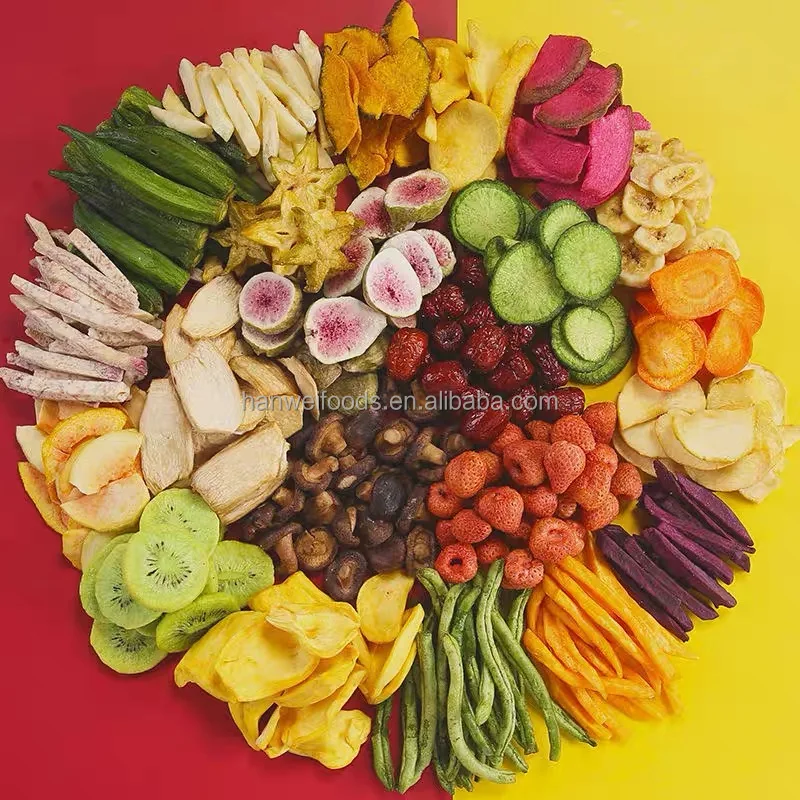
The Middle Eastern market represents significant growth potential for freeze dried fruits exporters. However, success depends on implementing storage solutions and packaging strategies that protect product integrity across extended distribution networks. Climate conditions in the region, varying humidity levels, and long shelf durations require robust preservation methods. By mastering the fundamentals of freeze dried fruit storage and packaging, suppliers can establish reliable relationships with distributors and retailers throughout the Middle East.
Freeze dried fruits are highly sensitive to moisture and temperature fluctuations. In Middle Eastern warehouses, maintaining stable environmental conditions is critical for preserving freeze dried fruit quality. The ideal storage temperature for freeze dried fruits ranges between 15 and 25 degrees Celsius, with humidity levels kept below 25 percent. Middle Eastern climates often exhibit high ambient temperatures and variable humidity, making climate-controlled storage facilities essential for freeze dried fruits. Without proper temperature management, freeze dried fruits can undergo rehydration, leading to texture degradation and potential microbial growth.
Exposure to ambient moisture poses the greatest threat to freeze dried fruits during storage in Middle Eastern markets. Freeze dried fruits must be stored in environments equipped with desiccants and moisture barriers to prevent reabsorption of water. Silica gel packets and oxygen absorbers are commonly used within packaging to maintain low moisture levels around freeze dried fruits. For bulk storage of freeze dried fruits, vacuum-sealed containers offer superior protection against humidity infiltration. Many suppliers use nitrogen flushing within sealed containers holding freeze dried fruits to eliminate residual oxygen and extend shelf life significantly.
The packaging materials chosen for freeze dried fruits must balance protection, shelf appeal, and regulatory compliance across Middle Eastern markets. Freeze dried fruits require multilayer packaging that includes moisture barriers, light protection, and structural integrity. Aluminum foil laminate pouches are popular for freeze dried fruits because they provide excellent oxygen and moisture barriers while maintaining product visibility. Freeze dried fruits packaged in high-barrier materials preserve their crispness, color, and nutritional content throughout extended shelf periods. Glass containers also serve premium freeze dried fruit products, offering complete protection and premium positioning for Middle Eastern consumers.
Middle Eastern markets impose specific labeling requirements that freeze dried fruit exporters must observe. Packaging for freeze dried fruits must include clear ingredient declarations, nutritional information, country of origin, and allergen warnings in Arabic and English. Halal certification is frequently required on freeze dried fruit packaging for Middle Eastern distribution. Storage instructions must be prominently displayed on freeze dried fruit packages, advising retailers and consumers about optimal conditions. Freeze dried fruits intended for Middle Eastern markets should indicate recommended usage and shelf life clearly on all packaging materials.
Transporting freeze dried fruits to Middle Eastern destinations requires containers that maintain stable conditions throughout the journey. Freeze dried fruits must be shipped in temperature-controlled environments, particularly during air transport across regions with significant temperature variation. Sealed shipping containers protect freeze dried fruits from exposure to external moisture and contamination during transit. Many exporters of freeze dried fruits utilize specialized logistics providers experienced in handling sensitive dried products. Documentation and tracking systems ensure that freeze dried fruits maintain required storage conditions from warehouse to retail shelf across Middle Eastern supply networks.
Properly stored freeze dried fruits maintain quality for 12 to 24 months when storage conditions remain optimal. Middle Eastern distributors and retailers must implement first-in, first-out rotation protocols to ensure freeze dried fruits are sold within recommended timeframes. Freeze dried fruits stored in controlled environments with adequate moisture protection consistently outperform products stored in standard conditions. Regular inventory audits help distributors maintain freeze dried fruit quality and prevent stock deterioration. Clear expiration dates on freeze dried fruit packaging enable retailers to manage stock efficiently while maintaining consumer trust in product freshness.
Freeze dried fruits require humidity levels below 25 percent for optimal preservation. Maintaining humidity below this threshold prevents rehydration and microbial growth in freeze dried fruits. In Middle Eastern climates, achieving these humidity levels typically requires climate-controlled storage facilities equipped with dehumidification systems. Storage containers for freeze dried fruits should include desiccants and moisture-absorbing packets to regulate internal humidity. Regular humidity monitoring ensures freeze dried fruits remain protected throughout the storage period.
Yes, Middle Eastern markets require freeze dried fruits to display clear labeling in Arabic and English, including ingredients, allergens, and nutritional information. Halal certification is mandatory for many freeze dried fruit products sold in Middle Eastern countries. Freeze dried fruits must also include storage instructions and expiration dates prominently on packaging materials. Import regulations vary slightly by country within the Middle East, so suppliers should verify specific freeze dried fruit requirements with regional authorities. Compliance with these standards is essential for successfully distributing freeze dried fruits throughout Middle Eastern markets.
Quality freeze dried fruits maintain optimal freshness for 12 to 24 months when stored in controlled environments with appropriate packaging. The shelf life of freeze dried fruits extends significantly when packaging includes oxygen absorbers and vacuum sealing. Freeze dried fruits stored in temperature-controlled warehouses with humidity below 25 percent consistently maintain quality throughout the recommended period. Proper storage conditions and high-barrier packaging are critical factors determining how long freeze dried fruits remain shelf-stable. Retailers in Middle Eastern markets should follow rotation protocols to ensure freeze dried fruits are sold within optimal freshness windows.

 EN
EN




 Hot News


