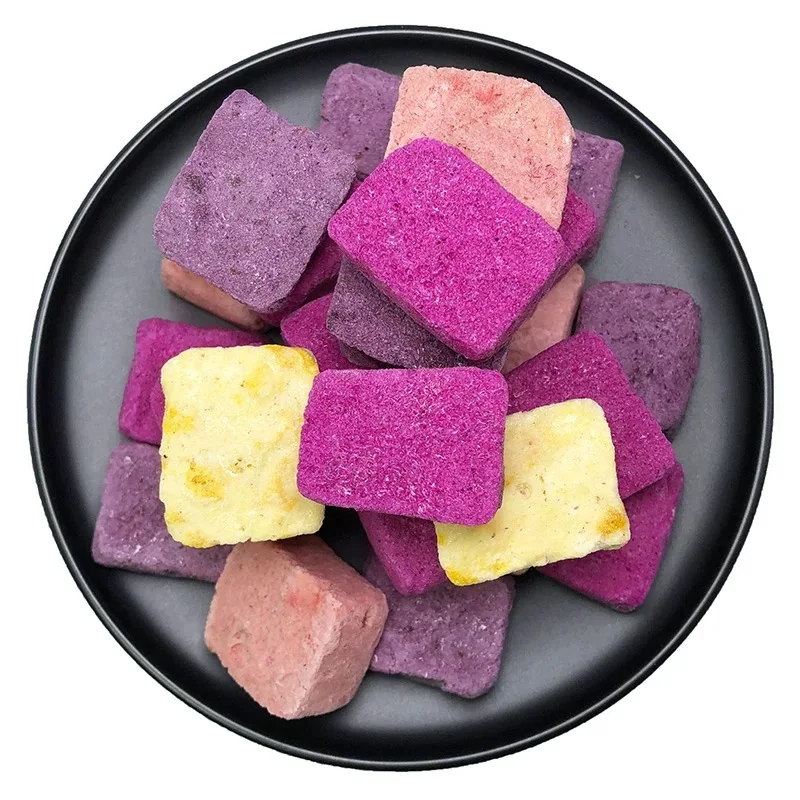
תעשיית הפרוסות הסיטונאית עוברת התמרה מרשימה, כאשר צרכנים המודאגים מהבריאות מזדהים בדרישה למוצרים מזינים ומקצועיים כחלופה לפרוסות מעובדות מסורתיות. בין הכוכבים העולים בשוק הזה, תותים מיובשים קrios השיגו תשומת לב משמעותית מספקים סיטונאיים שמחפשים להרחיב את תיקי המוצרים שלהם. מוצרי הפירות הקליים והיציבים במלאי אלו מציעים שמירה יוצאת דופן על הערך התזונתי, לצד טעם עז וקרישיות מהנה שצרכנים מודרניים חשים בהם. הפופולריות הגוברת של תותים מיובשים קrios (קְרִיאוֹס) מייצגת יותר מאשר מוצר טרנדי בלבד – היא מסמנת מעבר יסודי לפתרונות ללחמים פרימיום enfocused בריאות, שמספקים גם נוחות וגם ערך תזונתי.
תהליך היבוש הקפוא, הידוע גם בשם ליופיליזציה, מהווה אחת משיטות שימור המזון המתקדמות ביותר הזמינות בטכנולוגיית המזון המודרנית. תהליך זה מתחיל בהקפאת תותים טריים בטמפרטורות נמוכות במיוחד, בדרך כלל מתחת ל-40-°F, מה שגורם להיווצרות גבישים של מים בתוך מבנה הפירות. לאחר מכן, התותים הקפואים עוברים סUBLימציה במגירת ואקום, שבה גבישי הקרח הופכים ישירות מהמצב המוצק למצב האדים, ללא מעבר דרך המרקב הנוזלי. שיטת השימור העדינה הזו מבטיחה שהתותים היבשים קפואים שומרים על מבנה התאים המקורי שלהם, מה שמוביל למוצרים שמתאימים להידרציה יפהפייה תוך שימור מקסימלי של התוכן התזונתי.
תהליך הסאבלימציה מסיר כ-98% מתכולת המים מהתותים הטריים, ויוצר מוצר בעל יציבות מעולה במזון ללא צורך בממירים כימיים או תוספים מלאכותיים. בניגוד לשיטות ייבוש מסורתיות שמשתמשות בחום ועשויות לפגוע בויטמינים רגישים ואנטיאוקסידנטים, היבוש הקפוא שומר על התרכובות עדינות אלו שעושות את התותים עשירים תזונתית. התוצאה היא תותים מיובשים קפואים ששמורים את צבעם הזוהר, טעמם העוצמתי והטקסטורה הגרנולית שלהם, תוך הצעת יכולת אחסון מוארכת שהופכת אותם אידיאליים לרשתות הפצה בדמויות.
מחקרים שערך מוסדות מדע המזון מראים באופן עקבי כי תותים מיובשים بالتקרור שומרים על רמות גבוהות בהרבה של ויטמין C, פולאט ואנטיאוקסידנטים בהשוואה לאלטרנטיבות מיובשות בדרך הקונבנציונלית. הסביבה היבשה בטמפרטורה נמוכה מונעת את הפירוק החום-תלוי שמתרחש לעיתים קרובות בשיטות שימור מבוססות חום, מה שמבטיח שהמזונות הרגישים נשארים ביואקטיביים לצרכנים. עליונות תזונתית זו הפכה לנקודת מכירה מרכזית לספקים סיטונאיים שפועלים מול קמעונאים וצרכנים בעלי מודעות בריאותית, אשר נותנים עדיפות לתוויות תזונתיות פונקציונליות.
השימור של האנזימים הטבעיים של תותים ושל הפיטונוטריינטים שלהם באמצעות ייבוש קפוא יוצר מוצרים שמציעים פרופילים אוטנטיים של טעם פירות ללא צורך במגבירי טעם מלאכותיים או הוספת סוכר. המראה 'נקי' הזה הפך את התותים הייבשים קפואים למשיכה מיוחדת למותגי חטיפים פרמיום ולמוכרי מזון אורגני החפצים במרכיבים שמתאימים להעדפות הצרכנים למזונות מעובדים מינימלית. תקופת המגורים המוארכת של תותים ייבשים קפואים, כאשר הם ארוזים כראוי – לעתים קרובות עולה על 25 שנה באחסון בתנאים אופטימליים – מספקת לספקים סיטונאיים גמישות במלאי ופוחתת את דאגות הפסד.

שוק הלחמים המודרני חווה שינוי יסודי כשמצרכנים מעדיפים יותר ויותר ערך תזונתי לצד נוחות וטעמה. קונים שמתעניינים בריאות מחפשים באופן פעיל אפשרויות ללחמים שמספקות מזון חיוני, רכיבים טבעיים ויתרונות פונקציונליים, ולא קלוריות ריקות מאלטרנטיבות מעובדות. תותים מיובשים קrios מתאימים באופן מושלם להעדפות הצרכניות הללו על ידי הצעת תזונה מרוכזת, טעמים טבעיים חזקים והקרישיות המשביעת שמביאה לעונג באכילת לחמים בריאים.
מחקר שוק מצביע על כך ששוק הלחמים הבריאותי העולמי צפוי להגיע לרמות צמיחה חסרות תקדים, כאשר קטעי הפירות המוקפאים מפגינים ביצועים חזקים במיוחד בקרב קבוצות דמוגרפיות שונות. הורים המחפשים אפשרויות מזינות לאשכולות הילדים, חובבי כושר הדורשים תוספות חלבון ניידות, ועובדי משרד החפצים ללחמים עונתיים שמשמרים את האנרגיה – כל אלו מהווים קבוצות צרכניות צומחות שמעודדות ביקוש לתותים מוקפאים. המגוון הרחב של קהל היעד הזה גרם לספקים סיטונאיים להכיר בפירות המוקפאים כפריטי מלאי חיוניים, ולא כמוצרים מיוחדים.
נוף הפצה של תותים מיובשים קפואים התרחב באופן דרמטי מעבר לחנויות מזון בריאות מסורתיות, וכולל עתה רשתות סופרמארקט כלליות, חנויות נוחות, שוקי אינטרנט וערוצים ייחודיים למכירה קמעונאית. חדירת השוק הזו יצרה הזדמנויות משמעותיות לספקים בדistributor על מנת להקים קשרים עם סוגי קמעונאים מגוונים, אשר לכל אחד מהם דרישות ייחודיות באשר לאביזרים, למחירים ולנפחים. הגמישות של התותים המיובשים קפואים כחטיפים עצמאיים וכרכיבי חומרים גולמיים הרחיבה עוד יותר את המאגר שלהם בקטגוריות קמעונאיות רבות.
פלטפורמות מסחר אלקטרוני אימצו במיוחד תותים מיובשים קrios (קיפאון) בשל מאפייני המשלוח הקלים שלהם ותקופת המאגר הארוכה, מה שמביא לירידה בהוצאות הלוגיסטיקה ובקשיי ניהול מלאי עבור קמעונאים באינטרנט. צמיחת שוק קופסאות ההרשמה למתנות בריאותיות יצרה גם ערוצי ביקוש עקביים לספקים סיטונאיים שיכולים לספק איכות מוצר אמינה ולוחות זמנים קבועים למשלוח. אפשרויות הפצה מתפשטות אלו הפכו את התותים המיובשים קrios למשיכה גוברת לספקים סיטונאיים החפצים במוצרים עם מקורות הכנסות מרובים וגמישות במערכת המיקום השווקית.
ספקים סיטונאיים הפועלים בשוק התחרותי של ימינו חייבים לשלב בקפידה בין השקעות במלאי לבין עלויות האחסון, שיעורי המעבר של המוצרים ודרישות שביעות הרצון של הלקוחות. תותים מיובשים קפואים מציעים יתרונות יוצאי דופן בתחום זה בזכות היציבות הגבוהה שלהם במזג אוויר והדרישות הנמוכות לאחסון. הסרת רכיב המים נותנת מוצרים שמשקלם נמוך בהרבה לעומת גירסאות טריות או מיובשות מסורתיות, מה שמביא להפחתת עלויות המשלוח ודרישות שטח המחסן, תוך שמירה על צפיפות ערך גבוהה של המוצר.
הארכת תקופת המטושטש של תותים מיובשים קriosטטית מפחיתה את רוב אתגרי ניהול המלאי הקשורים במוצרי פירות הדרים, ומאפשרת לספקים סיטונאיים לשמור על רמות מלאי מתאימות ללא חששות בנוגע להתדרדרות מהירה או תנודות בהזמינות העונתית. יציבות זו מאפשרת תכנון פיננסי צפוי יותר ומחסלת את הסיכון לכתיבת-חזרה של מלאי שיכולה להשפיע באופן משמעותי על שולי הרווח. בנוסף, מאפייני האיכות הקבועים של תותים מיובשים קriosטטית, אשר עבדו כראוי, מפחיתים תלונות לקוחות ובעיות החזרה שמהן סובלים לעיתים קרובות ספקים של ירקות ופירות טריים.
טכנולוגיית העיבוד המתקדמת והפרופיל התזונתי המועדף של תותים מיובשים קריוגנית מוצדקים אסטרטגיות תמחור פרמיום שיכולים לשפר באופן משמעותי את שיעורי הרווח הסיטוניים בהשוואה למוצרים חטיפים קונבנציונליים. קמעונאים וצרכנים מכירים בערך שהפירות היבשים קריוגנית מציעים, כולל הנוחות, הצפיפות התזונתית והרכיבים הנקים שלהם, מה שגורם להם להיות מוכנים לשלם מחירים גבוהים יותר עבור היתרונות הללו. גמישות המחירים הזו מאפשרת לספקים סיטוניים לשמור על שיעורי רווח בריאותיים תוך כדי שנותרתם תחרותיים בקטגוריית החטיפים הפרמיומים.
המיקום השווקי של תותים מיובשים קrios כמאכלים בריאותיים פרימיום, ולא כפריטי חטיף סטנדרטיים, מאפשר לספקים במכירה סיטונאית להבחין בין הצעותיהם ולפתח קשרים חזקים יותר עם קמעונאים המתמקדים באיכות. מיקום שוק זה מספק גם הזדמנויות לשירותים בעלי ערך מוסף כגון אריזה מותאמת אישית, תגיות פרטיות וסידורים משותפים למתן שם (co-branding), אשר יכולים להגביר עוד יותר את הרווחיות ואת נאמנות הלקוחות. ההכרה הגוברת בתות מיובשים קrios כמרכיבים גורמיים פתחה מקטעי שוק נוספים, כולל אספקת מאפיות, שירותי מזון (foodservice) וייצור מזון متخصص.
המוניטין המיידי של תותים מיובשים קrios כמוצרי חטיף עצמאיים דחף חלק גדול מהצלחה השוקית הראשונית שלהם, אך השימושים שלהם מרחיקים מעבר לצריכה ישירה פשוטה. ריכוז הטעם החזק שמשיגים באמצעות היבוש הקrios יוצר מוצרים המספקים חוויית טעם מספקת בגדלים קטנים יותר של порציות, מה שהופך אותם לאידיאליים לחטיפים עם פיקוח על גודל הפורטציה ויישומים בניהול משקל. המתוק הטבעי והטקסטורה המושכת של התותים המיובשים קrios הופכים אותם למשיכה מיוחדת עבור ילדים ומבוגרים המחפשים אלטרנטיבות בריאותיות למתוקים ולסוכריות מעובדות.
יצרני תערובות לטיולים ומערבים מזון מותאם אישית הכללו במידה הולכת וגוברת תותים מיובשים קריוגנית בתוספות המוצרים המתקדמים שלהם, תוך הכרה ביכולתם להוסיף צבע, טעם וערך תזונתי לתערובות מזון. האופי הקל והלא-מזיק של התותים המיובשים קריוגנית הופך אותם להוספה מעולה למזונות משרדיים, מזונות לנסיעה ולציוד לפעילויות בחוץ. יישומים מגוונים אלו של מזון קל גרמו ליצירת מספר נקודות כניסה לשוק עבור ספקים סיטונאיים שמחפשים לקבוע את התותים המיובשים קריוגנית בתוך בסיס הלקוחות הקיים שלהם.
מעבר ליישומים ישירים של אכילת קינוחים, תותי שטראוס מיובשים בזיהום קיבלו דחיפה משמעותית כרכיבים פרימיום בתהליכי ייצור מזון מגוונים. יצרני פלקטות משלבים אותם במוצרי הבוקר כדי להוסיף תוכן פרי טבעי ומשיכה חזותית, מבלי להכניס לחות שיכולה לפגוע בהיציבות המוצר. יצרני יוגורט וגלידות משתמשים בתותי שטראוס מיובשים כמרכיבים מעורבים שמספקים פגיעה חדה בטעם ותהליכים טקסטורליים מעניינים, תוך שמירה על עקביות המוצר לאורך כל שרשרת ההתפלגות והאחסון.
מפעלי אפייה גילו שתותים מיובשים بالتקרור יכולים להשתלב בהצלחה באגוזים, מאפים ומאכלי אפייה אחרים, שבהם תותים טריים או יבשים באופן מסורתי עלולים ליצור בעיות איכות הקשורות ללחות. היכולת של התותים המיובשים بالتקרור להשתקע מחדש כאשר הם נחשפים ללחות מהערכות והבצקים, תוך שמירה על שלמות המבנית שלהם, הופכת אותם לרכיבים חשובים ביישומים תעשייתיים של אפייה מסחרית. השימושים התעשייתיים הללו מייצגים הזדמנויות נפח משמעותיות לספקים סיטונאיים שיכולים לעמוד בדרישות האיכות הספציפיות ובדרישות המסירה של לקוחות ייצור המזון.
ספקים סיטונאיים הנכנסים לשוק התותים המיובשים בהקפאה חייבים להעריך בקפידה את תקני העיבוד והסמכות האיכות כדי להבטיח שמוצריהם עומדים בציפיות הלקוחות המתפתחות ובדרישות הרגולטוריות. תהליך ייבוש ההקפאה דורש ציוד מתוחכם ופרמטרי בקרה מדויקים כדי להשיג תוצאות איכות עקביות, מה שהופך את בחירת הספק לגורם קריטי בהצלחת המוצר. מעבדים בעלי מוניטין בדרך כלל מחזיקים בהסמכות כגון HACCP, BRC או SQF המדגימות את מחויבותם למערכות בטיחות וניהול איכות של מזון.
מקור התותים הטריים המשמשים בתהליכי הקפאה-יבוש משפיע באופן משמעותי על איכות המוצר הסופי, מה שהופך את השקיפות והאשכוליות של הספקים לשקולות חיוניות לקונים בדמויות. ספקים שיכולים לספק מידע מפורט על זני התותים, תנאי הגידול, זמן הקטיף וסדרות הטיפול בדרך כלל מייצרים תותים מיובשים קrios עם פרופילים טעימים עקביים מאפיינים תזונתיים. האישור האורגני הפך חשוב יותר ויותר עבור רבים מהלקוחות בדמויות, מה שדורש מספקים לשמור על יכולות עיבוד אורגניות מאושרות ויחסים עם מקורות חומרי גלם אורגניים.
היציבות המרשימה של התותים היבשים הקפואים על המדף תלויה במידה רבה בטכניקות אריזה מתאימות שמערבות הגנה על המוצרים מפני לחות, חמצן וחשיפה לאור, אשר עלולים לפגוע באיכותם עם הזמן. אריזה ברמה מקצועית כוללת בדרך כלל מילוי באזוט, ספיגי חמצן ופילמים מחסומים שתוכננו במיוחד לשימור לטווח ארוך של מוצרי מזון רגישים. ספקים במכירה סיטונאית חייבים להבטיח שדרישות האריזה שלהם תואמות את תנאי האחסון הרצויים ואת דרישות תקופת המינימום הצפויה לערוצים השווקיים הספציפיים שלהם.
בקרת הטמפרטורה במהלך האחסון וההובלה משחקת תפקיד קריטי בשימור מאפייני האיכות שגורמים לתפוחי אדמה מיובשים קrios (freeze-dried) להיות מושכים לצרכנים. אף על פי שהמוצרים האלה יציבים במלאי בטמפרטורת החדר, חשיפה לחום או ללחות מופרזים עלולה לפגוע בהרכב הטקסטורה, הטעם והערך התזונתי שלהם. ספקים בדולר חייבים לקבוע הנחיות ברורות לאחסון ופרוטוקולים להובלה כדי לשמר את איכות המוצר לאורך שרשרת ההתפלגות כולה, ולהבטיח את שביעות רצון הלקוחות ולמזער בעיות הקשורות לאיכות.
תותים מיובשים بالتجمיד עוברים תהליך שימור מיוחד שמוריד את הרטיבות באמצעות סUBLימציה בטמפרטורות נמוכות מאוד, בעוד שתותים מיובשים רגילים מתייבשים בדרך כלל באמצעות חום. ההבדל הבסיסי הזה גורם לתותים מיובשים بالتجمיד לשמור על כמות משמעותית יותר של התוכן המזוני המקורי שלהם, כולל ויטמינים רגישים לחום כמו ויטמין C ואנטיאוקסידנטים. תהליך הייבוש بالتجمיד שומר גם על המבנה התאי של הפירות, ויוצר עקצוץ קל ופריך שמתאחה יפה מאוד כאשר הוא נחשף לרטיבות, בעוד שתותים מיובשים בחום הופכים לעשביים ואובדים חלק גדול מהטקסטורה והערך המזוני המקורי שלהם.
כאשר מארזים אותם כראוי ומאחסנים בתנאים קרים ויבשים, הרחק מאור שמש ישיר, תותים מיובשים بالتקרור יכולים לשמור על איכותם האופטימלית למשך 2–3 שנים לפחות, ובמקרים מסוימים נשארים תקינים לתקופות ארוכות בהרבה. הגורמים העיקריים המשפיעים על תקופת המאגר כוללים את שלמות האריזה, רמות תכולת הרטיבות, עקביות טמפרטורת האחסון והגנה מפני חשיפה לחמצן. ספקים במכירה סיטונאית צריכים לסובב את המלאי לפי עיקרון הראשון שנכנס – הראשון יוצא, ולצפות באופן קבוע בתנאי האחסון כדי להבטיח שהמוצרים שומרים על מאפייני האיכות שלהם לאורך כל תקופת הפצה.
תותים מיובשים קrios должны להפגין שימור צבע אדום זוהר, טקסטורה פריכה ללא פריכות מוגזמת, וטעם תותי עז הדומה במקסימום לתותים טריים. בדיקה ויזואלית חייבת לחשוף מינימום של התחשפות או שינוי צבע, בעוד שהערכה טעמית חייבת לאשר את היעדר טעמים זרים או ריח של סטאלנס. תותים מיובשים קrios צריכים להתמוסס או לרך בקלות כאשר מונחים בפה, והאריזה לא צריכה להראות סימנים של חדירת לחות או נזק שעלולים לפגוע בשלמות המוצר.
ההפצה בקשת גדולה של תותים מיובשים קrios חייבת לעמוד בכללי הבטיחות המזון הסטנדרטיים, כולל דרישות התוויות הנאותות, גילוי מידע תזונתי, הצהרות על אלרגנים והצהרות על מדינת המוצא, כאשר זה רלוונטי. הספקים חייבים להחזיק ברישיונות מתאימים לעיבוד מזון, ביטוח אחריות ותיעוד של בדיקות או אישורים של מתקני העיבוד. עניינים הקשורים לייבוא/ייצוא עשויים להיות רלוונטיים לפעולות קניות בקשת גדולה בין-לאומיות, ודורשים התאמה לתקנות ספציפיות של מדינות מסוימות בנוגע לייבוא מוצרים מפירות, תעודות פיטוסניטריות ודרישות תיעוד מכס.

 EN
EN

 חדשות חמות


