אשכוליות ירוקות עלו כמועמדת מבטיחה לייצור מונע של מוצרי חטיפים תעשייתיים, בשל הביקוש של הצרכנים לתזונה מבוססת צמחייה, רכיבים עם תוויות נקיות ואופציות מזון פונקציונלי. כאשר יצרנים מעריכים חומרים גולמיים לייצור מונע של חטיפים, השאלה האם אשכוליות ירוקות מספקות איכות עקבית, יעילות עלות ואמינות בתהליך העיבוד הופכת קריטית. הערכה זו דורשת בחינה של התכונות האגרונומיות, הפרופיל התזונתי, ההתנהגות בעיבוד והיציבות של שרשרת האספקה של האשכוליות הירוקות בהקשרים תעשייתיים שבהם נפח, שחזוריות ויציבות מדף קובעים את היתכנות המסחרית.
ההתאמה של אשכוליות ירוקות לייצור חטיפים ממשיך מעבר ליתרון התזונתי כדי לכלול ביצועים טכניים במהלך תהליכי הבלנשינג, היבוש, הכיסוי והאריזה. יצרני מוצרי חטיפים תעשייתיים חייבים לאזן בין הפונקציונליות של הרכיבים לתנאי תפוקה, תאימות עם הציוד ולדרישות המוצרים הסופיים שמקיימים הן את דרישות ההתפלגות הקמעונאית והן את ציפיות הצרכנים. הבנת ההתנהגות של פולי אפונה בתנאי עיבוד נפח גבוה, כולל ניהול רמת הלחות, פיתוח עקביות והחזקת הטעם, מהווה בסיס להחלטות מוסכמות על מקורות האספקה ועיצוב מערכת הייצור בסקטור התחרותי לייצור חטיפים.
אשכוליות ירוקות מספקות כ-5–6 גרם חלבון לכל 100 גרם של מוצר רגיל, מה שהופך אותן למקור חשוב של חלבון צמחי במתכונים של פרוסות מזון המכוונות לצרכנים שמתעניינים בריאות. איכות הלחמן באשכוליות הירוקות כוללת חומצות אמינו impresarias כגון ליזין, לוקאין וולין, אשר תומכות בטענות תזונתיות על אריזות המוצרים ומתיישרות עם הסטנדרטים التنظימתיים להצהרות על תוכן החלבון. לייצור תעשייתי של פרוסות מזון, הצפיפות החלבונית הטבעית הזו מאפשרת ליצרנים לשווק מוצרים שתרומתם החלבונית היא משמעותית, ללא צורך בהוספת חלבון או העשרה, מה שמקל על כתיבת רשימת הרכיבים ותומך באסטרטגיות מיקוד 'תווית נקייה' אשר עונות על העדפות הצרכניות המודרניות.
התכונות הפונקציונליות של חלבוני אפונה תורמות גם לפיתוח הטקסטורה במהלך העיבוד. כאשר אפונות ירוקות עוברות טיפול חום מבוקר במערכות קיטוי תעשייתיות, החלבונים מתנפחים ופועלים בשיתוף עם השמנים כדי ליצור עמידות חזקה אך רכה, אשר צרכנים מקשרים לאיכות גבוהה של מוצרי סנקלס. הסינרגיה בין חלבונים לשמרים מאפשרת לייצר את מאפייני הטעם הרצויים ללא ספיגת שמן מופרזת או הוספת חומרים משפרי טקסטורה, אשר עלולים לפגוע בניהול הנוסחאות ולהגביר את עלויות המרכיבים. בנוסף, הטעם הניוטרלי יחסית של חלבוני אפונה מפחית את ההשפעה על התבלינים המוחלים, מה שמאפשר למערכת הטעמים לפעול כמתוכנן לאורך מגוון רחב של גרסאות מוצר.
הסיבים התזונתיים באפונה ירוקה נעים בין 4 ל-6 גרם ל-100 גרם, וכוללים את שני הרכיבים – המומסים והלא מומסים – שתומכים בטענות בריאותיות הקשורות לעיכול ובתועלת של השבעה. לייצור תעשייתי המוני של פרוסות, תוכן הסיבים הזה מאפשר לייצרנים לפתח מוצרים שמקיימים את סף הרגולציה לטענות תזונתיות הקשורות לסיבים, כגון 'מקור טוב של סיבים' או 'עשיר בסיבים', בהתאם לגודל serving ולשיטות עיבוד. נוכחות הסיבים משפיעה גם על התנהגות העיבוד, במיוחד באגירת לחות במהלך פעולות היבוש ובבליעת השמן במהלך טיגון או קילוף, גורמים שמשפיעים ישירות על יעילות הייצור ועל מבנה העלויות בסביבות ייצור נפח גבוה.
טכניקות עיבוד תעשייתיות עבור אשכוליות ירוקות לייצור חטיפים חייב להתחשב בקיבולת האגירה של מים הקשורה לסיבים, אשר משפיעה על זמני היבוש וצריכת האנרגיה. כאשר מנוהלים כראוי, הסיבים במפגרות ירוקות תורמים ליציבות המבנית במהלך הפעולה של שטיפת השכבה והאריזה, ובכך מפחיתים את שיעורי השבר ומשפרים את מדדי התפוקה. יצרנים שמממזים את הפרמטרים של הבישול הקצר והיבוש כדי לשמר את הפונקציונליות של הסיבים יכולים להשיג מוצרים בעלי יציבות מדף משופרת ותכונות חושיות עליונות, כולל שימור החריפות והתנגדות למעבר לחות במהלך מחזורי האחסון וההפצה.
אשכוליות ירוקות מספקות כמויות משמעותיות של ויטמינים A, C, K וכמה מויטמיני הקבוצה B, לצד מינרלים כגון ברזל, מגנזיום ואבץ. פרופיל המיקרו-מזונות הזה תומך בסיפורים שיווקיים סביב תזונה פונקציונלית ומעמיד את הלחמניות מאשכוליות ירוקות כאופציה חלופית למתנות קלות מסורתיות בעלות ערך תזונתי מוגבל. במערכות ייצור תעשייתיות, שימור המיקרו-מזונות האלה תלוי בחומרת התהליך, כאשר טיפולים תרמיים וחשיפה לחמצן עלולים לפגוע בתרכובות רגישות לחום ונתונות לאקסידציה. יצרנים המשתמשים במערכות סירוס מהיר, ייבוש באטמוספירה מבוקרת ואריזות הגנתיות יכולים לשמר חלק ניכר מהמיקרו-מזונות המקוריים, ולשפר בכך את הערך התזונתי המוצע, ללא צורך בחיזוק סינתטי.
התכולה הטבעית של פולות ירוקות במיקרו-תרכובות מזינות מסבירה גם את עמידת היצרנים בדרישות הרגולטוריות לתיוג תזונתי, ומאפשרת להם לעמוד בהנחיות התזונה הרצוניות בנוגע לצפיפות המזון במיקרו-תרכובות, כפי שהן נקבעו על ידי ארגוני בריאות וקונים מוסדיים. עבור פעולות ייצור תעשייתיות של חטיפים שמיועדות לשוק שירותי המזון, תזונה בית ספרית ומערכות הבריאות, היכולת לספק תרומה מדידה במיקרו-תרכובות מזינות ללא פרוטוקולים מורכבים של העשרה, מקטינה את מורכבות הנוסחה ואת העומס הנגזר מניהול הרכיבים. צפיפות המזון במיקרו-תרכובות המובנית הזו מבדילה את הפולות הירוקות מהחטיפים הבסיסיים המבוססים על תמחוי, אשר דורשים העשרה נרחבת כדי להשיג פרופילים תזונתיים דומים.
היצרון התעשייתי של פולי אדש ירוק ליצירת פריטי חטיפים דורש עיבוד תרמי מדויק כדי לנטרל אנזימים, להפחית את עומס המיקרואורגניזמים ולפתח את מאפייני הטקסטורה הרצויים. פעולות הקישוט (בלנצ'ינג) משתמשות בדרך כלל במערכות אדים או מים חמים שפועלים בטמפרטורות שבין 85 ל-100 מעלות צלזיוס, במשך פרקי זמן הנעים בין שתי דקות לחמש דקות, בהתאם לגודל ולבגרות הפולי אדש. טיפול תרמי זה גורם לשינוי מבני באנזימי הפרוקسيدאז והליפוקסיגנאז, אשר היו גורמים לתפוחות טעם לא רצויות ולפירוק הצבע במהלך עיבוד וארנקה נוספים. עבור ייצור נפוץ, מערכות קишוט רציפות עם בקרת טמפרטורה וזמן שהות מדויקות מבטיחות איכות מוצר אחידה והתאמה לתקנות בתחום הבטיחות המזון.
לאחר הטריה, פעולות ייבוש תעשייתיות מפחיתות את רמת הרטיבות לרמות שמעכבות צמיחה מיקרוביאלית ופעילות אנזימטית, ובכך מאפשרות שלבים נוספים בעיבוד, כגון הפעלת שכבת כיסוי וייבוש סופי או קילוף. מייבשים מסוג חגורה, מייבשים עם מיטת נוזל (fluidized bed) ומייבשים תופסיים (rotary drum) הם תצורות ציוד נפוצות לייבוש פיזות ירוקות לייצור פרוסות, כאשר כל אחת מהן מציעה יתרונות ייחודיים מבחינת קיבולת התפוקה, יעילות אנרגטית ומאפייני טיפול במוצר. השגת רמת רטיבות יעד ללא עיבוד יתר דורשת בקרה מדוקדקת על טמפרטורת האוויר, מהירותו ורhumidity שלו, למערכת ניטור שמגבירה את הפרמטרים בזמן אמת בהתבסס על משוב טמפרטורת המוצר ורמת הרטיבות שלו.
מאפייני המשטח של פולי אדום מעובדים משפיעים באופן משמעותי על הדבקות הקשיה ועל התפלגות הטעמים במוצרי הפתוחה הסופיים. מערכות קשיה תעשייתיות, כולל קושרים מסוג תוף, מפזרים וקושרים מסוג מיטת נוזלים, מסתמכות על רמת הלחות והטקסטורה של המשטח כדי להשיג כיסוי אחיד עם תיבול, שמן ורכיבים פונקציונליים. פולי אדום שעברו עיבוד עם רמות לחה מבוקרות על פני המשטח וספיגתיות מתונה של המשטח מציגים ביצועי קשיה טובים יותר בהשוואה לפסולת יבשה מדי או לפסולת חלקה מדי. יצרנים מעדנים את שלבי ההכנה לקישוי כדי להשיג גרדיאנטי לחות ממוקדים שמאפשרים הדבקות ללא פגיעה בשלמות המבנית או הוספת בעיות יציבות הקשורות ללחות.
אינטגרציה של מערכת טעמים בשעועית ירוקה לייצור פריטי חטיפים כוללת הן יישום שטחי והן טכניקות חדירה פוטנציאליות המנצלות את המבנה הנקירתי שנוצר במהלך הבישול הקצר והיבוש. תוספי טעם שטحيים, אשר מופעלים באמצעות מערכות אבקה יבשה או סלרים מבוססי שמן, חייבים להידבק באופן אחיד כדי למקסם את השפעת הטעם ולמזער את אובדן התוابل במהלך האריזה והניעור. ציוד תעשייתי ליישום טעמים כולל מערכות מדידה, בקרת ערבוב וניהול זמן שהייה כדי להבטיח כיסוי אחיד לאורך כל מנות הייצור. הטעם הנייטרלי יחסית של השעועית הירוקה מאפשר מגוון רחב של פרופילי תיבול, החל מאופציות savory הכוללות מלח, תבלינים וטעמי גבינה, ועד לאופציות מתוקות הכוללות סוכר, קקאו או מרכיבים נגזרים מפירות.
אשכוליות ירוקות מפגינות תאימות עם ציוד תעסוקתי סטנדרטי לעיבוד חטיפים, כולל מדחס ויברטי, מסועים רציפים ומערכות העברה פנאומטית שתוכננו למוצרים חלקיקים. העמידות הפיזית של אשכוליות ירוקות שטופלו בבלנצ'ינג ומיובשות ממזערת את השבר במהלך הפעלה מכנית, בתנאי שפרמטרי התהליך שומרים על רמות לחות מתאימות ומונעים שבריות יתר. אינטגרציה של אשכוליות ירוקות לקו ייצור חטיפים דורשת תשומת לב להתפלגות גודל החלקיקים, לצפיפות המונית ולמאפייני הזרימה המשפיעים על עקביות קצב ההאכלה וביצועי הציוד. יצרנים שביצעו ניסויי טיפוס ומחקרים לאישור הציוד יכולים לזהות את פרמטרי התהליך האופטימליים שמקסמים את קצב הייצור תוך שמירה על مواדי איכות המוצר.
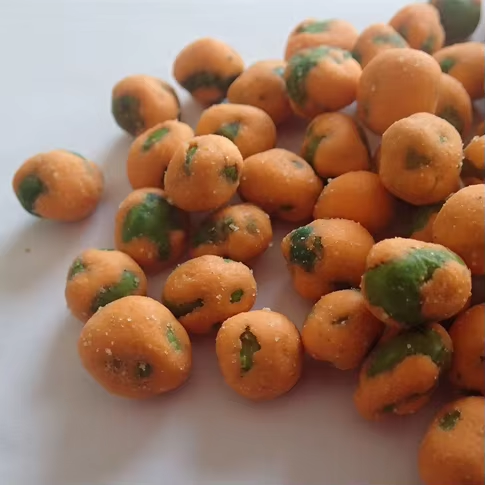
תאימות מערכת האריזה מהווה שיקול נוסף קריטי לייצור תעשייתי של חטיפים מפולי אדום ירוק. ציוד מהיר ליצירת אריזה, מילוי והדבקה (Form-Fill-Seal) ומערכות משקל מרובה-ראשיים חייבים להתאים את עצמם לטווח הגודל ולאי-הסימטריה בצורתם המאפיינת מוצרים חקלאיים. חומרי האריזה ופרמטרי ההדבקה דורשים אופטימיזציה כדי לשמור על טריות המוצר ולמנוע חדירה של לחות במהלך ההתפלגות ובהצגת הקמעונאות. טכנולוגיות אריזה באטמוספירה معدلת (MAP) וטכנולוגיות נוגדות חמצן (Oxygen Scavenger) מאריכות את תקופת האחסון על ידי בקרה על תגובות חמצון המשפיעות על הטעם, הצבע והטקסטורה. פעולות תעשיותיות המממשות אסטרטגיות אריזה מגנות אלו יכולות להשיג יעדי תקופת אחסון העולים על שישה עד שנים עשר חודשים, ולהתאים את עצמן לדרישות הקמעונאים ולתמוך בניהול מלאי יעיל.
הإنتاج הגלובלי של פיסות אפונה עולה על כמה מיליאון טונות מדי שנה, ואזורים מרכזיים לגידולן כוללים את צפון אמריקה, אירופה ואסיה, מה שמספק אפשרויות מגוונות לאספקה לייצרני חטיפים תעשייתיים. הזמינות של פיסות אפונה הן גם בטבעת ובצורה קפואה מאפשרת לייצרנים לבנות שרשראות אספקה המאזנות בין מחזורי היבוא העונתיים לבין דרישות העיבוד השנתיות. לפיסות האפונה הקפואות יתרונות מיוחדים לייצור חטיפים תעשייתיים, כולל איכות עקבייה, יציבות אחסון ממושכת וירידה במורכבות הטיפול בהן לעומת המוצר הטרי שדורש עיבוד מיידי. יצרנים שמNEGOTIATING הסכמי אספקה עם יצרני חקלאות ومعבדים יכולים להבטיח התחייבות בכמויות שתומכות במטרות תכנון הייצור וניהול העלויות.
אסטרטגיות מקומית לאספקת פולות ירוקות לייצור חטיפים חייבות לקחת בחשבון הבדלים בין זנים, שיטות גידול ופרוטוקולי טיפול לאחר הקציר המשפיעים על איכות המוצר וביצועי העיבוד. הזנים הנבחרים ליישומים תעשייתיים של חטיפים מפגינים בדרך כלל התפלגות אחידה בגודל, מדדים עקביים של בגרות ומאפייני טעם מעולים בהשוואה לדרגות סחורה המיועדות לקינון או לשימוש כללי בשירותי המזון. הקמת קשרים ישירים עם יצרני ירקות או שיתוף פעולה עם אגודות חקלאיות متخصصות מאפשרת לייצרנים לציין דרישות גידול ולממש תוכניות בקרת איכות המבטיחות עקביות בחומר הגלם לאורך עונות הייצור.
ייצור מוצרי חטיפים תעשייתיים דורש مواصفות איכות מחמירות לפליאות ירוקות נקיות, כולל פרמטרים כגון התפלגות הגודל, אחידות הצבע, שיעורי החסרונות, תכולת הרטיבות ואיכות המיקרוביאלית. מערכות מיון לפי גודל משתמשות במיינרים מכניים או אופטיים כדי לחלק את הפליאות לטווחי גודל צרים שמאפשרים לייעל את יעילות התהליך ואת המראה של המוצר הסופי. דרישות הצבע מכוונות בדרך כלל לגוון ירוק בהיר המשויך לבגרות אופטימלית ולתכולת המזון, ומדידות צבעוניות מספקות הערכה איכותית אובייקטיבית. סף החסרונות מתמודד עם בעיות כגון פליאות שבורות, יחידות מוזרחות, זיהום בחומר זר ונזק על ידי חרקים, אשר פוגעים באיכות המוצר ובקבלה על ידי הצרכן.
דרישות תכולת הרטיבות לחומרים הנכנסים של פולי אדום קפואים או טריים משפיעות על פרמטרי עיבוד והתכונות הסופיות של המוצר. התפעול התעשייתי קובע טווחי יעד לרטיבות שמאפשרים בלנשינג ויבוש יעילים תוך מינימיזציה של צריכת האנרגיה וזמן העיבוד. סטנדרטים לאיכות המיקרוביאלית עוסקים בספירת הלוחות הכוללת, בקטריות קוליפורם ובאורגניזמים פתוגניים, עם פרוטוקולי אימות הכוללים דרישות לתעודת ניתוח ובדיקות מחוץ לחברה במחזוריות. יצרנים המממשים תוכניות איכות מקיפות לחומרים נכנסת מפחיתים את השונות בעיבוד, ממזערים את שיעורי הדחייה ומבטיחים את ההתאמה לתקנות הבטיחות המזון ששולטות בתכונות המוצר הסופי.
הנראות הכלכלית של פולי אפונה ירוקה לייצור מוצרי חטיפים תלויה בעלויות החומר הגלמי ביחס למרכיבים חלופיים, יעילות התהליך, שיעורי התפוקה ותעריפי השוק למוצרים המוגמרים. לפולי האפונה הירוקה בדרך כלל עלויות חומר גלמי מתונות בהשוואה לאגוזים יקרים או לגרגרי דגנים אקזוטיים, תוך הצעת פרופילים תזונתיים עליונים בהשוואה לטחינה קומודיטי או לסובסטרטים מבוססי דגנים. עלויות התהליך לפולי אפונה כוללות את דרישות האנרגיה לבישול מקדים וליבון, כוח אדם להפעלת הציוד ולמערכת ניטור האיכות, ועלויות המרכיבים לקישוטים ולבישולים. יצרנים המבצעים ניתוח עלויות מפורט מעריכים את סך העלויות הכוללות ("total landed costs"), הכוללות רכישת חומר גלמי, פעולות עיבוד, חומרי אריזה ולוגיסטיקת הפצה.
אופטימיזציה של היבוא מהווה גורם קריטי לביצועים הכלכליים בייצור חטיפים מפולי אדום. אובדן יבוא מתרחש במהלך הפעולות של בישול קצרצר, ייבוש, כיסוי ואריזה, ואובדן היבוא המצטבר עלול להגיע ל-15–25 אחוזים, בהתאם לייעול הציוד ולדרישות המוצרים. יצרנים המממשים בקרת תהליכים שממזערת עיבוד יתר, מפחיתה נזק הנגרם לטיפול ומייעלת את קצב יישום הכיסוי משפרים את ביצועי היבוא ומעלילים את הרווחיות. השוואת עלויות החומרים הגלמיים, מתוקנות לפי יבוא, לעומת מחיר המוצר הסופי חושפת את מבנה השווחים שקובע את היתכנות המסחרית ומאפשר לקבוע החלטות השקעה בנוגע לעדכון ציוד, הרחבת קיבולת והטלות לפיתוח שווקים.
הביקוש של הצרכנים לאופציות למתיקות מזינות ממצב את הפולות הירוקות בעמדת יתרון בתוך הקטע של בריאות ורווחה, שם חלבונים צמחיים, תוספות עשירות בסיבים ורכיבים עם תוויות נקיות קובעים את החלטות הקנייה. מחקר שוק מצביע על עלייה בביקוש של הצרכנים למתיקות שמספקות תזונה פונקציונלית ללא רמות גבוהות מדי של נתרן, סוכרים מוספים או רכיבים מלאכותיים. הפולות הירוקות לייצור מתיקות עומדות בדרישות אלו בזכות ערכן התזונתי הגבוה, דרישות העיבוד המינימליות שלהן והתאמה להצהרות רכיבים פשוטות. יצרנים שמפתחים מתיקות מפולות ירוקות יכולים לנצל אסטרטגיות מיקוד בריאותיות שמדגישות את תוכן החלבון, תרומת הסיבים והעוצמה המיקרו-מזונית כדי להבדיל את המוצרים שלהם בתוך קטגוריות המתיקות התחרותיות.
תקשורת שיווקית לממתקי פולות ירוקות מתחילה מהזדהות חזותית עם ירקות טריים ואוטנטיות חקלאית, ותומכת בסיפורים סביב רכיבים שלמים ומקור שקוף. מחקרים על תפיסת הצרכן חושפים שממתקי ירקות זוכים לקשר חיובי עם תזונה ובריאות בהשוואה לחלופות המבוססות על דגנים או תפוחי אדמה. יצרנים תעשייתיים שמנצלים את היתרונות התפיסתיים הללו דרך עיצוב אריזות, מסרים מותגיים ומיקום קמעונאי יכולים לדרוש מחיר פרימיום ולמשוך קבוצות צרכנים שמתמקדות בבריאות. בנוסף, ממתקי פולות ירוקות מושכים קבוצות תזונתיות מסוימות, כולל צמחונים, טבעונים ופלקסיטריאנים, המחפשים אפשרויות ממתקים מבוססי צמחייה שמתאימות להעדפות הטעמיות שלהם תוך תמיכה במטרות תזונתיות.
התכונות החושיות של פולי אפונה ירוקים לייצור פרוסות לטעימה כוללות טעם בסיסי עדין מתוק ומעט קשוח, שמתאים לפרופילים מגוונים של תיבול. התפתחות הטקסטורה במהלך העיבוד יוצרת שטח חיצוני קריש ומרכז רך שמספק הרגשה פה-נעים ומשוב שמעי מספק במהלך האכילה. בדיקות קבלה על ידי הצרכן מראות שפרוסות אפונה ירוקות מעובדות כראוי משיגות ציונים גבוהים של נאהות בקרב קבוצות דמוגרפיות שונות כאשר הן מוצגות בשילוב עם מערכות טעמים מושכות. יישומים מלוחים הכוללים מלח ים, חומץ, ברביקיו וטעמי גבינה מהווים אפשרויות פופולריות, בעוד שקומבינציות טעמים חדשניות הכוללות תיבולים אתניים, פרופילים חריפים ומרכיבים עשירים באומאמי מרחיבים את המגמה השוקית.
הגמישות הטעמית באגוזי פול ירוקים מאפשרת לייצרנים לפתח תיקי מוצרים מורחבים שמתאימים להעדפות הצרכניות השונות ולדפוסי צריכה המבוססים על מקרים ספציפיים. יכולות ייצור תעשייתיות התומכות במגוון טעמים (SKUs) דורשות הליכי המרה יעילים, פרוטוקולי ניקוי אפקטיביים ומערכות ניהול אלרגנים שמונעות זיהום צולב בין מחזורי ייצור. יצרנים המאזנים בין מגוון המוצרים לקושי הפעלי יכולים למקסם את תכנון הייצור, למזער את עצירת המכונות ולשמור על יעילות עלות, תוך כדי מסירה של מגוון טעמים שמרשתות דורשות לצורך הקצאת מקום במתקנים ומעורבות הצרכנים.
אשכוליות ירוקות מציעות הזדמנויות להבחנה בתוך קטגוריות של מוצרי חטיפים ששלטו בהם צ'יפס תפוחי אדמה, מוצרי חטיף מבוססי תירס ותערובות אגוזים. זהות הסובסטרט הייחודית של האשכוליות הירוקות מספקת הבחנה חזותית מדפים קמעונאיים ותומכת באסטרטגיות עמידת המותג שמדגישות חדשנות ועליונות תזונתית. יצרנים תעשייתיים הנכנסים או מרחיבים את פעילותם בשווקי החטיפים יכולים לנצל את האשכוליות הירוקות לייצור חטיפים כפלטפורמה לחדשנות מוצר אשר משכה את תשומת הלב של הצרכנים ויוצרת רכישות ניסיון. ניתוח תחרות מגלה שמוצרי חטיף מבוססי ירקות, ובמיוחד אלו הכוללים מרכיבי מזון שלמים ומוכרים, נהנים מיכולת לקבוע מחירים פרמיאליים ומערכת מיקום מועדפת בערוצים הקמעונאיים של מזון טבעי ואורגני.
אסטרטגיות הפצה של חטיפים מפולי אדום חייבות להתמודד עם העדפות הערוצים, מבני תמחור ודרישות שיווקיות שמשתנות בין ערוצי קניות קונבנציונליים, ערוצי ספורטיביות טבעוניים/אורגניים, מסעדות ושירותי מזון, וערוצים ישירים לצרכן. ערוצי קמעונאות קונבנציונליים דורשים תמחור תחרותי, תמיכה שיווקית והסדרות מקומות במלאי (slotting allowances) המשפיעות על הרווחיות ושוואים של חדירה לשוק. ערוצי טבעוני ואורגני מעדיפים שקיפות רכיבים, אישורים לתחום הסostenability (קיימות) ואותנטיות המותג – גורמים שמתאימים היטב למיקום השווקי של פולי אדום. יישומים בשירותי מזון, כולל מסעדות תאגידיות, מוסדות בריאות ומוסדות חינוך, נותנים ערך לאפשרויות בקרת порציה, צפיפות תזונתית ונהלים לניהול אלרגנים – נושאים שחטיפים מפולי אדום יכולים להתמודד עמם באופן יעיל.
אשכוליות ירוקות לייצור פריטי חטיף דורשות בדרך כלל רמת לחות בין 12% ל-18% לפני הפעלת השכבה, בהתאם למערכת השכבה ולמאפייני הדבקות הרצויים. טווח הלחות הזה מספק את ההידרציה המשטחית הדרושה כדי לסייע באחיזת השכבה, מבלי להכניס מים נוספים שיכולים לפגוע ביציבות המוצר או להאריך את זמני היבוש הסופיים. בתהליכי ייצור תעשייתיים משתמשים במבחני לחות ומערכות ניטור אינליין כדי לאשר את רמת הלחות לפני תחנות השכבה, ובכך מבטיחים עקביות באיכות המוצר לאורך כל סדרות הייצור.
גרגרי פול סגול מעובדים כראוי לייצור חטיפים יכולים לשמור על החריפות שלהם למשך שישה עד שנים עשר חודשים כאשר הם מארזים בסרטים המונעים חדירה של לחות, עם הגנה מתאימה מפני חמצן ואור. השגת תקופת מגורים ארוכה דורשת הפחתת רמת הלחות הסופית למטה מארבעה אחוזים, יישום אריזה באטמוספירה משונה, והוספת סוכני ספיגת חמצן או ניקוז באזוט במהלך פעולות החסימה. תנאי האחסון, כולל בקרת הטמפרטורה וניהול הרطיבות, משפיעים גם הם על שימור הרצינות, כאשר סביבות קרירות ויבשות שומרות על החריפות בצורה יעילה יותר מאשר תנאים משתנים.
אשכוליות ירוקות מציעות יתרונות מבחינת זמן עיבוד ודרישות האנרגיה בהשוואה לאפונה, אשר דורשות תקופות בישול ארוכות יותר ויבוש אינטנסיבי יותר בשל תוכן הרטיבות ההתחלתי הגבוה והמבנה הצפוף שלהן. אשכוליות ירוקות לייצור חטיפים מספקות גם טעם בסיס עדין יותר שמתאים לטווח רחב יותר של תיבולים, בעוד שאפונה מעבירה טעם בולט יותר של קטניות המגביל את הגמישות הטעמית. שני המרכיבים מציגים פרופילים תזונתיים חזקים, אך בדרך כלל מחיר האשכוליות הירוקות נמוך יותר לקילוגרם, ויש להן דבקות מוצלחת יותר של כיסוי בעקבות מאפייני הפנים הפוריים שלהן לאחר העיבוד.
פגמים איכותיים נפוצים בשעועית ירוקה לייצור פרוסות ללחשה כוללים התפצלות מוגזמת במהלך הבישול הקצר, ייבוש לא אחיד שיוצר הבדלים ברמות הרטיבות בתוך שעוועית בודדת, איבוד צבע עקב חשיפה ממושכת לחום, וקשיחות של הטקסטורה כתוצאה מעיבוד יתר. דאגות נוספות כוללות זיהום בחומר זר, נזק מחרקים בחומרים הגלמיים, וגדילה מיקרוביאלית הנובעת מעיבוד תרמי בלתי מספיק או כשלים בבקרת הרטיבות. תוכניות הביקורת האיכותית התעשייתיות מתמודדות עם הסיכונים הללו באמצעות בדיקת חומרים נכנסת, מעקב אחר התהליך, ובדיקות על המוצר הסופי שמאשרות את התאמה לדרישות המוגדרות מראש.

 EN
EN

 חדשות חמות


