Commercial snacking has undergone a profound transformation in recent years, with buyers and consumers increasingly demanding products that align with health-conscious lifestyles and sustainable sourcing practices. Roasted edamame beans have emerged as a compelling solution that bridges the gap between profitability and consumer expectations. These protein-packed legumes deliver the nutritional credentials that modern snacking requires while offering food manufacturers and distributors a versatile, shelf-stable product category that commands premium pricing. Understanding how roasted edamame beans meet commercial snack needs is essential for any business looking to expand its portfolio or respond to shifting market demands.
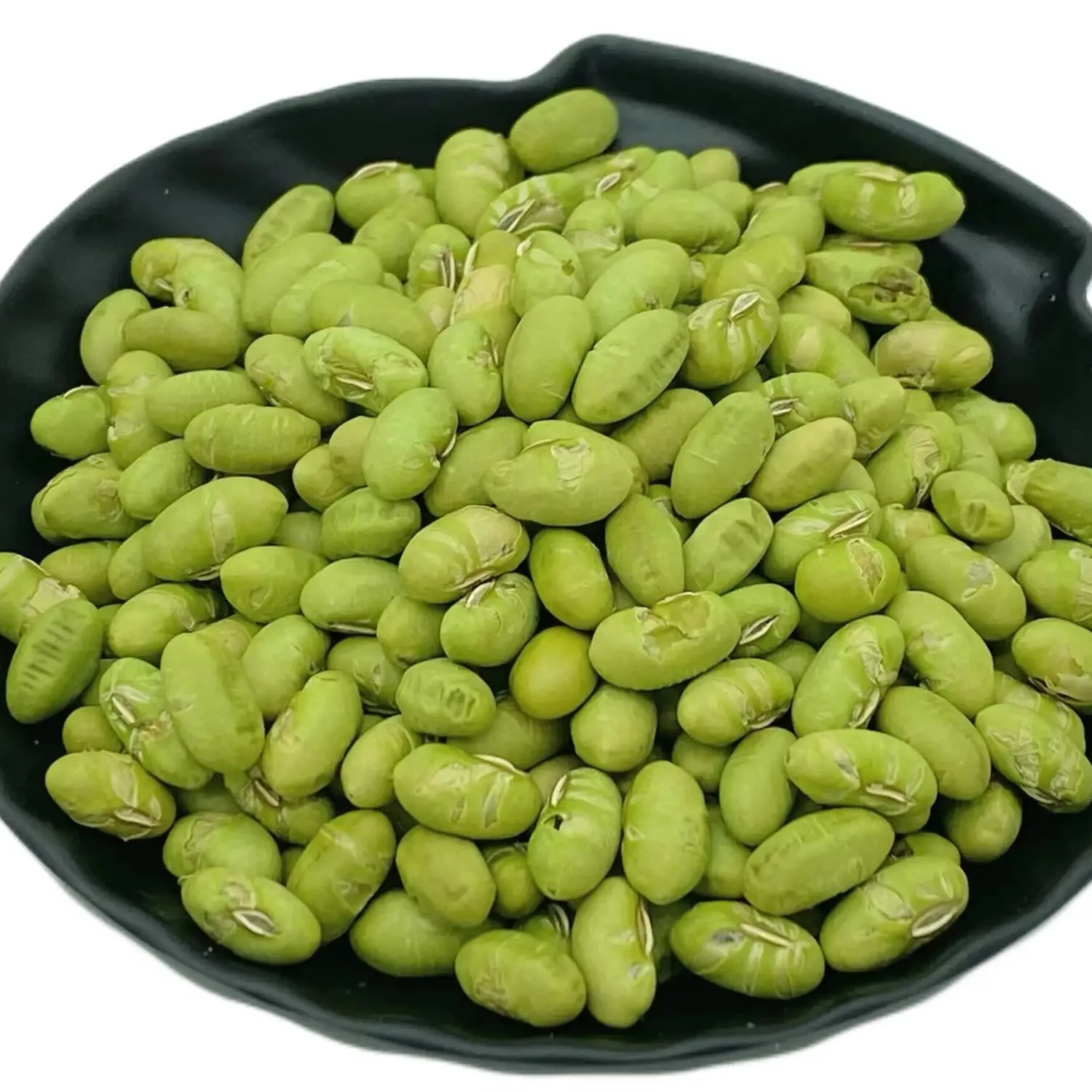
The commercial snacking landscape values ingredients and products that deliver multiple benefits simultaneously. Roasted edamame beans excel in this environment because they combine clean-label appeal, significant protein content, dietary fiber, and naturally appealing taste profiles that require minimal processing or artificial enhancement. Manufacturers and food service operators are discovering that roasted edamame beans integrate seamlessly into existing distribution channels, require straightforward storage infrastructure, and generate consistent consumer interest across demographic segments. This article explores the specific ways that roasted edamame beans address commercial snacking requirements, from supply chain efficiency to end-consumer satisfaction metrics.
One of the primary reasons roasted edamame beans have gained traction in commercial snacking is their exceptional protein density. Each serving delivers approximately 11 grams of plant-based protein, positioning roasted edamame beans as a direct competitor to traditional protein snacks while maintaining a vegan-friendly designation. Commercial buyers understand that protein-forward snacking drives repeat purchases and supports consumer nutrition goals, which directly translates to sustained demand. For businesses developing private-label snack lines or expanding existing portfolios, roasted edamame beans offer a straightforward way to meet 'high-protein' marketing claims without requiring protein isolates or synthetic additives.
The satiety performance of roasted edamame beans extends their commercial appeal beyond the initial purchase decision. Consumers who choose roasted edamame beans as a mid-day snack experience prolonged fullness compared to grain-based or carbohydrate-heavy alternatives, which reduces the likelihood of secondary snacking occasions. This performance characteristic creates stronger brand loyalty and improves unit economics for retailers managing shelf space allocations. Manufacturers incorporating roasted edamame beans into snack mixes or standalone offerings frequently observe higher customer satisfaction scores and improved Net Promoter Scores, metrics that directly influence retail buyer confidence and reorder volumes.
Clean-label sourcing has become non-negotiable in commercial food markets, and roasted edamame beans naturally align with this expectation. These legumes require minimal processing to achieve shelf-stable, market-ready form, which means manufacturers can confidently communicate simple ingredient lists. The transparency around roasted edamame beans production methods reassures institutional buyers, food service operators, and retail chains that the product meets current food safety standards and emerging regulatory requirements. This straightforward allergen profile—while containing legume proteins—simplifies labeling compliance and reduces the risk of costly recall situations that plague more complex snack formulations.
Roasted edamame beans benefit from established agricultural networks and processing infrastructure across major producing regions, which ensures reliable supply availability even as commercial demand scales upward. Unlike specialized or exotic snacking ingredients, roasted edamame beans integrate into conventional legume supply chains with minimal operational friction. Commercial buyers appreciate this reliability because it eliminates the inventory disruption and margin compression that accompany product shortages. Manufacturers scaling production of roasted edamame beans snacks can work with suppliers who have invested in quality control systems, traceability protocols, and volume capacity to support growing brand ambitions without requiring custom sourcing arrangements.
The global availability of roasted edamame beans also supports multi-region expansion strategies for commercial food brands. Whether a company aims to enter Asian markets where these products have deep consumer familiarity or North American and European markets where they represent newer categories, roasted edamame beans production methods and ingredient sourcing remain consistent. This geographic flexibility allows manufacturers to standardize formulations, streamline packaging operations, and leverage economies of scale across different market territories. Commercial operations that depend on predictable cost structures benefit significantly from roasted edamame beans' stable commodity pricing and minimal supply volatility.
Roasted edamame beans exhibit excellent shelf stability when stored in moisture-controlled environments, which translates to reduced waste and improved profit margins for distributors and retailers. The natural moisture content of roasted edamame beans drops to levels that inhibit microbial activity without requiring aggressive drying that damages nutrient profiles or alters taste characteristics. Commercial food operations discover that roasted edamame beans require standard ambient storage infrastructure—no refrigeration, controlled-atmosphere warehouses, or specialized packaging beyond basic moisture barriers. This operational simplicity reduces overhead costs and allows smaller distributors to carry roasted edamame beans products without infrastructure investments that larger competitors might require for temperature-sensitive or specialty snack categories.
Contemporary consumer segments increasingly prioritize snacks that support broader wellness objectives, and roasted edamame beans align seamlessly with plant-based, high-protein, and whole-food snacking trends. Manufacturers positioning roasted edamame beans within these lifestyle narratives resonate with demographic segments that influence purchasing decisions across food categories. The plant-forward credentials of roasted edamame beans appeal to flexitarian consumers, vegetarian households, and environmentally conscious buyers who view snacking choices as expressions of personal values. Commercial food brands that emphasize roasted edamame beans' sustainability profile—reduced environmental footprint compared to animal-protein snacks, nitrogen-fixing agricultural benefits, and renewable sourcing—differentiate themselves in crowded snack markets while building authentic connections with target audiences.
Roasted edamame beans also integrate effectively into functional snacking narratives that emphasize sustained energy, metabolic support, and nutrient density. Unlike trend-driven snack categories that fade as consumer interest shifts, roasted edamame beans represent a durable wellness positioning that supports consistent sales across product cycles. Commercial buyers recognize that roasted edamame beans products experience fewer demand fluctuations tied to seasonal trends or social-media-driven fads, which enables more accurate inventory forecasting and reduces markdown exposure. Manufacturers developing multi-SKU snack portfolios frequently anchor their offerings around roasted edamame beans as a core product that stabilizes revenue while supporting exploration of adjacent flavor profiles or format innovations.
The neutral taste foundation of roasted edamame beans enables manufacturers to develop diverse flavor expressions that appeal to various consumer preferences within commercial snacking channels. From traditional savory preparations to global spice profiles, teriyaki, sriracha, and beyond, roasted edamame beans accommodate experimentation without requiring significant reformulation or ingredient sourcing complexity. This flavor flexibility allows commercial brands to maintain product differentiation while leveraging the same core ingredient, production methods, and supplier relationships. Retailers observe that roasted edamame beans products with varied flavor options experience higher category engagement, as consumers exploring the snacking aisle discover multiple reasons to choose this product type.
Roasted edamame beans support commercial-scale production because they require straightforward processing infrastructure, integrate into established legume supply chains, and deliver consistent nutritional profiles across batches. Manufacturers can scale production volumes without proprietary equipment, specialized personnel, or experimental formulation work that delays market entry or increases risk exposure.
Retailers allocate shelf space based on sales velocity, profit margins, and consumer demand signals. Roasted edamame beans products demonstrate strong turnover rates, support premium pricing within snacking categories, and generate repeat purchases through satiety and nutritional benefits that keep consumers returning to the category. This performance justifies dedicated shelf placement and encourages retailers to expand roasted edamame beans offerings.
Yes, roasted edamame beans function effectively across retail grocery, natural/organic channels, food service, online snacking platforms, and convenience store formats. The product's clean-label profile, shelf stability, and consistent consumer demand enable manufacturers to distribute roasted edamame beans through diverse commercial pathways without reformulation or quality compromises.

 EN
EN





 Hot News


