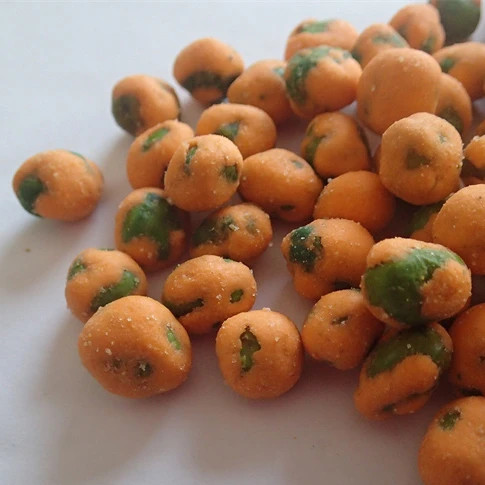
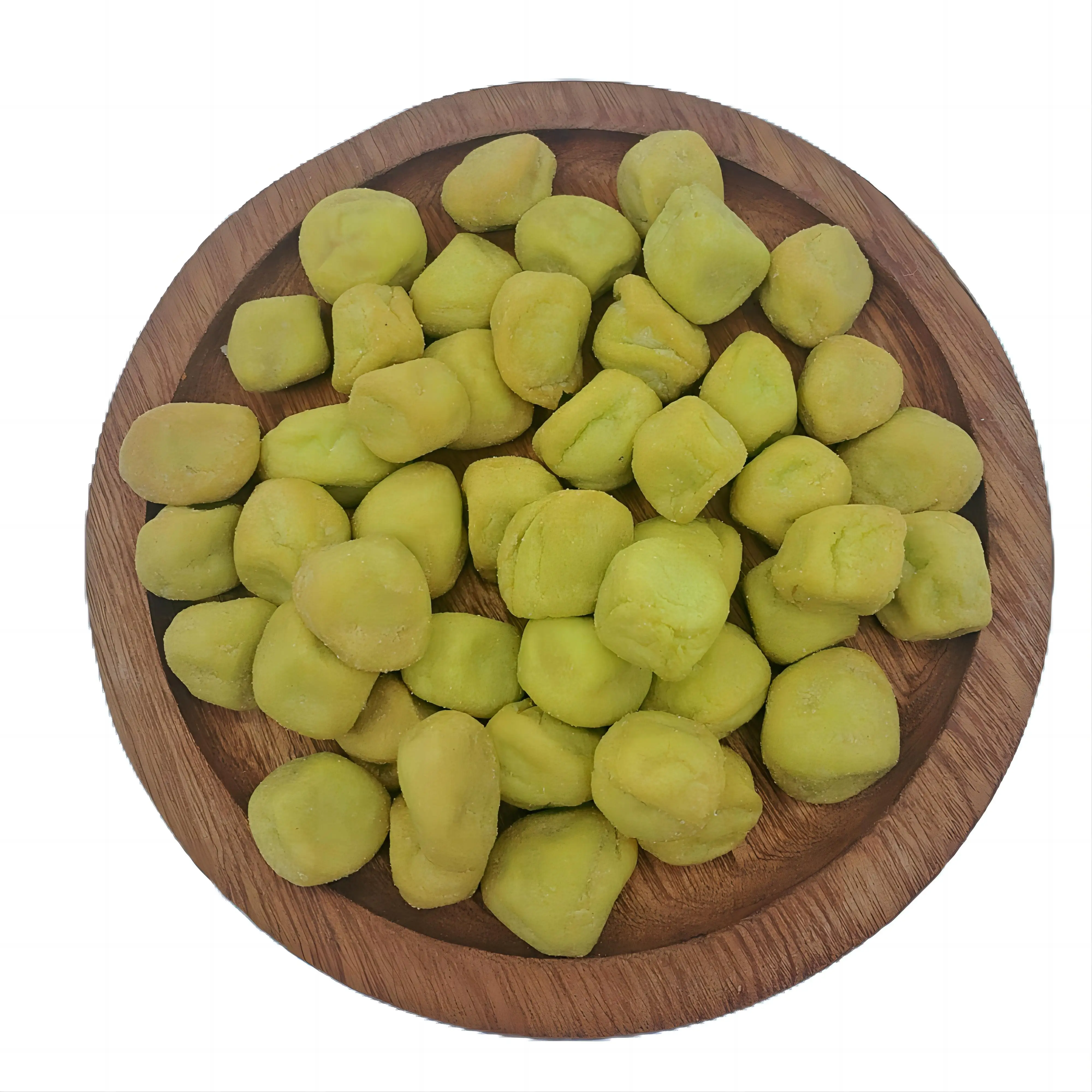
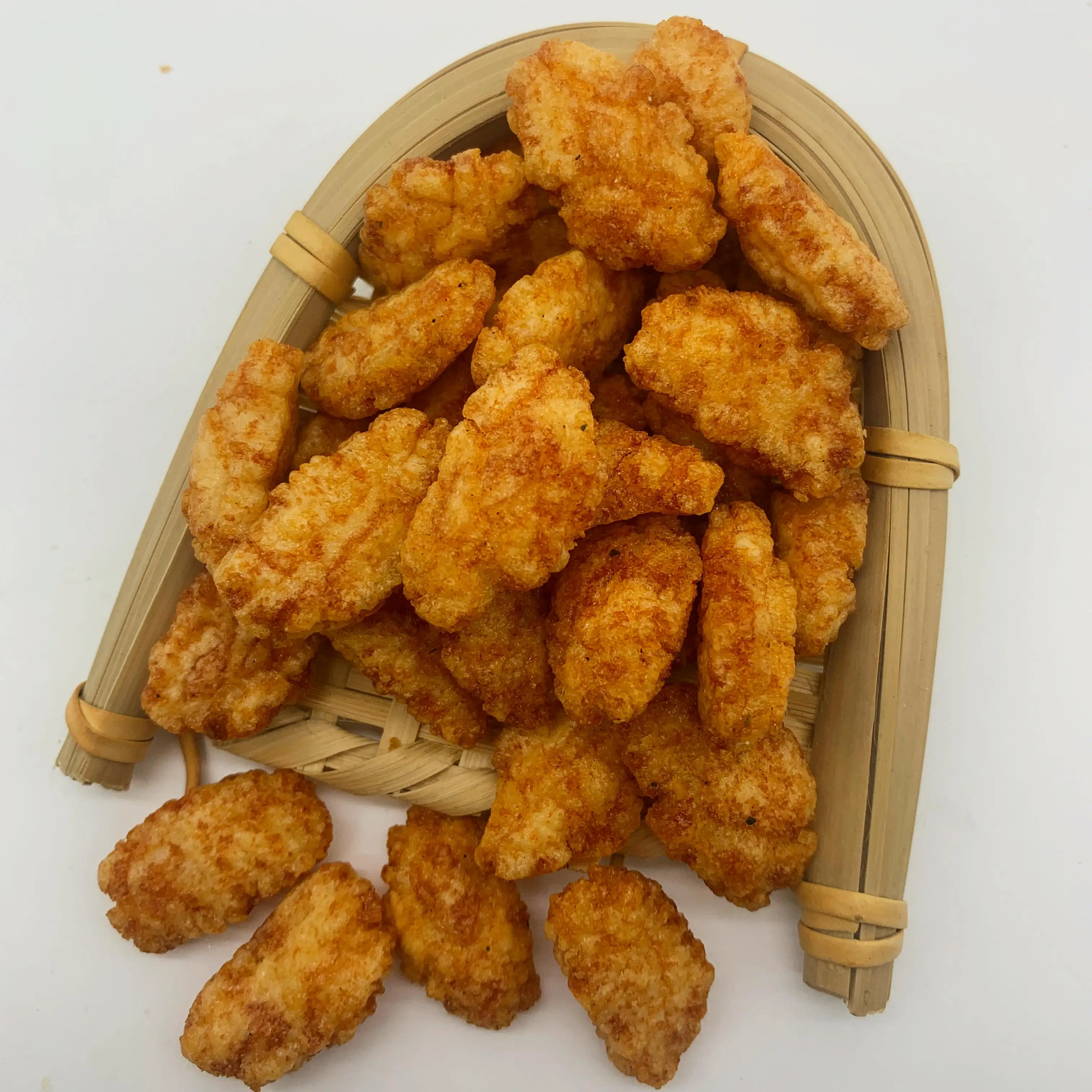
A egészséges harapnivalók globális piaca rekordnövekedésen ment keresztül, és a pörkölt edamame bab termékek vezetik a premium fehérjét tartalmazó harapnivalók szegmensét. Ahogy a nemzetközi kereslet továbbra is növekszik, a kiviteli szállítmányok minőségének konzisztenciájának biztosítása kulcsfontosságú tényezővé vált a gyártók és forgalmazók számára, akik versenyelőnyüket szeretnék megőrizni a különféle piacokon. A pörkölt edamame bab termékek kiviteli szabványai több rétegű minőségbiztosítást foglalnak magukban – a mezőgazdasági beszerzéstől kezdve a végső csomagolási előírásokig –, így átfogó keretrendszert alkotva, amely mind a fogyasztókat, mind a márkák integritását védik a nemzetközi határokon át.
A megpörkölt edamame bab szállítmányainak modern exportprotokolljai szigorú biztonsági szabványok betartását követelik meg, amelyek jelentősen eltérnek az egyes célországokban. Ezek a szabályozások a növényvédőszer-maradványokra vonatkozó határértékektől kezdve a feldolgozóüzemek tanúsításáig mindenre kiterjednek, így összetett megfelelési mátrixokat hoznak létre, amelyeket az exportőröknek sikeresen kell kezelniük. E követelmények megértése elengedhetetlen a piaci hozzáférés fenntartásához és a költséges szállítmány-elutasítások elkerüléséhez, amelyek károsíthatják a hosszú távú üzleti kapcsolatokat.
A veszélyelemzés és kritikus irányítási pontok (HACCP) tanúsítványa a modern, pirított edamame bab exportjának megfelelőségének alapját képezi, és rendszerszerű módszereket állít fel a lehetséges élelmiszer-biztonsági kockázatok azonosítására és ellenőrzésére a termelési folyamat során. A pirított edamame bab gyártására vonatkozó HACCP-protokollok részletes dokumentációt követelnek meg a kritikus irányítási pontokról, ideértve a pirítási fázisok során a hőmérséklet-ellenőrzést, a nedvességtartalom ellenőrzését és a szennyeződés megelőzésére szolgáló intézkedéseket. Ezek a komplex rendszerek biztosítják, hogy minden tétel megfeleljen az előre meghatározott biztonsági kritériumoknak, mielőtt a nemzetközi kereskedelmi csatornákba kerülne.
Az HACCP-szabványok bevezetése a pirított edamame bab termelésében kiterjedt képzési programokat, rendszeres berendezések kalibrálási ütemterveit és folyamatos minőségellenőrző rendszereket igényel, amelyek valós idejű nyomon követik a termék minőségi mutatóit. A kiviteli létesítményeknek részletes nyilvántartást kell vezetniük minden ellenőrzési pont mért értékeiről, auditnyomvonalakat létrehozva, amelyek bizonyítják a meghatározott biztonsági protokollokhoz való folyamatos ragaszkodást. Ezek a dokumentációs követelmények különösen fontossá válnak nagy mennyiségű exportrendelés esetén, amelyekre fokozott szabályozási felügyelet vonatkozhat.
Az ISO (Nemzetközi Szabványügyi Szervezet) tanúsítások további minőségbiztosítási keretrendszereket nyújtanak, amelyek kiegészítik a HACCP-követelményeket, és szervezeti menedzsmentgyakorlatokat határoznak meg a folyamatosan magas minőségű pirított edamame bab termelés támogatására. Az ISO 22000 tanúsítás kifejezetten az élelmiszer-biztonsági menedzsmentrendszerekre vonatkozik, és részletes dokumentációt követel meg a folyamatokról, eljárásokról és teljesítménymutatókról, amelyek bizonyítják a szervezet elköteleződését a minőségi kiválóság iránt. Ezek a szabványok rendszeres megközelítést biztosítanak a folyamatos fejlődéshez, lehetővé téve, hogy a kiviteli vállalkozások gyorsan alkalmazkodjanak a változó piaci követelményekhez.
A pirított edamame bab exportműveletek ISO tanúsításának fenntartása rendszeres belső auditokat, vezetőségi felülvizsgálatokat és harmadik fél általi értékeléseket igényel, amelyek igazolják a meghatározott minőségirányítási elvekkel való folyamatos megfelelést. Ezek a tanúsítási programok a minőségellenőrzés megelőző megközelítésére helyezik a hangsúlyt, ösztönözve a lehetséges problémák proaktív azonosítását és megoldását még mielőtt azok befolyásolnák a termék minőségét vagy az exportra vonatkozó megfelelőséget. Az így kialakított minőségirányítási rendszerek erős alapot nyújtanak a fenntartható exportnövekedéshez a versengő nemzetközi piacokon.

A kiviteli piacok egyre inkább részletes táplálkozás-értelemben vett tájékoztatást követelnek a pirított edamame bab termékekhez, amelyek pontos megadását igénylik a fehérjetartalom, a rosttartalom, a vitaminok koncentrációja és az ásványi anyagok összetétele, hogy megfeleljenek a célpiacokra vonatkozó címkézési előírásoknak. Ezek az előírások jelentősen eltérnek egymástól a különböző piacokon: egyes joghatóságok részletes aminosav-profilok megadását követelik, míg mások elsősorban az alapvető makrotápanyagok deklarálására helyezik a hangsúlyt. Ezeknek az eltéréseknek a megértése elengedhetetlenül fontos a megfelelő címkézési stratégiák kidolgozásához, amelyek támogatják a piacra lépési célok elérését.
A megpörkölt edamame bab exportjára vonatkozó táplálkozás-tesztelési protokolloknak akkreditált laboratóriumi létesítményeket kell igénybe venniük, amelyek szabványosított analitikai módszereket alkalmaznak, és amelyeket a célpiacok szabályozó hatóságai elismertek. Ezek a tesztelési programok általában a fehérje minőségének, a zsírösszetételnek, a szénhidrát-profiloknak és a mikrotápanyag-koncentrációknak az elemzését foglják magukban, hogy pontos címkézési nyilatkozatok készíthetők legyenek. A rendszeres tesztelési ütemtervek biztosítják, hogy a táplálkozási információk naprakészek maradjanak, és valósághűen tükrözzék a termék tényleges összetételét, ezzel csökkentve a címkézési szabályozási problémák kockázatát az export ellenőrzése során.
Az allergének kezelése kritikus eleme a pirított edamame bab exportjának megfelelőségének, különösen tekintettel a célpiacokon egyre gyakoribb szója-allergiákra és a közös feldolgozóüzemekből eredő lehetséges keresztszennyeződési kockázatokra. Az exportszabványok egyértelmű allergén összetevők azonosítását, a termelési ciklusok közötti átfogó tisztítási protokollokat és a bejelentetlen allergének hiányának igazolását szolgáló vizsgálati programokat követelnek meg. Ezek a intézkedések a fogyasztók védelmét szolgálják, miközben csökkentik az exportőrök és importőrök felelősségi kockázatait.
Az égetett edamame bab gyártóüzemei számára hatékony allergén-ellenőrzési programok közé tartozik a szakosított személyzeti képzés, a szétválasztott tárolási rendszerek és azoknak a tisztítási eljárásoknak az érvényesítése, amelyek kizárják a keresztszennyeződés lehetőségét. A dokumentációra vonatkozó követelmények közé tartoznak a tételnaplók, a tisztítás ellenőrzésének eredményei, valamint az allergéntesztelési tanúsítványok, amelyek igazolják a kiviteli piacok szabványaival való folyamatos megfelelést. Ezek a komplex megközelítések lehetővé teszik az exportőrök számára, hogy biztonságosan nyilvánítsák az allergénállapotot, miközben fenntartják a fogyasztói biztonság legmagasabb szintjét.
Exportcsomagolás pörkölt edamame bab a termékeknek megfelelő védelmet kell nyújtaniuk a nedvesség, az oxigén és a fény hatásai ellen, miközben fenntartják a termék minőségét a hosszabb szállítási és tárolási időszakok alatt. A fejlett csomagolástechnológiák közé tartozik a módosított légkörös csomagolás, az oxigén-abszorbeáló zacskók és a többrétegű gátfilmek, amelyek megőrzik a textúrát, az ízvilágot és a tápérték-integritást a nemzetközi szállítás során. Ezek a csomagolási újítások hosszabb eltarthatósági időszakokat tesznek lehetővé, és így támogatják a globális forgalmazási stratégiákat.
A megpörkölt edamame bab exportjához szükséges csomagolás érvényesítési vizsgálatai gyorsított öregedési teszteket, migrációs vizsgálatokat és valós idejű tárolási élettartam-értékeléseket foglalnak magukban, amelyek bizonyítják a csomagolás teljesítményét különböző tárolási körülmények között. Ezek a komplex vizsgálati programok biztosítják, hogy a csomagolási rendszerek fenntartsák a termék minőségét az előre látható disztribúciós ciklusok során, miközben megfelelnek az élelmiszerrel érintkező anyagokra vonatkozó szabályozási követelményeknek. A megfelelő csomagolás kiválasztása elengedhetetlenül fontos a versenyképes pozíció fenntartásához a minőségre nagy hangsúlyt fektető exportpiacokon.
A megpörkölt edamame bab termékek nemzetközi szállítása során az optimális környezeti feltételek fenntartása kifinomult logisztikai koordinációt és figyelőrendszereket igényel, amelyek a hőmérsékletet és páratartalmat az egész ellátási láncban nyomon követik. A kiviteli szabványok meghatározzák a megengedett hőmérsékleti tartományokat, páratartalom-korlátokat és figyelési protokollokat, amelyek megakadályozzák a minőségromlást a tengeri, légi és földi szállítás egyes szakaszaiban. Ezek a környezeti szabályozások különösen fontossá válnak a termék ropogós szerkezetének megőrzése és a penészgomba-növekedés megelőzése érdekében páratartalmas éghajlati viszonyok között.
A megpörkölt edamame bab exportjához használt fejlett szállítmányozási figyelőrendszerek közé tartoznak a valós idejű adatrögzítők, a GPS-követés és az automatizált riasztórendszerek, amelyek értesítik az érdekelt feleket a környezeti eltérésekről, amelyek veszélyeztethetik a termék minőségét. Ezek a figyelőtechnológiák lehetővé teszik a proaktív beavatkozást, ha szükséges, miközben dokumentált bizonyítékot szolgáltatnak a megfelelő kezelésről az egész exportfolyamat során. A komplex környezeti vezérlési programok támogatják a prémium pozicionálási stratégiákat, és csökkentik a minőséggel kapcsolatos vásárlói panaszok kockázatát.
Minden célpiac, amelyre sült edamame babot exportálnak, saját szabályozási keretrendszert alkalmaz az élelmiszer-import eljárásokra, biztonsági előírásokra és dokumentációs követelményekre, amelyeket alaposan meg kell érteni és folyamatosan be kell tartani. Ezek a követelmények különleges vizsgálati protokollokat, létesítmény-feliratkozási eljárásokat és termékfeliratkozási folyamatokat is magukban foglalhatnak, amelyek jelentősen befolyásolhatják a piacra jutás időkereteit és költségeit. Az egyre változó szabályozások naprakészen tartása elengedhetetlen a zavartalan exportműveletek fenntartásához.
A pirított edamame bab exportőreinek szabályozási intelligenciaprogramjai előfizetéses szolgáltatásokat, kereskedelmi szövetségek tagságát és közvetlen kommunikációs csatornákat foglalnak magukban a szabályozó hatóságokkal, amelyek időben tájékoztatást nyújtanak a változó követelményekről. Ezek az információforrások lehetővé teszik a proaktív megfelelési tervezést, és csökkentik a szállítmányok késedelmének vagy elutasításának kockázatát a szabályozási változások miatt. A teljes körű szabályozási nyomon követési rendszerek támogatják a stratégiai exporttervezést, és segítenek az új piaci lehetőségek azonosításában.
A modern szárított edamame bab exportjára vonatkozó nyomon követhetőségi követelmények kimerítő nyilvántartási rendszereket igényelnek, amelyek a termékeket a mezőgazdasági beszerzéstől kezdve az internacionális vásárlókhoz történő végső kézbesítésig nyomon követik. Ezeknek a rendszereknek részletes információkat kell rögzíteniük a nyersanyagok eredetéről, a feldolgozási paraméterekről, a csomagolás dátumáról és az értékesítési csatornákról, hogy gyorsan reagálhassanak potenciális minőségi problémákra vagy visszahívási helyzetekre. Az hatékony nyomon követhetőségi programok védik a márkanevet, miközben bizonyítják a táplálékbiztonság kiemelkedő színvonalának elköteleződését.
A pirított edamame bab exportműveleteihez használt digitális nyomkövetési platformok blockchain-technológiát, QR-kódolási rendszereket és felhőalapú adatbázisokat alkalmaznak, amelyek biztonságos, hamisíthatatlan rekordokat biztosítanak a termék útjáról. Ezek az előrehaladott rendszerek lehetővé teszik a valós idejű nyomon követést, az automatizált megfelelőségi jelentéskészítést és gyors reagálási képességet, amelyek támogatják a prémium piaci pozícionálást. A fejlett nyomkövetési infrastruktúrába történő beruházás egyre fontosabbá válik a minőségérzékeny nemzetközi piacokon való versenyelőny fenntartása érdekében.
A megpörkölt edamame bab exportjára vonatkozó átfogó minőségbiztosítási programok rendszeres vizsgálati protokollokat igényelnek, amelyek a fizikai jellemzőket, a kémiai összetételt és a mikrobiológiai biztonsági paramétereket értékelik az nemzetközileg elismert szabványok szerint. A fizikai vizsgálatok közé tartozik a textúraelemzés, a színérzékelés és a méreteloszlás-értékelés, amelyek biztosítják a termék jellemzőinek egységességét. A kémiai elemzés a táplálkozási összetevőket, az adalékanyag-szinteket és a szennyező anyagok kimutatását foglalja magában, így támogatja a szabályozási előírások betartását és a fogyasztói biztonsági célok elérését.
A pirított edamame bab termelésére vonatkozó laboratóriumi vizsgálati ütemtervek általában a beérkező nyersanyagok ellenőrzését, a folyamat közbeni felügyeletet és a késztermék ellenőrzését foglalják magukban, így több ellenőrzési pontot hoznak létre a gyártási folyamat során. Ezek a komplex vizsgálati programok akkreditált analitikai módszereket és tanúsított referenciaanyagokat használnak, amelyek biztosítják az eredmények pontosságát és megbízhatóságát. A rendszeres szakértelem-ellenőrzések és módszervalidációs vizsgálatok fenntartják az analitikai minőségi szabványokat, és támogatják az exportra vonatkozó megfelelési követelményeket.
A megpörkölt edamame bab exportjára vonatkozó mikrobiológiai vizsgálati programok a kórokozók kimutatására, a romlást okozó mikroorganizmusok ellenőrzésére és az összes mikrobiális szám ellenőrzésére irányulnak, így biztosítva a termék biztonságát a hosszú távú eltarthatósági időszak alatt. Ezeknek a vizsgálati protokolloknak kezelniük kell a megpörkölt termékekkel kapcsolatos specifikus kérdéseket is, például a hőálló mikroorganizmusokat és a feldolgozás utáni szennyeződés lehetőségét. A teljes körű mikrobiológiai programok bizalmat nyújtanak a termék biztonságában, miközben támogatják a prémium piaci pozícionálási stratégiákat.
A környezeti monitorozási programok kiegészítik a termékvizsgálatokat a gyártóüzem tisztaságának, a berendezések higiéniai állapotának és a személyzet higiéniai gyakorlatainak értékelésével, amelyek hatással vannak a pirított edamame bab termék biztonságára. Ezek a programok rendszeres mintavételt tartalmaznak a gyártási felületekről, levegőminőség-vizsgálatokat és vízminőség-ellenőrzéseket, amelyek teljes képet alkotnak az üzem környezeti feltételeiről. A környezeti monitorozási adatok trendanalízise lehetővé teszi a potenciális problémák proaktív azonosítását, mielőtt azok negatívan befolyásolnák a termék minőségét vagy biztonságát.
A megpörkölt edamame bab exportjának minőségellenőrzése a szállítók részletes minősítési programjaival kezdődik, amelyek értékelik a nyersanyag-szolgáltatók mezőgazdasági gyakorlatait, kezelési eljárásait és minőségirányítási rendszereit. Ezek a minősítési folyamatok létesítmény-ellenőrzéseket, dokumentumfelülvizsgálatokat és teljesítményértékeléseket foglalnak magukban, így biztosítva a nyersanyag minőségének és biztonsági jellemzőinek egyenletességét. Az hatékony szállítókezelési programok stabil ellátási láncokat hoznak létre, amelyek támogatják az exportálható termékek minőségének állandóságát.
A pirított edamame bab nyersanyagok szállítói teljesítményének figyelése rendszeres minőségértékeléseket, szállítási teljesítmény nyomon követését és folyamatos fejlesztési kezdeményezéseket foglal magában, amelyek a teljes ellátási láncban fenntartják a magas színvonalat. Ezek a figyelési programok kulcsfontosságú teljesítménymutatókat, pontozó rendszereket és együttműködő fejlesztési projekteket alkalmaznak, így erősítik a szállítói kapcsolatokat, miközben biztosítják a kiviteli minőségi szabványok betartását. A megbízható szállítói partnerek elengedhetetlen alapot nyújtanak a sikeres nemzetközi piaci fejlesztéshez.
A független ellenőrzés harmadik fél általi auditprogramokon keresztül további biztonságot nyújt a pirított edamame bab exportminőségének és szabályozási megfelelőségének értékelésében, objektív értékelést nyújtva a létesítmény működéséről, minőségirányítási rendszereiről és a termékjellemzőkről. Ezek az auditprogramok többek között bejelentés nélküli ellenőrzéseket, dokumentumfelülvizsgálatokat és termékmintavételt is tartalmazhatnak annak igazolására, hogy a létesítmény folyamatosan megfelel az elfogadott szabványoknak. A harmadik fél által kiadott tanúsítások növelik a nemzetközi vásárlók bizalmát, miközben minőségi kiválóság iránti elköteleződést mutatnak.
A pirított edamame bab exportlétesítmények auditelőkészítési és követő tevékenységei közé tartozik a korrekciós intézkedések tervezése, a gyökéroka-elemzés és a folyamatos fejlesztési kezdeményezések, amelyek a felismert fejlesztési lehetőségekre irányulnak. Ezek a tevékenységek az szervezet minőségfejlesztési elköteleződését mutatják, miközben biztosítják, hogy az auditok eredményei jelentős működési javulásokká alakuljanak át. A rendszeres harmadik fél általi ellenőrzés támogatja a prémium piaci pozícionálást és az ügyfelek bizalmát a termék minőségében és biztonságában.
A pirított edamame bab exportjára vonatkozó legfontosabb szabványok közé tartozik az HACCP-tanúsítvány, a teljes körű tápérték-címke-követelmények betartása, a hosszabb eltarthatóságot biztosító megfelelő csomagolási előírások, valamint a teljes nyomon követhetőséget igazoló dokumentáció. Ezeknek a szabványoknak meg kell felelniük a célország előírásainak, miközben biztosítaniuk kell a termék biztonságát, minőségi egyenletességét és a szabályozási előírások betartását az egész nemzetközi ellátási láncban. További követelmények lehetnek például specifikus vizsgálati protokollok, gyártóüzem-tanúsítványok és környezeti monitorozási programok, amelyek a célpiacoktól függően változnak.
A pirított edamame bab exportjára vonatkozó csomagolási követelmények jelentősen eltérnek a különböző piacokon: egyes országok specifikus gáttulajdonságokat írnak elő, mások meghatározott címkézési formátumokat követelnek meg, sokan pedig egyedi követelményeket állapítanak meg a csomagolóanyagokra és az élelmiszerrel érintkező anyagokra. Európai piacok gyakran a újrahasznosíthatóságra és a környezeti hatásra helyezik a hangsúlyt, míg az ázsiai piacok inkább a portiónkénti adagolásra és a kényelmi funkciókra koncentrálnak. Ezeknek az eltéréseknek a megértése elengedhetetlen a megfelelő csomagolási stratégiák kidolgozásához, amelyek támogatják a sikeres piacra lépést és a fogyasztói elfogadást.
A pirított edamame bab termékek nemzetközi exportja általában kimerítő vizsgálati protokollokat igényel, ideértve a tápanyag-összetétel elemzését, a mikrobiológiai biztonság ellenőrzését, a növényvédő szerek maradványainak vizsgálatát és az allergének kimutatását. A vizsgálatok gyakorisága és a konkrét paraméterek a célpiacoktól függően változnak: egyes országok tételenkénti vizsgálatot követelnek meg, míg mások elfogadják a periódikus ellenőrzést. Ezeket az elemzéseket akkreditált laboratóriumi létesítményeknek kell elvégezniük nemzetközileg elismert módszerekkel, és az eredményeket export engedélyezési csomag részeként dokumentálni kell.
A pirított edamame bab termelési tételének egységes minőségének biztosítása kimerítő minőségirányítási rendszerek bevezetését igényli, ideértve a szabványosított feldolgozási eljárásokat, a berendezések rendszeres kalibrálását, a statisztikai folyamatszabályozást és a szisztematikus személyzeti képzési programokat. Ezeknek a rendszereknek részletes dokumentációt kell tartalmazniuk a kritikus ellenőrzési pontokról, a minőségi mutatók trendelemzéséről, valamint olyan korrekciós intézkedési protokollokról, amelyek a változásokat az exporttel kapcsolatos megfelelőségre gyakorolt hatásuk előtt kezelik. Az előrehaladott figyelőtechnológiákba és a folyamatos fejlesztési kezdeményezésekbe történő befektetés hosszú távú minőségi egyenletességet támogat.
 Aktuális hírek
2026-09-04
2026-09-03
2026-09-02

 EN
EN