The Middle Eastern snacking landscape is undergoing a significant transformation, and rice crackers are emerging as a versatile option that bridges traditional preferences with modern health-conscious choices. As consumers across the Middle East increasingly seek convenient, nutritious alternatives to conventional fried snacks, rice crackers offer a compelling solution that aligns with both contemporary dietary trends and cultural preferences. Understanding how rice crackers fit into this evolving market requires examining consumer behavior, nutritional considerations, and the broader context of Middle Eastern snacking culture.
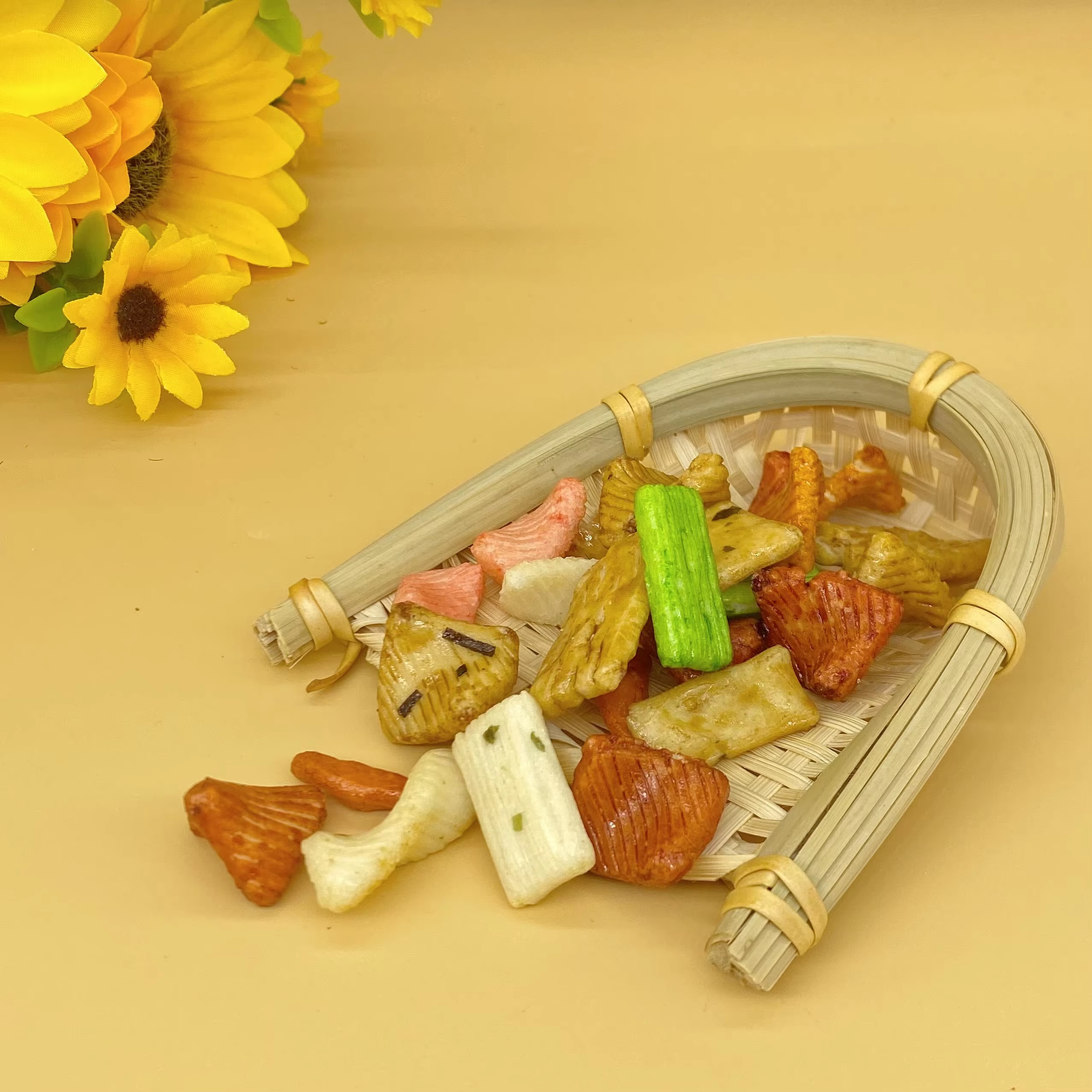
Rice crackers have gained substantial momentum in Middle Eastern markets due to their adaptability and clean label appeal. Unlike heavily processed snacks, rice crackers can be positioned as a lighter, more wholesome option that doesn't compromise on taste or satisfaction. The integration of rice crackers into Middle Eastern snack trends reflects a broader shift toward plant-based, gluten-conscious, and portion-controlled snacking solutions that resonate with urban professionals, health-focused families, and younger demographics seeking alternatives to traditional savory options.
Middle Eastern consumers are increasingly aware of health implications associated with conventional fried snacks, creating a favorable environment for alternatives like rice crackers. Rice crackers typically contain fewer calories and less oil than traditional deep-fried options, making them attractive to individuals monitoring their dietary intake. This shift reflects a global wellness movement that has reached the Middle East, where busy professionals and fitness-conscious consumers actively seek snacks that provide satisfaction without excessive fat or sodium content.
The appeal of rice crackers extends beyond caloric content. Many modern rice crackers are formulated to address specific dietary preferences, including options that cater to gluten-free consumers, those avoiding artificial additives, and individuals seeking plant-based snacking solutions. In markets where digestive wellness and clean eating trends influence purchasing decisions, rice crackers position themselves as a transparent, ingredient-friendly choice that aligns with transparency expectations in the Middle Eastern food sector.
Rice crackers deliver a balanced nutritional profile that resonates with health-conscious Middle Eastern consumers. They provide carbohydrates for sustained energy without the heaviness of fried alternatives, making them suitable for daytime snacking and pre-workout consumption. The perception of rice crackers as a 'lighter' snack category has been reinforced by wellness influencers and nutritionists throughout the Middle East, positioning these products favorably against chips, fried pastries, and other indulgent options.
Additionally, rice crackers can be enriched with seeds, nuts, or whole grains, elevating their nutritional credentials and appealing to consumers seeking protein-enhanced or fiber-rich snacking solutions. This customization flexibility allows rice crackers to address evolving nutritional preferences within the Middle Eastern market, where consumers increasingly evaluate snacks based on ingredient transparency and functional benefits.
Successful rice crackers in the Middle Eastern market incorporate flavor profiles that honor regional preferences while maintaining the product category's inherent appeal. When infused with sesame, za'atar, sumac, or other regional spice blends, rice crackers bridge the gap between modern snacking convenience and traditional Middle Eastern taste expectations. This flavor integration strategy ensures that rice crackers don't feel foreign or disconnected from local culinary identity, but rather appear as a natural evolution of existing snacking traditions.
The versatility of rice crackers as a carrier for traditional spices and seasonings gives manufacturers significant room for innovation. Consumers in the Middle East increasingly appreciate products that respect their cultural food heritage while offering contemporary convenience. Rice crackers infused with regional flavors satisfy this dual requirement, positioning them as products that enhance rather than replace established snacking practices, making their adoption more culturally aligned and socially acceptable.
Rice crackers have successfully positioned themselves as an accessible middle ground between premium imported snacks and budget-conscious options available in Middle Eastern retail environments. This positioning strategy allows rice crackers to reach diverse consumer segments, from upper-middle-class professionals seeking healthier alternatives to value-conscious families balancing nutrition with affordability. The wide price range and availability of rice crackers across modern retail channels and traditional markets enhances their market penetration throughout the region.
Retailers across the Middle East have recognized rice crackers as a category that appeals to both established health-focused consumers and those transitioning toward more conscious snacking habits. The ease with which rice crackers integrate into existing product displays and snacking sections demonstrates their natural fit within modern retail strategies across the region.
Rice crackers appeal strongly to urban professionals, young adults, and health-conscious parents throughout the Middle East who seek convenient snacking solutions aligned with busy lifestyles. These demographics actively consume snacks throughout their workday, during social gatherings, and as part of their daily wellness routines. Rice crackers fit seamlessly into these consumption occasions, offering portability, satisfaction, and nutritional credibility that traditional alternatives may not provide.
Families with children represent another significant demographic for rice crackers, as parents increasingly prefer snacks perceived as wholesome and safe for developing bodies. Rice crackers avoid the greasy residue of fried options, reducing concerns about staining or digestive discomfort. This practical advantage, combined with taste appeal and perceived healthfulness, positions rice crackers as a family-friendly snacking choice that satisfies both adult nutrition preferences and child palatability requirements.
Rice crackers increasingly feature in social snacking contexts throughout the Middle East, where shared snacking during gatherings, discussions, and casual meetings remains culturally significant. Unlike heavily seasoned or fried alternatives, rice crackers can be consumed comfortably in professional and social settings without creating mess, odor, or substantial digestive impact. This practical advantage expands their usage occasions, making rice crackers appropriate for office environments, social visits, and collaborative work settings where discretion matters.
The presentation appeal of rice crackers further supports their integration into social snacking contexts. Modern rice crackers often feature attractive packaging and professional presentation that complements contemporary Middle Eastern retail and hospitality environments. This visual credibility, combined with the product's practical and health-conscious positioning, reinforces rice crackers' suitability for occasions requiring refined snacking choices.
Rice crackers are gaining popularity due to their alignment with health-conscious snacking preferences, cultural flavor adaptability, and clean label positioning that appeals to Middle Eastern consumers increasingly aware of nutrition and ingredient transparency. The combination of convenience, lighter caloric profile compared to fried snacks, and potential for traditional flavor integration makes rice crackers an attractive option within evolving regional snacking habits.
Yes, rice crackers can be successfully formulated with regional spices, sesame, za'atar, sumac, and other traditional Middle Eastern seasonings that honor local culinary preferences while maintaining the snacking convenience and health benefits that drive their market appeal. This flavor customization capability allows rice crackers to function as culturally integrated products rather than foreign alternatives, enhancing consumer acceptance and market penetration across the region.
Urban professionals, health-conscious families, young adults, and parents seeking wholesome snacking options for children represent primary consumer segments for rice crackers in the Middle East. These demographics actively seek convenient, nutritionally credible snacks that fit modern lifestyles while avoiding heavy, fried, or overly processed options, making rice crackers ideally positioned to address their evolving snacking preferences.

 EN
EN


 Hot News


