The snacking landscape across the Middle East continues to evolve, with consumers increasingly seeking healthier and more diverse options beyond traditional offerings. Rice crackers represent a compelling opportunity for distributors looking to expand their product portfolios and capture growing demand for lighter, grain-based alternatives. These versatile products align perfectly with regional preferences for crispy textures and can be positioned as premium, health-conscious choices that appeal to both traditional and modern consumers throughout the Middle Eastern markets.
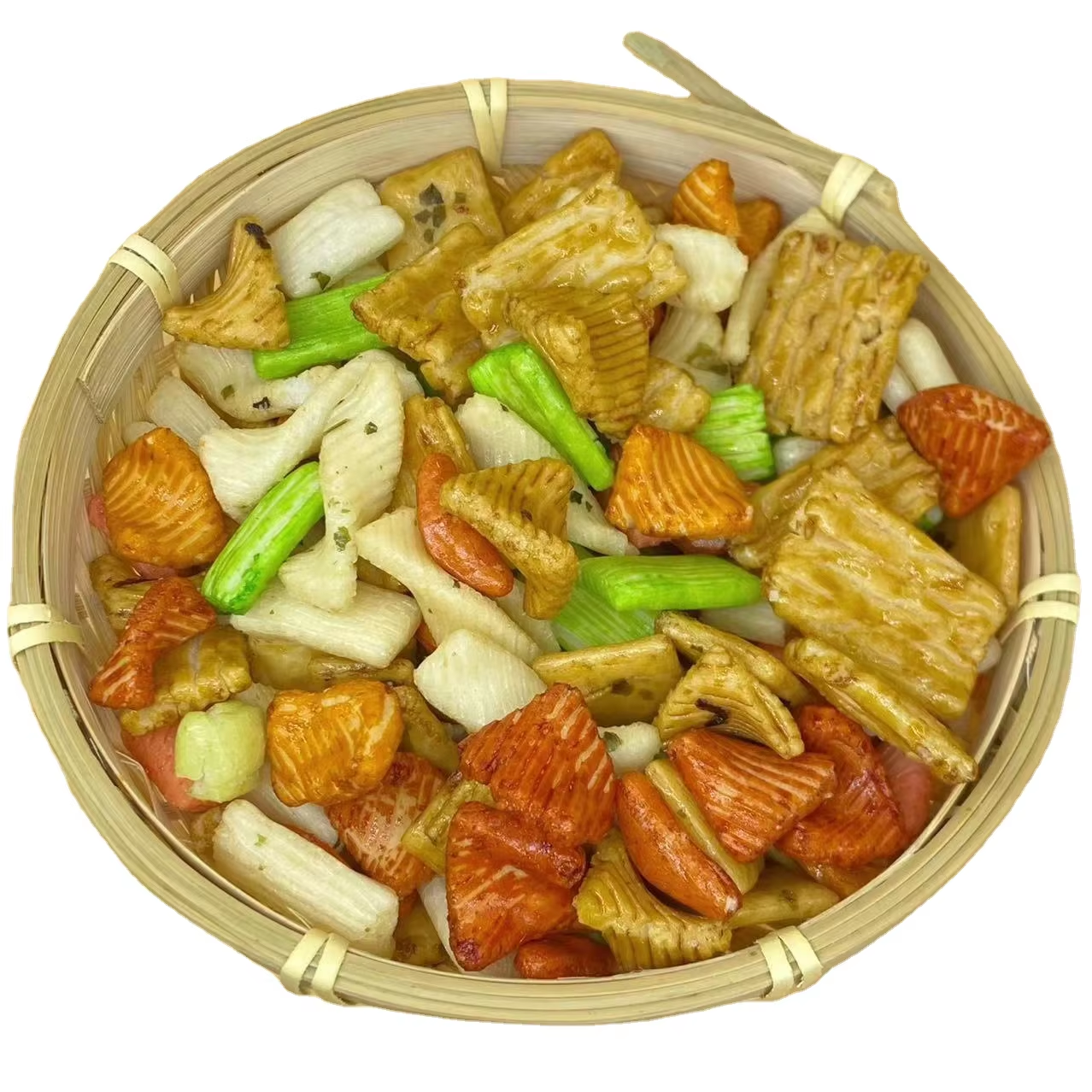
Understanding the potential of rice crackers within Middle Eastern distribution networks requires examining market dynamics, consumer preferences, and the specific advantages these products offer compared to existing snack categories. Rice crackers deliver a unique value proposition: they combine the satisfying crunch consumers expect with cleaner ingredient profiles that resonate with health-conscious buyers. For distributors seeking differentiation and revenue growth, rice crackers present a strategic entry point into the expanding premium snacking segment that continues to reshape regional consumption patterns.
Middle Eastern consumers are increasingly prioritizing wellness and nutritional transparency in their snacking decisions. Rice crackers align seamlessly with this trend because they offer a lighter alternative to heavy, oil-laden traditional snacks while maintaining the satisfying crunch that regional consumers demand. The transparent ingredient profile of rice crackers appeals directly to educated, affluent consumers who actively read labels and seek products that fit modern dietary preferences such as lower sodium content and minimal artificial additives.
The demand for rice crackers stems from a broader shift toward functional snacking, where consumers view eating occasions not simply as indulgence but as opportunities to support health and wellness goals. Distributors who position rice crackers as part of a modernized snacking portfolio tap into this expanding demographic segment. Rice crackers fit naturally alongside other grain-based and plant-forward options that appeal to younger, more globally connected consumers in urban Middle Eastern centers who seek products they encounter in international markets.
Rapid urbanization across the Middle East creates ideal conditions for premium snacking categories like rice crackers to gain traction. Urban professionals and families increasingly consume convenient, grab-and-go products that fit their busy lifestyles, and rice crackers deliver both convenience and perceived health benefits. As purchasing power grows among middle-class and upper-income households throughout the region, consumers demonstrate willingness to pay premium prices for products perceived as higher quality, healthier, or more sophisticated than mainstream commodity snacks.
The demographic profile of rice cracker consumers spans age groups and includes parents seeking healthier options for children, young professionals prioritizing nutrition, and affluent households that equate international products with quality and modernity. Rice crackers benefit from this multi-generational appeal and can be marketed through different channels targeting distinct consumer segments. For distributors, this demographic diversity means rice crackers can anchor shelf space across multiple retail channels simultaneously, from modern supermarkets to convenience stores serving professional neighborhoods.
Modern retail environments across Middle Eastern cities represent the optimal entry channel for rice crackers, as these venues cater precisely to consumers most likely to purchase premium, health-oriented snacking products. Hypermarkets, supermarkets, and specialty food retailers in major urban centers already stock international snacking categories and maintain customer bases actively seeking new products. Rice crackers positioned as premium grain-based alternatives fit naturally within existing shelf sets dedicated to imported or specialty snacks, reducing merchandising friction for distributors introducing these products into new markets.
Strategic shelf placement within the premium or international snacks section significantly influences rice cracker visibility and trial rates. Distributors should emphasize the international positioning and health credentials of rice crackers when negotiating with retail partners, as these characteristics justify premium pricing and reduce competitive pressure from lower-cost domestic snacks. Point-of-sale materials highlighting the grain-based ingredients, nutritional benefits, and international provenance of rice crackers reinforce the premium positioning and communicate clearly to price-conscious yet quality-focused consumers making shelf-edge purchasing decisions.
Hotels, restaurants, and catering operations throughout the Middle East increasingly stock premium snacking options for guests, creating significant bulk purchasing opportunities for rice cracker distributors. High-end hospitality establishments seek distinctive, internationally recognized snack offerings that differentiate their guest experiences and align with modern wellness positioning. Rice crackers delivered through foodservice distributors can establish volume demand that supports retail growth and creates consumer awareness through repeat trial in hospitality environments.
Corporate settings, airline lounges, and business facilities also represent valuable distribution channels where rice crackers appeal to professional audiences seeking healthy snacking options during working hours. Airlines serving Middle Eastern routes increasingly stock premium snack assortments for business-class passengers, and rice crackers fit this category perfectly due to their international positioning and health-conscious image. Distributors developing relationships with foodservice aggregators and airline catering suppliers can unlock significant order volumes that establish rice crackers as established products before pursuing retail shelf space in consumer-facing outlets.
Rice crackers offer exceptional versatility for distributors seeking to develop differentiated product assortments that appeal to diverse consumer preferences within Middle Eastern markets. Unlike heavier snacks limited to simple flavor applications, rice crackers provide a neutral platform that accommodates both traditional regional flavors and contemporary global taste profiles. Distributors can source rice crackers in varied flavor varieties such as savory herb blends, regional spice combinations, or contemporary Asian-influenced seasonings, allowing individual retailers or foodservice operators to curate assortments matching specific customer demographics and preferences.
The lightweight, non-greasy nature of rice crackers compared to fried alternatives creates additional product differentiation opportunities, particularly when marketing to health-conscious segments and families concerned about nutritional content. Flavored rice crackers avoid the greasy residue associated with traditional fried snacks, making them suitable for consumption in professional or formal settings where consumers prefer products that do not leave oil marks on hands or clothing. This practical advantage, combined with the sophisticated international positioning of rice crackers, establishes these products as premium alternatives that justify higher retail prices and support stronger profit margins for distributors.
Modern rice cracker manufacturing emphasizes clean ingredient profiles, minimal additives, and transparent sourcing that directly addresses consumer concerns about food safety and nutritional authenticity prevalent throughout Middle Eastern markets. Distributors highlighting the whole-grain composition, absence of artificial preservatives, and non-GMO sourcing of rice crackers can command premium positioning that resonates with educated consumers increasingly skeptical of industrially processed snacks. Marketing rice crackers as naturally lower in saturated fat compared to fried alternatives and higher in complex carbohydrates creates compelling nutritional narratives that support retail placement and consumer trial among health-conscious demographic segments.
Certifications such as halal compliance, which many quality rice cracker producers maintain, provide additional competitive advantages in Middle Eastern distribution contexts where religious dietary compliance remains significant for consumer purchasing decisions. Distributors emphasizing halal certification, transparent ingredient sourcing, and ethical production practices can differentiate rice crackers from unverified imported snacks and establish trust with conservative consumer segments. This positioning transforms rice crackers from generic Asian snacks into thoughtfully sourced, culturally aware products that demonstrate respect for regional values while meeting contemporary health and wellness expectations.
Middle Eastern consumers demonstrate strong affinity for rice crackers featuring savory, herbal, and spice-forward flavor profiles that echo traditional regional snacking preferences while maintaining the modern positioning that rice crackers inherently provide. Flavors incorporating za'atar, sumac, sesame, or mild chili resonate particularly well among consumers seeking familiar taste anchors in premium product categories. Rice crackers also succeed in plain or lightly salted formats, as these allow consumers to enjoy the pure grain flavor and crispy texture that appeal to buyers conscious of sodium intake or preferring subtle, refined snacking experiences over heavily seasoned alternatives.
Distributors should position rice crackers as premium grain-based alternatives to existing fried or traditional snack categories, emphasizing health benefits, international positioning, and appeal to affluent, health-conscious demographic segments that modern retailers prioritize. Providing free samples, point-of-sale materials highlighting nutritional advantages, and sales training for retail staff demonstrating rice cracker differentiation significantly increase retail buyer confidence. Demonstrating category growth trends in nearby markets and providing sales data from established international retailers help overcome unfamiliarity and establish rice crackers as proven commercial products rather than experimental offerings.
While rice crackers can succeed across diverse retail channels, modern supermarkets, premium grocery outlets, and specialty food retailers in urban centers represent optimal initial distribution targets due to their customer demographics and existing infrastructure for international snacking categories. Convenience stores serving professional neighborhoods, travel retail locations, and modern foodservice environments offer excellent secondary channels where rice crackers' premium positioning and health credentials drive strong performance. Traditional family-owned shops and discount retailers typically prioritize lower-priced commodity snacks, making these channels less suitable for premium rice cracker distribution unless specifically targeting affluent neighborhood locations or special occasion purchasing occasions.

 EN
EN

 Hot News


