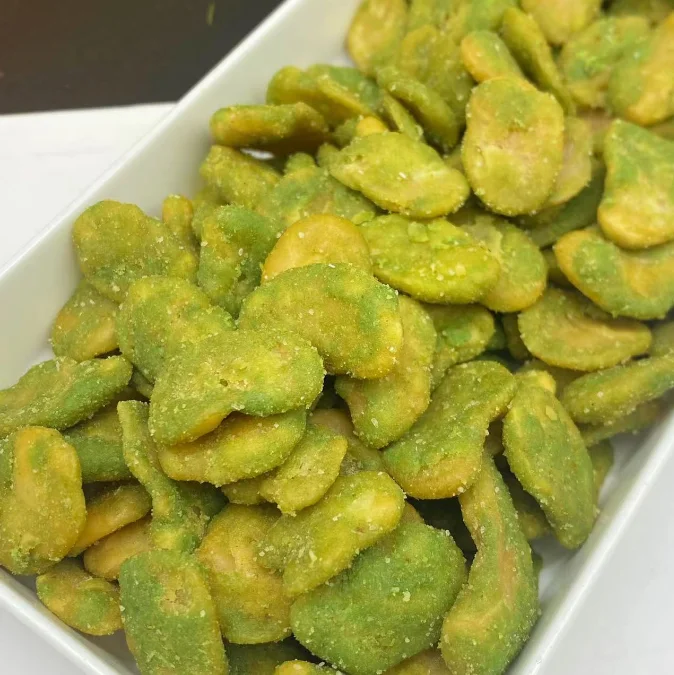
يمر قطاع الأغذية الصحية بتغيرٍ ملحوظ، حيث يُولي المستهلكون اهتمامًا متزايدًا بالبروتينات النباتية، والوجبات الخفيفة ذات الملصقات النظيفة (أي الخالية من المضافات الصناعية)، والبدائل الغنية بالمغذيات للأغذية المصنعة التقليدية. حبوب الإدمامي المحمصة لقد لاقت [المنتجات المذكورة] اهتمامًا سوقيًّا كبيرًا، وانتقلت من كونها تخصصًا آسيويًّا ضيق النطاق إلى أن أصبحت عنصرًا رئيسيًّا في قائمة الأغذية الصحية في أمريكا الشمالية وأوروبا وما بعدها. ويعكس هذا الارتفاع المفاجئ في الشعبية تغيرات أعمق في سلوك المستهلكين، وزيادة الوعي الغذائي، والطلب المتزايد على خيارات الوجبات الخفيفة المستدامة التي تتماشى مع أنماط الحياة الصحية الحديثة.
لفهم سبب ازدياد شعبية فول الصويا المحمص، لا بد من تحليل التقاء عوامل متعددة تشمل العلوم الغذائية، والتغيرات في أنماط النظام الغذائي، والابتكارات في سلاسل التوريد، والاستراتيجيات التسويقية المتطورة التي أعادت وضع هذه الحبوب الخضراء من فول الصويا كمكونات أساسية في أنماط الأكل المُرتبطة بالوعي الصحي في العصر الحديث. وهذه الظاهرة ليست مجرد موضة عابرة، بل تمثّل إعادة ترتيب جوهرية لفئات وجبات الخفيف نحو التغذية الوظيفية، حيث يجتمع الطعم مع الفوائد الصحية دون أي تنازلات. ويستعرض هذا المقال العوامل المتعددة التي تقف وراء هذه الظاهرة، مقدّمًا رؤى قابلة للتطبيق للمهنيين العاملين في قطاع الأغذية، والموزعين، والعلامات التجارية المرتكزة على الصحة، وذلك في إطار هذه الظاهرة السوقية الديناميكية.
تتميَّز فول الصويا المحمص كوجبة خفيفة في سوق الوجبات الخفيفة المزدحمة أساسًا لأنه يوفِّر بروتينًا نباتيًّا كاملاً يحتوي على جميع الأحماض الأمينية الأساسية التسعة التي لا يستطيع الجسم البشري تصنيعها ذاتيًّا. وهذه الكمالية الغذائية نادرة بين المصادر النباتية، ما يجعل فول الصويا المحمص ينضم إلى الكينوا ومنتجات فول الصويا باعتباره بديلاً استثنائيًّا للبروتينات الحيوانية. ويوفِّر كل وجبة عادةً ما بين ٨ إلى ١٤ جرامًا من البروتين، ما يجعله جذّابًا بشكل خاص للمُتنوِّعين النباتيين والنباتيين الصارمين والمُتنوِّعين شبه النباتيين الذين يبحثون عن مصادر بروتين مريحة تدعم صيانة العضلات والإحساس بالشبع والصحة الأيضية دون الاعتماد على المنتجات الحيوانية.
تم التحقق من جودة البروتين في فول الإيدامامي المحمص من خلال مقياس PDCAAS، الذي يقيس قابلية هضم البروتين وتركيبه من الأحماض الأمينية مقارنةً بالاحتياجات الغذائية البشرية. ويمنح هذا الدعم العلمي تجار التجزئة المتخصصين في الأغذية الصحية والعلامات التجارية ادعاءاتٍ موثوقةً يمكنهم الاعتماد عليها عند تسويق هذه المنتجات في مواجهة وجبات خفيفة نباتية أخرى غالبًا ما تعتمد على مصادر بروتين غير كاملة أو تتطلب أطعمة تكميلية لتحقيق التوازن في الأحماض الأمينية. ويتوافق توقيت هذه الميزة تمامًا مع الاتجاه العالمي نحو البروتين، حيث يسعى المستهلكون من مختلف الفئات العمرية بنشاطٍ إلى زيادة تناول البروتين لغرض إدارة الوزن، وتحقيق الأهداف الرياضية، والحفاظ على الصحة العامة.
وبالإضافة إلى البروتين، تحتوي فول الصويا المحمص (إدامامي) على كمية كبيرة من الألياف الغذائية، وعادةً ما توفر خمسة إلى ثمانية غرامات لكل حصة، مما يعالج فجوةً رئيسيةً أخرى في الحميات الغربية الحديثة، حيث يظل استهلاك الألياف دون المستويات الموصى بها باستمرار. وتدعم هذه الألياف صحة الجهاز الهضمي، وتعزز الشعور بالشبع الذي يساعد في إدارة الوزن، كما تساهم في صحة القلب والأوعية الدموية من خلال آليات تنظيم الكوليسترول. ويُشكِّل مزيج البروتين والألياف تأثيرًا قويًّا في إحداث الشبع، ما يجعل فول الصويا المحمص (إدامامي) وجبات خفيفة وظيفية قادرةً على سد الفجوات بين الوجبات دون التسبب في ارتفاع مفاجئ في مستويات السكر في الدم أو انخفاض لاحق في الطاقة.
تحتوي فول الإيدامامي المحمص على ألياف قابلة للذوبان وغير قابلة للذوبان، وكل نوع منها يُسهم في فوائد صحية مميزة تتماشى مع اهتمامات المستهلكين المطلعين على صحة الميكروبيوم المعوي والرفاهية الهضمية. فالألياف القابلة للذوبان تغذّي البكتيريا النافعة في الأمعاء، بينما تُعزِّز الألياف غير القابلة للذوبان حركة الأمعاء المنتظمة، ما يشكِّل ملفًّا شاملاً لدعم الجهاز الهضمي يتماشى مع الاتجاهات الحالية المتعلقة بالبروبيوتيك والبريبايوتيك. ويستفيد مصنّعو الأغذية والعلامات التجارية الصحية من هذه الميزة المزدوجة للألياف في اتصالاتهم التسويقية، مُربِطين فول الإيدامامي المحمص بسرديات أوسع عن الرفاهية تشمل خفض الالتهاب وتعزيز وظيفة المناعة والصحة الأيضية، وهي سرديات تمتدُّ بعيدًا جدًّا عن مجرد تناول وجبة خفيفة.
ويُميِّز ملفّ العناصر الغذائية الدقيقة في فول الإيدامامي المحمّص هذا المنتج أكثر فأكثر عن وجبات الخفيفة التقليدية التي تقدِّم السعرات الحرارية دون قيمة غذائية ذات معنى. وتوفِّر هذه البقوليات كمّياتٍ كبيرةً من الحديد والكالسيوم والمغنيسيوم والفولات وفيتامين كي، بالإضافة إلى مختلف فيتامينات المجموعة باء، ما يجعلها خيارًا غذائيًّا كثيف العناصر يساهم فعليًّا في تلبية الاحتياجات الغذائية اليومية، بدلًا من الاكتفاء بإشباع الرغبة في التذوّق. وهذه الخاصية تجذب بشكلٍ خاصٍ المستهلكين المهتمّين بالصحة، الذين يقيّمون خياراتهم الغذائية من خلال عدسة «العائد الغذائي مقابل الاستثمار»، سعيًا منهم إلى تحقيق أقصى كثافة غذائية ممكنة لكل سعرة حرارية يتم استهلاكها.
يُعالج محتوى الحديد في فول الإدامامي المحمص نقصًا شائعًا لدى النساء في سن الإنجاب والأفراد الذين يتبعون الحميات النباتية، بينما يدعم حمض الفوليك صحة القلب والأوعية الدموية ويكتسب أهمية خاصة أثناء الحمل. ويساهم المغنيسيوم في مئات التفاعلات الإنزيمية في الجسم، ومنها تلك المرتبطة بإنتاج الطاقة ووظائف الجهاز العصبي. وتتيح هذه المجموعة الشاملة من العناصر الغذائية الدقيقة للعلامات التجارية للأغذية الصحية أن تروّج لفول الإدامامي المحمص ليس كوجبات خفيفة دسمة، بل كأغذية وظيفية تدعم نتائج صحية محددة — وهي استراتيجية ترويج تلقى صدىً قوياً في سوق الأغذية الصحية اليوم الذي يرتكز على الأدلة العلمية.
النمو المتفجّر في الأكل النباتي يمثل ربما أكثر المحركات تأثيراً وراء الوضع الراهن للفول الراعي في قطاع الأغذية الصحية. تظهر أبحاث السوق باستمرار نمو سنوي من خانتين في المستهلكين الذين يحددون أنفسهم على أنهم متلازمون للنمو أو نباتيون أو نباتيون ، مع نسبة أكبر من العمل بنشاط على الحد من استهلاك اللحوم دون القضاء على المنتجات الحيوانية تمامً هذا التغيير الهائل في النظام الغذائي يخلق طلباً غير مسبوق على البروتينات النباتية التي توفر نسيجًا وذوقًا وملفات غذائية مرضية مقارنةً بالخيارات التقليدية الحيوانية.
حبوب الإدمامي المحمصة تلبي احتياجات متعددة ضمن هذا التحوّل السلوكي، وتقدّم بروتينًا مريحًا ومستقرًّا على الرف لا يتطلّب أي تحضير، مع تجنّب المخاوف المرتبطة بالمعالجة التي تُثار أحيانًا بشأن بعض البدائل اللحومية وألواح البروتين. وعلى عكس المنتجات النباتية شديدة المعالجة التي تحتوي على قوائم مطوّلة من المكونات، فإن فول الإيدامامي المحمّص يحتوي عادةً على مكونات قليلة جدًّا، غالبًا ما يكون الفول نفسه فقط مع توابل بسيطة، ما يخلق جاذبية «ملصق نظيف» تتماشى مع تفضيلات المستهلكين للمكونات المألوفة والمستمدة من الأغذية الكاملة.
تتمحور أنماط الحياة الحديثة بشكل متزايد حول تناول الوجبات الخفيفة بدلًا من الهياكل التقليدية المكوَّنة من ثلاث وجبات يوميًّا، حيث تُظهر بيانات القطاع أنَّ مناسبات تناول الوجبات الخفيفة تمثِّل الآن نسبةً أكبر من مجموع المناسبات الغذائية مقارنةً بالوجبات المنظَّمة لدى العديد من الفئات الديموغرافية. وتُركِّز ثقافة الوجبات الخفيفة هذه على عوامل الراحة والقابلية للحمل، فضلًا عن المنتجات التي تندرج بسلاسة في الجداول المزدحمة دون الحاجة إلى التبريد أو التحضير. وتتفوَّق حبوب الإيدامامي المحمَّصة في هذا السياق، إذ توفِّر راحة الاستهلاك الفوري (Grab-and-Go) عبر عبوات قابلة للحمل تحافظ على نضارة الحبوب وهشاشتها دون الحاجة إلى شروط تخزين خاصة.
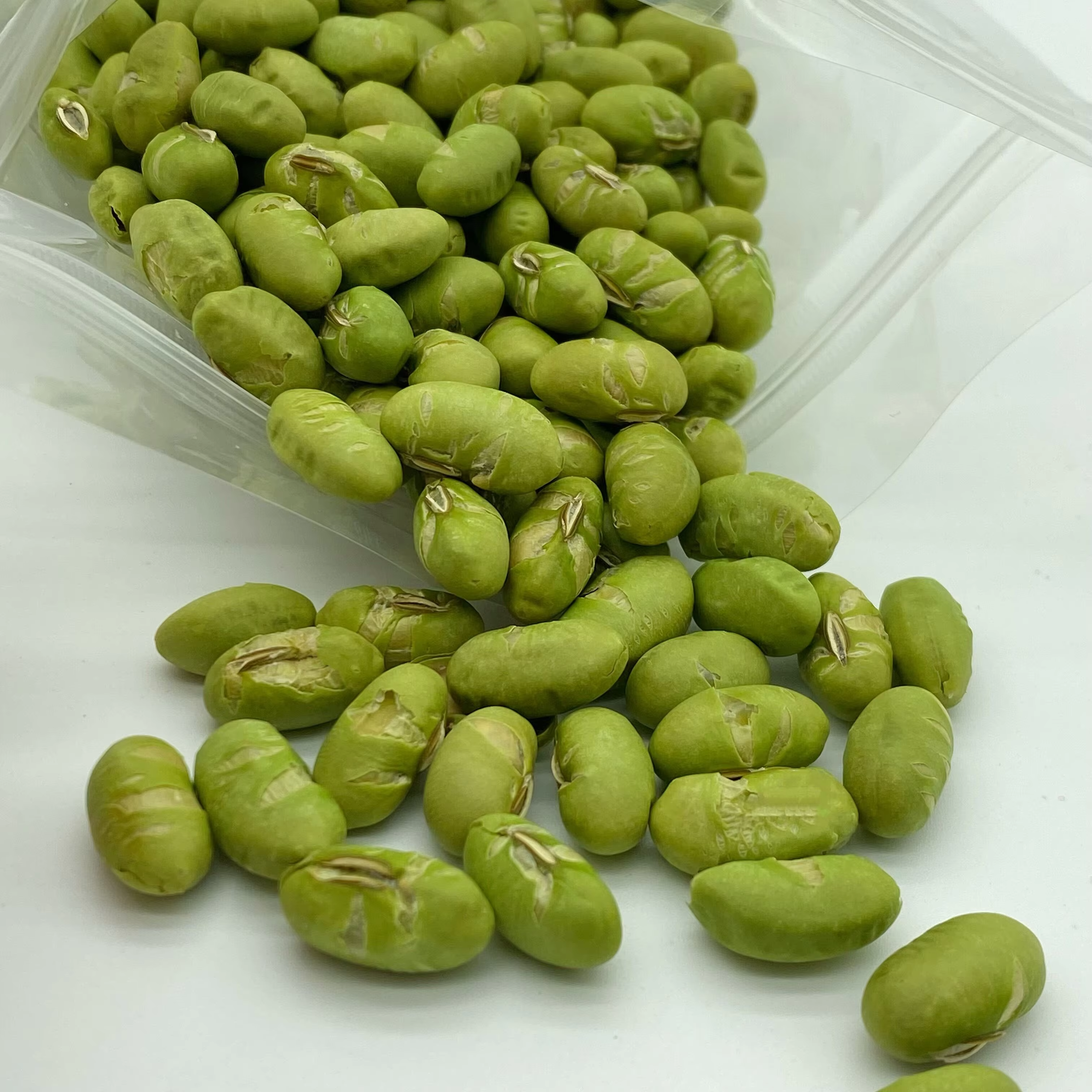
يُلبي ملف النكهة لفول الصويا المحمص التوقعات الحسية التي يمتلكها المستهلكون تجاه وجبات الخفيفة، حيث يوفّر قوامًا مقرمشًا مُرضيًا يخلق متعةً أثناء الأكل، بينما يُطوّر عملية التحميص نكهاتٍ معقدةً تتنافس بفعالية مع الوجبات الخفيفة المالحة التقليدية مثل رقائق البطاطس والبسكويت. ويُعزِّز هذا الرضا الحسي، جنبًا إلى جنب مع التفوّق الغذائي، من وضع فول الصويا المحمص كخيارٍ راقٍ للوجبات الخفيفة، ما يسمح للمستهلكين بالاستمتاع بسلوكيات تناول الوجبات الخفيفة دون التفريط في أهدافهم الصحية، وبالتالي يزيل الشعور بالذنب الذي كان مرتبطًا تقليديًّا بأوقات تناول الطعام بين الوجبات الرئيسية.
يُظهر مستهلكو الأغذية الصحية اليوم مستوىً غير مسبوق من المعرفة الغذائية، حيث يبحثون بنشاط عن فوائد المكونات، ويقارنون بين الملصقات الغذائية، ويسعون إلى الأطعمة التي تقدّم فوائد وظيفية محددة تتجاوز التغذية الأساسية. ويفهم هذا الجمهور المستهلك المُلمّ بالمعلومات الغذائية مفاهيم مثل المؤشر الجلايسيمي وملف الأحماض الأمينية والاستجابات الالتهابية، ويقيّم خياراته الغذائية من خلال أطر تحليلية متقدمة لم تكن تُطبَّق عادةً من قِبل الأجيال السابقة على قرارات الأكل اليومية. وتستفيد فول الإيدامامي المحمّص استفادةً كبيرةً من هذه الدقة الغذائية، لأن فوائده تصبح واضحةً عند الفحص التحليلي بدلًا من أن تتطلّب ادّعاءات تسويقية مبسّطة.
تمتد صيحة الأغذية الوظيفية لما وراء التغذية لتشمل المخاوف المتعلقة بكيفية تأثير الأطعمة على مستويات الطاقة، والوظيفة الإدراكية، والأداء الرياضي، والوقاية من الأمراض على المدى الطويل. وتحتوي فول إيدامامي المحمّص على مركبات مثل الإيزوفلافونات التي خضعت للدراسة لاستكشاف فوائدها المحتملة في تحقيق التوازن الهرموني وصحة العظام والحماية القلبية الوعائية، ما يمنح العلامات التجارية المرتكزة على الصحة نقاط حديث إضافية عند التواصل مع المستهلكين المطلعين الذين يقدّرون الادعاءات الصحية المبنية على الأدلة. ويؤدي هذا التناغم بين خصائص المنتج ومعرفة المستهلك إلى تسويق قوي عبر التوصية الشفهية، حيث يتحول العملاء الراضون إلى سفراء يُعلِّمون شبكاتهم الاجتماعية بالفوائد التي اكتشفوها.
تشغل فول الصويا المحمص موقعًا استراتيجيًّا في بيئات تجزئة الأغذية الصحية، وتُباع عادةً بأسعار مرتفعة مقارنة بالوجبات الخفيفة التقليدية، لكنها تقع في مستوى سعري أقل من منتجات البروتين الأكثر معالجةً مثل البارات والمشروبات المُركَّزة. ويعكس هذا التسعير المتوسط طبيعتها كغذاءٍ كاملٍ وكثافتها الغذائية، مع بقائها في المتناول أمام المستهلكين المهتمين بالصحة من عامة الجمهور، بدلًا من أن تقتصر على الأسواق المتخصصة الفائقة التكلفة فقط. ويقدِّر التجار هذه الفئة لأن فول الصويا المحمص يجذب المشترين المهتمين بالصحة، الذين يميلون عادةً إلى تحقيق قيم أعلى لسلة مشترياتهم وإلى ولاء أقوى للعلامات التجارية مقارنةً بمشتري الوجبات الخفيفة التقليدية.
يُدعَم التموقع الفاخر من خلال قصص المنشأ والسرديات المتعلقة بالجودة التي تُركِّز عليها العديد من العلامات التجارية في تغليفها واتصالاتها التسويقية. وتضيف التراث الآسيوي والثقافة الغذائية التقليدية أبعادًا للصدقية تجد صدىً لدى المستهلكين الذين يبحثون عن أغذية صحية أصيلة بدلًا من منتجات رعاية صحية مصنَّعة. وتبرز بعض العلامات التجارية مناطق محددة لمصدر المكونات، وشهادات عدم احتوائها على كائنات معدلة وراثيًّا (Non-GMO)، وطرق التحميص التقليدية، ما يخلق تميُّزًا داخل فئة فول الإيدامامي المحمّص ذاتها، ويسمح لعدة علامات تجارية بالتعايش جنبًا إلى جنب من خلال استهداف أولويات مختلفة قليلًا لدى المستهلكين فيما يتعلق بالاعتماد العضوي، أو الابتكار في النكهة، أو ممارسات الزراعة المستدامة.
وخلافًا للعديد من الأغذية الصحية المتخصصة التي تقتصر على مناسبات استهلاك محددة، تتميّز فول الإيدامامي المحمّص بمرونةٍ استثنائيةٍ توسّع إمكاناته التسويقية عبر أوقات مختلفة من اليوم وسيناريوهات استخدام متعددة. فيدمج المستهلكون هذه البقوليات في روتينهم الصباحي كمكون غني بالبروتين لوجبة الإفطار، ويحملونها معهم كوجبة خفيفة في أماكن العمل، ويضيفونها إلى السلطات لإثراء القوام وزيادة محتواها البروتيني، ويقدّمونها كمقبلات في المناسبات الاجتماعية، ويستهلكونها كوجبة خفيفة مساءً أثناء مشاهدة البرامج الترفيهية. وتؤدي هذه الفائدة المتعددة المناسِب إلى زيادة تكرار الشراء وانتشار المنتج داخل الأسرة مقارنةً بالمنتجات التي تقتصر على أنماط استخدام ضيّقة.
تمثل تطبيقات خدمات الأغذية قناة نمو ناشئة لفول الإيدامامي المحمص، حيث تبحث المطاعم والمقاصف ومقدِّمو الوجبات المؤسسية عن إضافات صحية إلى قوائم الطعام تلبي متطلبات غذائية متنوعة، بما في ذلك الاحتياجات الخاصة بالنظام النباتي (Vegan)، وخالٍ من الغلوتين، وملائمة للأشخاص الحساسين تجاه مسببات الحساسية. ويُستخدم الفول بفعالية كإضافة إلى أطباق السَّلطة الذاتية الاختيار، ومكون رئيسي في أطباق الحبوب المختلطة، وتزيين للشوربات، وأطباق جانبيّة مستقلة، ما يخلق عدة نقاط دمج في القوائم الغذائية ويدفع الطلب التجاري عليها بما يتجاوز قنوات البيع بالتجزئة. ويعزِّز هذا التوسُّع في قطاع خدمات الأغذية درجة إلمام المستهلكين بالمنتج ويجعل فول الإيدامامي المحمص سلعة غذائية يومية مألوفة، لا مجرد منتج صحي متخصص، مما يوسع نطاق جاذبيته لدى الجمهور العام.
تؤثر الوعي البيئي بشكل متزايد على قرارات شراء الأغذية، لا سيما بين المستهلكين الأصغر سنًّا الذين يقيّمون العلامات التجارية جزئيًّا استنادًا إلى التزاماتها بالاستدامة وتأثيرها البيئي. وتتماشى حبوب الإدامامي المحمصة تلقائيًّا مع السرديات المتعلقة بالاستدامة، لأن زراعة فول الصويا تتطلب عمومًا موارد أقل مقارنة بإنتاج البروتين الحيواني، ما يؤدي إلى انبعاثات أقل من غازات الدفيئة، واستهلاك أقل للمياه، واستخدام أكثر كفاءة للأراضي. ويمكن للعلامات التجارية أن تُبلّغ عن الفوائد البيئية بطريقة صادقة دون الاعتماد على مخططات تعويض الكربون المشكوك في صحتها أو أساليب «الغش الأخضر» المضللة التي يستطيع المستهلكون المطلعون تمييزها بسهولة ورفضها.
وتُسهم الطبيعة النباتية لفول الإيدامامي المحمص في دعم مبادرات الاستدامة المؤسسية الأوسع التي اعتمدتها شركات الأغذية استجابةً لضغوط المستثمرين والاتجاهات التنظيمية وتوقعات المستهلكين. ويمكن للشركات دمج هذه المنتجات في استراتيجيات تحويل مجموعاتها لتقليل الآثار البيئية مع تحقيق أهداف الأداء المالي، نظرًا لأن المنتجات النباتية الراقية غالبًا ما تحقق هوامش ربح أعلى مقارنةً بالوجبات الخفيفة التقليدية القائمة على السلع الأساسية. وينتج عن هذا التوافق الاستراتيجي بين طلب المستهلكين والمسؤولية البيئية والأداء التجاري زخمٌ قويٌّ يضمن استمرار اتجاه فول الإيدامامي المحمص حتى خارج نطاق التقلبات السوقية المؤقتة.
تستمر فئة فول إيدامامي المحمص في التطور من خلال الابتكار في النكهات الذي يلبي تفضيلات الذوق المتنوعة ويمنع ملل المستهلكين، وهو ما قد يحد من النمو طويل الأجل للسوق. وركّزت المنتجات الأولية بشكل رئيسي على توابل ملح البحر البسيطة التي تبرز النكهات الطبيعية للفول، أما العروض الحالية فهي تشمل نطاقاً مذهلاً من النكهات مثل الواسابي والسرتشا والثوم والباربكيو والرانش والفلفل الحار مع الليمون، إضافةً إلى النكهات الحلوة مثل الأصناف المغطاة بالشوكولاتة. وتسهم هذه التوسعة في تنوّع النكهات في جذب المستهلكين الذين قد يقاومون في البداية تناول الأصناف البسيطة، كما توفر للمستهلكين الحاليين تنوعاً يُعزِّز عمليات الشراء المتكررة ويمنع التخلّي عن هذه الفئة كلياً.
كما تُمكِّن الابتكارات في النكهات استراتيجيات تجزئة السوق، حيث تستهدف العلامات التجارية قطاعات محددة من المستهلكين عبر نكهات تناغم ثقافيًّا. فتنال النكهات ذات الإلهام الآسيوي إعجاب المستهلكين الباحثين عن تجارب غذائية أصيلة تنتمي إلى ثقافات معينة، بينما تجذب التوابل الجنوبية الغربية المستهلكين المعتادين على نكهات المطبخ التكس-مكسيكي، وتصل الأعشاب المتوسطية إلى المستهلكين الذين يتبعون أنماطًا غذائية محددة مثل الحمية المتوسطية. ويسمح هذا التجزيء القائم على النكهة لعدة علامات تجارية بالازدهار جنبًا إلى جنبٍ وبشكل مربح، مع توسيعها الجماعي لإجمالي استهلاك الفئة بدلاً من التنافس فقط على حصة سوقية ثابتة.
تلعب الابتكارات في التغليف دورًا محوريًّا في شعبية فول الإدامامي المحمّص، من خلال تكييف المنتجات مع بيئات البيع بالتجزئة المتنوِّعة وسياقات الاستهلاك المختلفة. وتُلبّي الأكياس الفردية للاستعمال الواحد متطلبات التحكُّم في الكميات وتعزِّز سهولة الحمل للاستهلاك أثناء التنقُّل، بينما تخدم الأكياس القابلة لإعادة الإغلاق احتياجات المخزن المنزلي ومناسبات المشاركة الجماعية بين عدة أشخاص. وقد قدَّمت بعض العلامات التجارية تغليفًا فاخرًا مخصَّصًا للهدايا، ما يضع فول الإدامامي المحمّص في خانة الهدايا المُدروسة لأصدقاء وأفراد العائلة المهتمِّين بالصحة، مُنشِئًا مناسباتٍ للهدايا تعرِّف مستهلكين جددًا على المنتج، قد لا يتعرَّفون عليه بأنفسهم أثناء التسوُّق الروتيني.
لقد تطورت رسومات التعبئة والتغليف واستراتيجيات الاتصال بشكل كبير مع نضج هذه الفئة، انتقالًا من الطابع الجمالي المتخصص الآسيوي إلى التموقع كأغذية صحية رئيسية تجذب شرائح ديموغرافية أوسع. وتُركِّز التعبئة والتغليف الحديثة على إبراز القيمة الغذائية، والشهادات مثل «عضوي» و«خالٍ من الكائنات المعدلة وراثيًّا»، والصور المرتبطة بأنماط الحياة التي تساعد المستهلكين على تصور كيفية إدماج فول الصويا المحمص في روتينهم الصحي الطموح. وبعض العلامات التجارية تستخدم نوافذ شفافة في عبواتها لتوضيح جودة المنتج ولونه، مما يعزِّز ثقة المستهلك عبر التحقق البصري بدلًا من الاعتماد الكامل على وعود العلامة التجارية والادعاءات التسويقية.
لقد تسارعت مسار نمو فول الصويا المحمص بفضل الشراكات الاستراتيجية بين المصنّعين والبائعين الرئيسيين الذين يدركون الإمكانات الكامنة في هذه الفئة ويخصصون لها مساحات عرض متميِّزة وفقًا لذلك. وتُعزَّز ظاهرة الظهور والتجربة لدى المستهلكين — الذين قد لا يبحثون عن هذه المنتجات بشكلٍ نشطٍ — من خلال عرضها في المناطق ذات الحركة المرورية العالية قرب أجهزة الدفع، وفي الأقسام المخصصة للأغذية الصحية، وكذلك عبر الترويج المشترك مع منتجات تكميلية مثل المكسرات والفاكهة المجففة. وبعض البائعين طوّروا إصدارات خاصة تحت علاماتهم التجارية لفول الصويا المحمص، والتي تقدّم خيارات اقتصادية في الوقت الذي تؤكّد فيه أهمية هذه الفئة من خلال تخصيصها الموارد والمساحات الترويجية.
برزت قنوات التجارة الإلكترونية كمحركات نموٍ بالغة الأهمية لفول الإيدامامي المحمص، ما يسمح للعلامات التجارية التي تبيع مباشرةً للمستهلكين ببناء علاقات مع عملاء متحمسين، وفي الوقت نفسه جمع بيانات تفصيلية عن الاستهلاك تُستخدم في تطوير المنتجات واستراتيجيات التسويق. وتمكّن نماذج الاشتراك من إنشاء تدفقات دخل متكررة وتوقع الطلب بدقة أكبر، بينما تخلق التسويق عبر وسائل التواصل الاجتماعي وعيًا انتشاريًّا (فيروسيًّا) يصعب على الإعلانات التقليدية تحقيقه بتكلفة فعّالة. كما توفر المراجعات والتقييمات الإلكترونية «إثباتًا اجتماعيًّا» يقلل من مخاطر الشراء لدى العملاء المحتملين، ما يُشكّل حلقات تغذية راجعة إيجابية يصبح فيها المتبادرُون الأوائل سفراء للعلامة التجارية، ويُسهمون في استمرار النمو عبر الدعوة الصادقة.
تُحصد فول الإدامامي المحمص في مرحلة مبكرة من النضج مقارنةً بفول الصويا المستخدم في صنع التوفو أو حليب الصويا، ما يعني أنه يحتفظ بمستويات أعلى من بعض الفيتامينات ويتميز بنكهة أحلى وجذّابة أكثر. وعملية التحميص تُركّز العناصر الغذائية مع إكسابها قوامًا ونكهةً مرغوبَيْن، مما يجعلها مناسبة كوجبات خفيفة مستقلة. وعلى عكس العديد من منتجات فول الصويا التي تخضع لمعالجة مكثفة، يبقى فول الإدامامي المحمص غذاءً كاملاً وخاضعًا لحدٍ أدنى من المعالجة، ما يحافظ على تركيبته الطبيعية من الألياف ومحتواه من العناصر الدقيقة، ويتجنب الإضافات ومواد المعالجة الشائعة في غيره من الأطعمة المستخلصة من فول الصويا.
فول الصويا المحمص طبيعيًّا خالٍ من العديد من مسببات الحساسية الشائعة، مثل منتجات الألبان والبيض والأسماك والمأكولات البحرية والمكسرات الصلبة والقمح والفول السوداني، ما يجعله مناسبًا للأفراد الذين يعانون من حساسيات غذائية متعددة. ومع ذلك، فهو مصنوع من فول الصويا وبالتالي لا يناسب الأشخاص الذين يعانون من حساسية تجاه الصويا. علاوةً على ذلك، قد تقوم مرافق التصنيع أحيانًا بمعالجة منتجات متعددة في نفس المنشأة، مما يخلق مخاطر محتملة لتلوث متبادل، لذا ينبغي على الأشخاص ذوي الحساسية الشديدة تقييم هذه المخاطر بعناية من خلال قراءة الملصقات بدقة والاتصال بالشركات المصنِّعة عند الحاجة. كما أن الفول طبيعيًّا خالٍ من الغلوتين، ما يجعله جذّابًا للسكان المتزايد عددهم والذين يعانون من مرض السيلياك أو حساسية الغلوتين، مع التنبيه مرة أخرى إلى ضرورة الانتباه لتلوث الغلوتين المتبادل أثناء التصنيع لدى الأشخاص الذين يعانون من ردود فعل شديدة.
عند تقييمها على أساس التكلفة لكل غرام من البروتين، فإن حبوب الإيدامامي المحمصة تقع عادةً في الفئة المتوسطة بين وجبات الوجبات الخفيفة النباتية الغنية بالبروتين، وهي عمومًا أقل تكلفةً من قضبان البروتين والرقائق الخاصة بالبروتين، لكنها أكثر تكلفةً من البقوليات الأساسية مثل الحمص أو الفول السوداني. ويعكس هذا السعر المرتفع اكتمال ملفها البروتيني وكثافتها العالية بالعناصر الدقيقة، فضلاً عن التكاليف الزراعية وتكاليف المعالجة المرتبطة بإنتاج الإيدامامي. أما بالنسبة للمستهلكين الذين يُعطون الأولوية للقيمة الغذائية بدلًا من أدنى تكلفة ممكنة، فإن حبوب الإيدامامي المحمصة تقدّم قيمةً قويةً من خلال مزيجها من البروتين والألياف والعناصر الدقيقة، وبصيغةٍ مريحة وقليلة المعالجة، تجنّب المضافات والمخاوف المتعلقة بالمعالجة التي ترافق العديد من البدائل الأقل تكلفة.
المحتوى العالي من البروتين والألياف في فول الإدامامي المحمص يدعم إدارة الوزن من خلال تعزيز الشعور بالشبع وتقليل إجمالي السعرات الحرارية المستهلكة عند استبدال الوجبات الخفيفة الأقل قيمة غذائيةً به، بينما يساعد الملف الكامل للأحماض الأمينية على استعادة العضلات والحفاظ عليها أثناء الجهود المبذولة لإنقاص الوزن. أما بالنسبة للأداء الرياضي، فإن البروتين يدعم إصلاح العضلات ونموها، بينما توفر الكربوهيدرات طاقة مستدامة دون تقلبات سريعة في مستويات سكر الدم. ويُسهم محتوى الحديد في الحفاظ على نقل الأكسجين الصحي الذي يُعد ضروريًّا للأنشطة التحملية، كما يدعم المغنيسيوم وظيفة العضلات وإنتاج الطاقة. وعلى الرغم من أن فول الإدامامي المحمص وحده لا يمكنه ضمان نتائج محددة، فإنه يعمل بكفاءة كجزءٍ من استراتيجيات غذائية شاملة مُصمَّمة لدعم مختلف الأهداف الصحية والرياضية عند دمجه مع أنماط غذائية عامة مناسبة وسلوكيات نمط الحياة الملائمة.

 EN
EN

 الأخبار الساخنة


