The food industry has witnessed a significant shift in how manufacturers approach snack production and food preservation. Traditional frying methods have dominated for decades, but vacuum fried technology represents a modern advancement that addresses longstanding limitations of conventional approaches. Understanding why vacuum fried processing outperforms traditional frying methods requires examining the fundamental differences in temperature control, nutritional preservation, and product quality outcomes that define each technique.
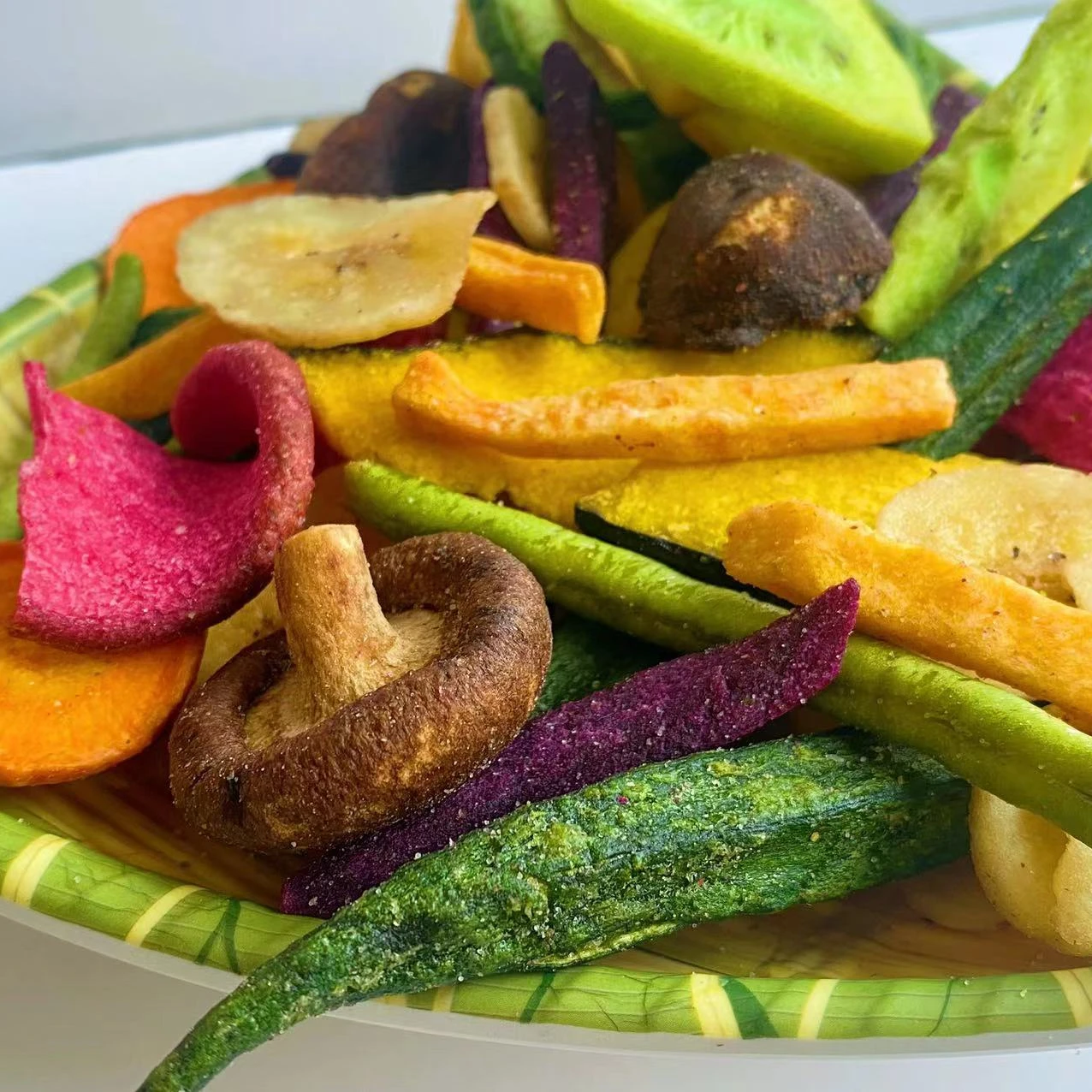
Consumers and food producers increasingly recognize that vacuum fried products deliver superior results compared to what traditional frying methods can achieve. The vacuum fried process operates at significantly lower temperatures, typically between 65 to 80 degrees Celsius, whereas traditional deep frying occurs at 160 to 190 degrees Celsius. This temperature differential directly impacts every aspect of the final product, from nutritional content to sensory characteristics, making vacuum fried technology the preferred choice for quality-conscious manufacturers.
One of the most compelling reasons to choose vacuum fried over traditional frying methods centers on oil absorption reduction. Traditional frying involves immersing food in hot oil at high temperatures, which causes the food matrix to absorb significant quantities of oil through pressure differential and thermal expansion. Vacuum fried products absorb approximately 40 to 50 percent less oil than traditionally fried foods because the low-temperature environment and reduced atmospheric pressure minimize oil penetration into the food structure. This reduction in oil content directly translates to lower calorie counts and reduced saturated fat levels, making vacuum fried snacks a healthier option for health-conscious consumers.
When manufacturers select vacuum fried processing, they substantially lower the fat content of their products without sacrificing texture or taste. A traditionally fried potato chip may contain 35 percent fat by weight, while a vacuum fried equivalent typically contains 15 to 20 percent fat. This significant difference makes vacuum fried technology particularly attractive for brands targeting nutritionally-aware market segments. The superior oil efficiency of vacuum fried methods also reduces production costs while improving product healthfulness, creating a win-win scenario that traditional frying simply cannot match.
Heat-sensitive vitamins and phytochemicals degrade rapidly at high temperatures, a critical limitation of traditional frying methods. Vacuum fried processing preserves heat-sensitive nutrients such as vitamin C, beta-carotene, and polyphenolic compounds because the low-temperature environment minimizes thermal degradation. Studies have demonstrated that vacuum fried vegetables and fruits retain 60 to 70 percent of their original vitamin content, compared to only 20 to 30 percent retention in traditionally fried products. This nutrient preservation makes vacuum fried snacks nutritionally superior, providing consumers with functional foods that deliver genuine health benefits beyond basic caloric sustenance.
The bioavailability of nutrients also improves with vacuum fried processing. Lower processing temperatures mean less protein denaturation and carbohydrate damage, allowing the human digestive system to extract nutrients more efficiently. Vacuum fried fruits and vegetables maintain their cellular structure more effectively than traditionally fried counterparts, preserving the physical arrangement of nutrients in ways that enhance absorption. Food manufacturers that prioritize nutritional value recognize that vacuum fried technology delivers measurable superiority in delivering bioavailable nutrients to end consumers.
Volatile aromatic compounds and flavor precursors are extremely sensitive to heat damage, which represents a fundamental limitation of traditional frying methods. High-temperature frying causes rapid volatilization and chemical degradation of these compounds, resulting in muted, one-dimensional flavors that lack the complexity of the original raw material. Vacuum fried products preserve the original flavor profile of fruits and vegetables because the low-temperature, oxygen-reduced environment prevents oxidative degradation and limits volatile compound loss. Consumers consistently report that vacuum fried snacks taste noticeably fresher and more authentic compared to traditionally fried alternatives, a quality advantage that directly influences repeat purchasing behavior and brand loyalty.
The superior flavor retention of vacuum fried snacks enables manufacturers to reduce or eliminate artificial flavoring additives. Traditional frying often necessitates enhanced flavoring because heat damage leaves the base product with diminished taste intensity. Vacuum fried technology delivers sufficient flavor intensity from the raw material alone, allowing brands to market products with cleaner labels and fewer synthetic ingredients. This advantage resonates powerfully with consumers seeking natural, minimally processed snacks, making vacuum fried the preferred choice for premium snack positioning.
Texture quality represents another critical area where vacuum fried processing demonstrates clear superiority over traditional frying methods. The gentle low-temperature environment of vacuum fried processing creates a light, crispy texture without the hard, brittle quality that excessive heat produces. Traditional frying often results in tough, shrunken products with uneven browning and potential burnt edges. Vacuum fried fruits and vegetables maintain superior color saturation and visual appeal because the reduced heat exposure prevents caramelization and browning reactions that compromise visual quality. The combination of superior texture and appearance makes vacuum fried snacks substantially more appealing to consumers at point of sale.
Shelf appearance consistency also favors vacuum fried over traditional frying methods. High-heat frying causes rapid moisture loss and structural collapse, leading to products that become stale and crumbly within days. Vacuum fried products maintain their structural integrity and crispness significantly longer because the gentle processing preserves the cellular framework. Manufacturers shipping products across long distances benefit tremendously from vacuum fried technology, as the superior shelf-life performance reduces waste and extends the saleable window in retail environments.
Precise temperature control fundamentally distinguishes vacuum fried processes from traditional frying methods. Traditional deep fryers operate at fixed high temperatures that must be maintained for safety and efficiency, creating a limited processing window that offers minimal flexibility. Vacuum fried equipment enables exact temperature calibration, typically within plus or minus one degree Celsius, allowing manufacturers to optimize processing for different product types and desired outcomes. This precision transforms vacuum fried processing into a science-based operation rather than a craft-based approach, delivering consistent batch-to-batch quality that exceeds what traditional frying achieves.
The consistency advantage of vacuum fried technology directly impacts commercial operations. Quality variability in traditional frying creates waste through product rejection, increased consumer complaints, and potential food safety complications. Vacuum fried systems eliminate this variability, ensuring that every batch meets specification and customer expectations. Food manufacturers that select vacuum fried over traditional frying methods experience reduced production overhead, fewer customer returns, and enhanced operational efficiency that directly improves profitability.
Oil degradation accelerates dramatically at high temperatures, forcing traditional frying operations to replace cooking oil frequently and incur substantial disposal costs. Vacuum fried systems require oil changes far less frequently because the low-temperature environment minimizes thermal degradation of the oil matrix. Oil in vacuum fried systems can be used for 50 to 100 times longer than oil in traditional fryers, representing enormous cost savings over a production cycle. Additionally, the reduced oil consumption per unit of product further diminishes the overall oil cost structure, making vacuum fried operations substantially more economical than traditional frying methods from a raw material perspective.
Environmental responsibility also favors vacuum fried technology. The dramatically reduced oil consumption and disposal requirements mean fewer environmental impacts from waste oil management. Many regulatory jurisdictions increasingly scrutinize commercial oil disposal practices, and vacuum fried operations face fewer compliance challenges and lower disposal costs. Manufacturers choosing vacuum fried over traditional frying methods simultaneously improve their environmental footprint and reduce operational complexity, appealing to sustainability-conscious businesses and conscious consumers alike.
Vacuum fried technology operates at significantly lower temperatures, typically 65 to 80 degrees Celsius, in a reduced oxygen environment created by partial vacuum conditions. Traditional frying occurs at 160 to 190 degrees Celsius in normal atmospheric conditions. This temperature and pressure difference fundamentally changes how heat and moisture transfer during processing, resulting in products with lower oil content, better nutrient retention, and superior sensory qualities compared to traditionally fried alternatives.
Vacuum fried products typically command a 15 to 30 percent price premium over traditionally fried alternatives due to equipment costs and precise processing requirements. However, this premium reflects genuine nutritional and quality advantages that justify the higher cost for health-conscious consumers. Over time, as vacuum fried technology becomes more widespread and production scales increase, pricing gaps narrow. The superior shelf-life and reduced waste from vacuum fried production can offset higher processing costs, creating better long-term value for both manufacturers and consumers.
Vacuum fried technology works exceptionally well for fruits, vegetables, and plant-based snacks with lower moisture content, making vacuum fried an ideal choice for dehydrated chips, sliced fruits, and veggie snacks. Products with very high water content or delicate structures may require process modifications. However, vacuum fried has successfully expanded into potato chips, mixed vegetable snacks, and dried fruit products, demonstrating that the majority of popular snack categories benefit from vacuum fried processing compared to traditional frying approaches.

 EN
EN

 Hot News


