Green peas represent one of the most compelling sustainable sourcing options available to food manufacturers and procurement professionals today. As global supply chains face increasing pressure to reduce environmental impact while maintaining cost efficiency and nutritional value, green peas emerge as a versatile ingredient that addresses multiple sustainability challenges simultaneously. Their unique agricultural profile, minimal resource requirements, and positive environmental contributions make them an increasingly strategic choice for companies committed to responsible sourcing practices.
The sustainability advantages of green peas extend far beyond their low carbon footprint to encompass water efficiency, soil health improvement, and biodiversity support. Modern food industry leaders recognize that sustainable sourcing decisions must balance environmental responsibility with operational reliability, making green peas particularly attractive due to their consistent availability, stable pricing patterns, and alignment with consumer preferences for plant-based nutrition. Understanding what specifically makes green peas a sustainable sourcing option requires examining their complete lifecycle impact and supply chain characteristics.
Green peas belong to the legume family, which means they possess the remarkable ability to fix atmospheric nitrogen through symbiotic relationships with soil bacteria. This natural process reduces the need for synthetic nitrogen fertilizers, which are energy-intensive to produce and can contribute to water pollution when applied excessively. When green peas are cultivated, they actually improve soil fertility by converting atmospheric nitrogen into forms that subsequent crops can utilize, creating a regenerative agricultural cycle that benefits entire farming systems.
The soil enhancement properties of green peas make them valuable rotation crops that support long-term agricultural sustainability. Farmers who incorporate green peas into their crop rotations often report improved soil structure, increased organic matter content, and reduced pest pressure in following seasons. This biological nitrogen contribution can reduce fertilizer costs for subsequent crops by 20-40%, making green pea cultivation economically attractive while simultaneously reducing the environmental burden associated with synthetic fertilizer production and application.
Compared to many alternative protein sources, green peas demonstrate exceptional water use efficiency throughout their growing cycle. Research indicates that green peas require approximately 25-30% less water than equivalent protein production from animal sources, and significantly less water than many other legume crops. Their relatively short growing season and drought tolerance characteristics make them suitable for cultivation in regions where water resources are limited, supporting agricultural diversification without straining local water supplies.
The water efficiency of green peas becomes particularly important when considering long-term climate resilience and regional water security. Food manufacturers sourcing green peas can often trace their supply to regions with sustainable water management practices, reducing supply chain vulnerability to drought conditions while supporting farming communities that prioritize water conservation. This water efficiency translates into lower irrigation costs for producers and reduced environmental stress on watershed systems.
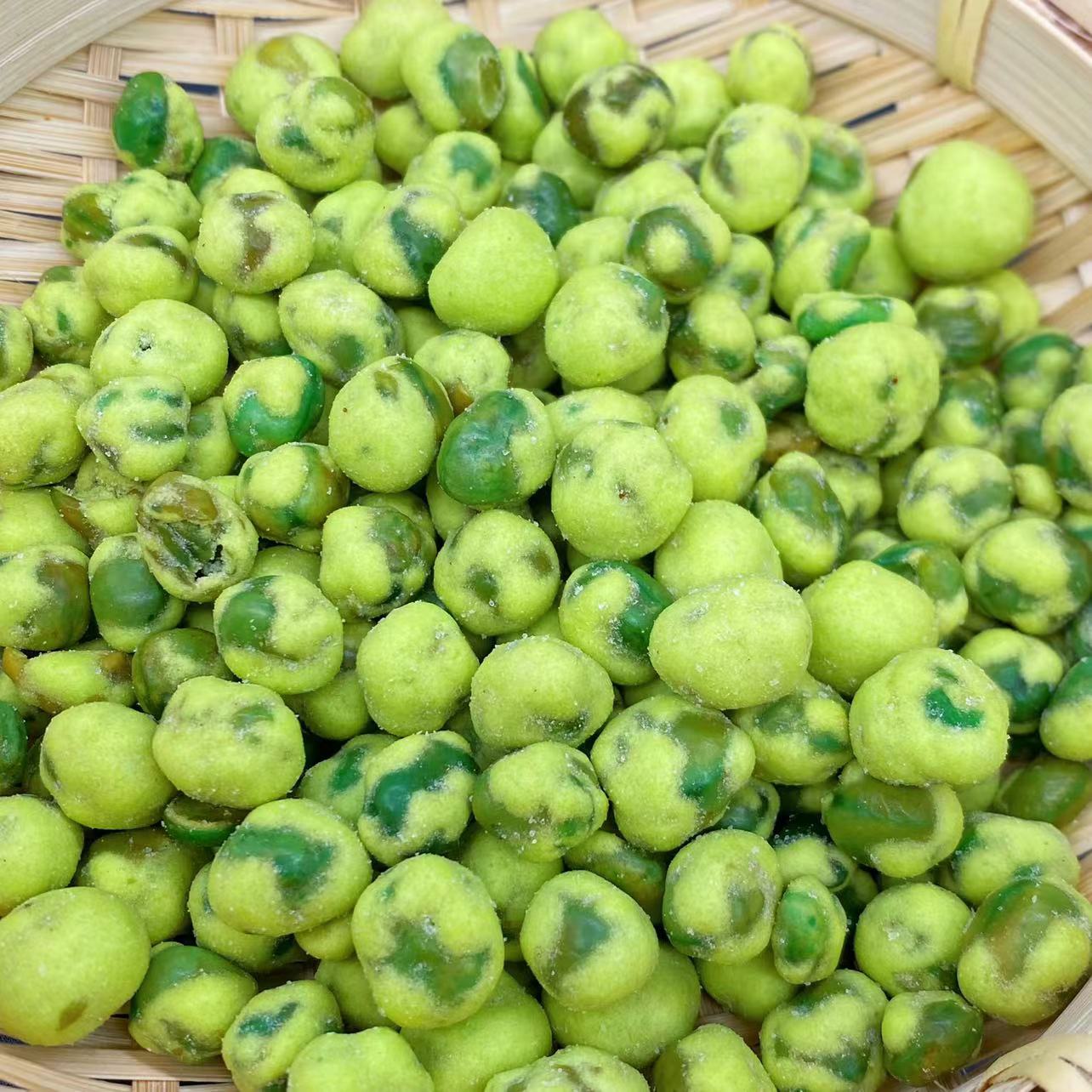
Green peas can be successfully cultivated across diverse geographic regions and climate zones, enabling companies to source from relatively local suppliers and reduce transportation-related carbon emissions. Unlike tropical crops that require long-distance shipping from specific growing regions, green peas are produced in temperate zones worldwide, allowing manufacturers to establish regional supply chains that minimize logistics complexity and environmental impact. This geographic flexibility also provides supply security benefits by reducing dependence on single-region sourcing strategies.
The ability to process green peas into shelf-stable forms further enhances their transportation efficiency. Frozen, dried, and processed green pea products can be shipped using standard logistics infrastructure without requiring specialized cold chain management throughout the entire supply route. This processing flexibility reduces energy consumption associated with temperature-controlled transportation while maintaining product quality and nutritional integrity over extended storage periods.
Green peas exhibit predictable seasonal production patterns that align well with industrial planning cycles and inventory management strategies. Their concentrated harvest periods allow for efficient processing and storage operations, while their natural preservation characteristics support extended shelf life without requiring energy-intensive preservation methods. This seasonal reliability enables food manufacturers to plan procurement schedules that optimize storage capacity utilization and reduce waste throughout the supply chain.
The storage efficiency of green peas contributes significantly to their sustainability profile by reducing food waste and enabling more predictable supply planning. Properly stored green peas maintain nutritional quality and functional properties for extended periods, allowing manufacturers to maintain consistent production schedules without the pressure to process immediately upon harvest. This storage flexibility reduces the need for emergency sourcing arrangements that often involve higher transportation costs and carbon emissions.
Green peas demonstrate relatively stable pricing patterns compared to many alternative protein sources, providing food manufacturers with greater cost predictability in their procurement planning. This price stability results from their widespread cultivation, diverse growing regions, and established global trading markets that help buffer against regional production disruptions. Companies sourcing green peas can typically establish longer-term supply contracts with more predictable pricing structures, supporting financial sustainability alongside environmental objectives.
The economic sustainability of green peas extends to supporting farming communities through consistent income opportunities and reduced input costs associated with their nitrogen-fixing properties. Farmers growing green peas often benefit from lower fertilizer expenses and improved soil conditions that enhance the productivity of subsequent crops. This economic benefit to agricultural communities creates positive feedback loops that encourage continued sustainable farming practices and support rural economic development in growing regions.
Consumer demand for plant-based protein sources continues to grow, positioning green peas favorably in evolving market conditions that prioritize sustainability and health considerations. Unlike some alternative protein sources that face consumer acceptance challenges, green peas benefit from widespread familiarity and positive associations with healthy eating patterns. This consumer acceptance reduces market risk for manufacturers investing in green pea-based product development and supports long-term demand stability.
The versatility of green peas in food applications enables manufacturers to develop diverse product portfolios that respond to changing consumer preferences while maintaining consistent sourcing strategies. From protein powders and meat alternatives to snack foods and traditional culinary applications, green peas provide ingredient flexibility that supports product innovation without requiring fundamental changes to supply chain infrastructure or supplier relationships.
Green peas provide exceptional nutritional density that supports public health objectives while requiring minimal processing to maintain their beneficial properties. Their complete amino acid profile, high fiber content, and essential vitamin and mineral composition make them valuable ingredients for addressing global nutrition challenges. This nutritional efficiency means that green peas can contribute meaningfully to dietary requirements with relatively small serving sizes, reducing the overall resource intensity required to meet nutritional objectives.
The natural nutritional composition of green peas reduces the need for artificial fortification or supplementation in many food applications, simplifying ingredient lists and processing requirements. This nutritional completeness supports clean label initiatives while providing manufacturers with ingredient solutions that meet consumer demands for both sustainability and health benefits. The combination of protein quality and micronutrient density makes green peas particularly valuable for addressing protein deficiency in developing markets while supporting premium nutrition applications in developed economies.
Green peas can be processed using relatively simple, energy-efficient methods that generate minimal waste streams and byproducts. Unlike some protein sources that require complex extraction processes or generate significant waste materials, green peas can be transformed into various ingredient forms using established food processing technologies. The hulls and processing byproducts from green peas often find valuable applications in animal feed or soil amendment products, creating closed-loop systems that maximize resource utilization.
The processing efficiency of green peas extends to their compatibility with existing food manufacturing equipment and processes, reducing the capital investment required for companies transitioning to more sustainable ingredient sourcing. This compatibility enables gradual supply chain transitions that minimize disruption while building sustainability credentials over time. The ability to integrate green peas into existing production systems supports incremental sustainability improvements that can be implemented without fundamental operational restructuring.
Green peas typically require less water and have shorter growing cycles compared to many other legumes, making them more resource-efficient overall. Their nitrogen-fixing capabilities are comparable to other legumes, but their faster maturity and higher yield per unit of land often result in better environmental metrics. Green peas also tend to have fewer pest and disease issues, reducing the need for agricultural inputs that can impact environmental sustainability.
Companies should prioritize suppliers with organic certification, sustainable agriculture certifications like GLOBALG.A.P., and those following integrated pest management practices. Water stewardship certifications and carbon footprint verification can provide additional sustainability assurance. Local and regional certifications that address specific environmental conditions in growing regions also demonstrate commitment to sustainable practices tailored to local ecosystems.
Green peas retain their nutritional properties exceptionally well during proper storage and processing. Frozen green peas maintain nearly fresh nutritional levels for extended periods, while dried green peas concentrate certain nutrients and remain stable for years when stored correctly. Modern processing techniques preserve protein quality and most vitamins, making green peas reliable ingredients for maintaining consistent nutritional profiles in manufactured products.
Green pea cultivation supports biodiversity by providing habitat for beneficial insects and supporting crop rotation systems that break pest cycles and maintain soil health. Their inclusion in farming systems often enables smaller-scale and diversified agricultural operations to remain economically viable. Green peas also support rural communities by providing reliable income streams and requiring less intensive farming practices that preserve local environmental resources for long-term agricultural sustainability.

 EN
EN



 Hot News


