The global snack food industry continues to evolve with consumer preferences shifting toward healthier, more flavorful options. Among these trending products, coated peanuts have emerged as a versatile and profitable category that appeals to diverse market segments. Understanding how to develop custom coated peanuts for different market tastes requires comprehensive knowledge of flavor profiles, coating techniques, and consumer behavior across various demographics and regions.
Market research indicates that coated peanuts represent one of the fastest-growing segments within the nuts and snacks category. The appeal lies in their ability to combine the nutritional benefits of peanuts with innovative flavor experiences that cater to local and international taste preferences. Successful product development in this space requires balancing traditional manufacturing processes with creative flavor innovation and market-specific customization strategies.
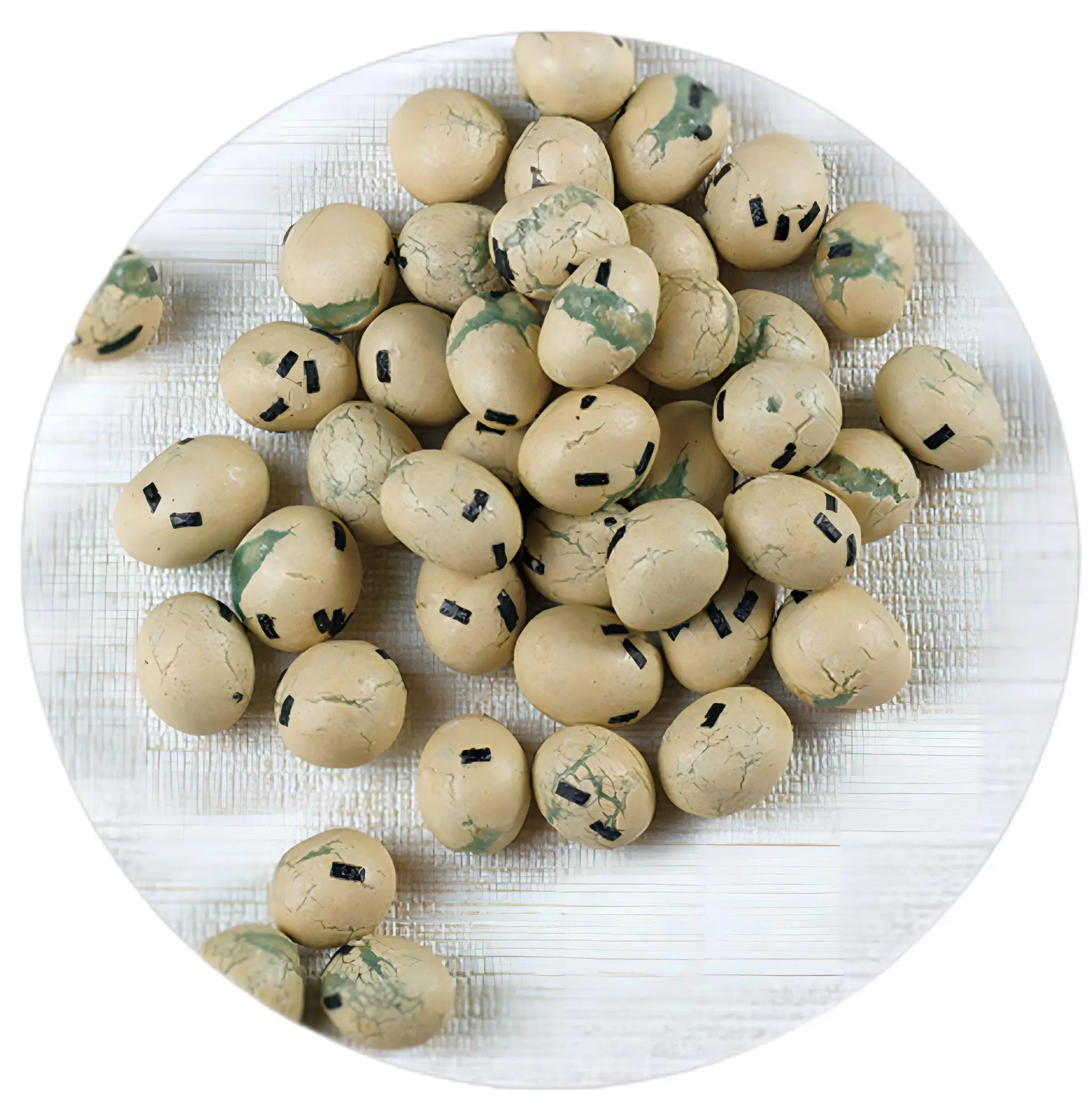
Developing successful coated peanuts begins with thorough market analysis of regional taste preferences. Asian markets typically favor savory and umami-rich coatings, with popular varieties including wasabi, seaweed, and soy-based seasonings. These coated peanuts often incorporate traditional ingredients like sesame seeds, nori, and miso powder to create authentic flavor profiles that resonate with local consumers.
European markets demonstrate preference for more subtle, sophisticated flavors in their coated peanuts selections. Mediterranean-inspired varieties featuring herbs like rosemary, thyme, and oregano perform well, alongside classic combinations such as honey-roasted and lightly salted options. The European consumer base also shows growing interest in premium organic and artisanal coated peanuts that emphasize quality ingredients and traditional preparation methods.
North American consumers tend to gravitate toward bold, sweet, and spicy flavor combinations in coated peanuts. Popular varieties include buffalo wing, barbecue, honey mustard, and cinnamon sugar coatings. The market also supports seasonal flavors and limited-edition releases, creating opportunities for innovative product development and brand differentiation within the coated peanuts category.
Age demographics play a crucial role in coated peanuts product development strategy. Younger consumers, particularly those aged 18-34, demonstrate higher willingness to experiment with unconventional flavors and premium varieties. This demographic responds well to social media marketing and values products that offer unique taste experiences and Instagram-worthy packaging for their coated peanuts purchases.
Middle-aged consumers typically prefer familiar flavors with subtle innovations in coated peanuts offerings. This segment values consistent quality, nutritional benefits, and moderate pricing. They often serve as family purchasers, making decisions that satisfy multiple household members and considering factors like ingredient transparency and health consciousness when selecting coated peanuts products.
Health-conscious consumers across all age groups represent a growing market segment for functional coated peanuts. These products incorporate superfoods, protein enhancements, and reduced sodium or sugar formulations. Successful products in this category emphasize nutritional benefits while maintaining appealing taste profiles that don't compromise on flavor satisfaction.
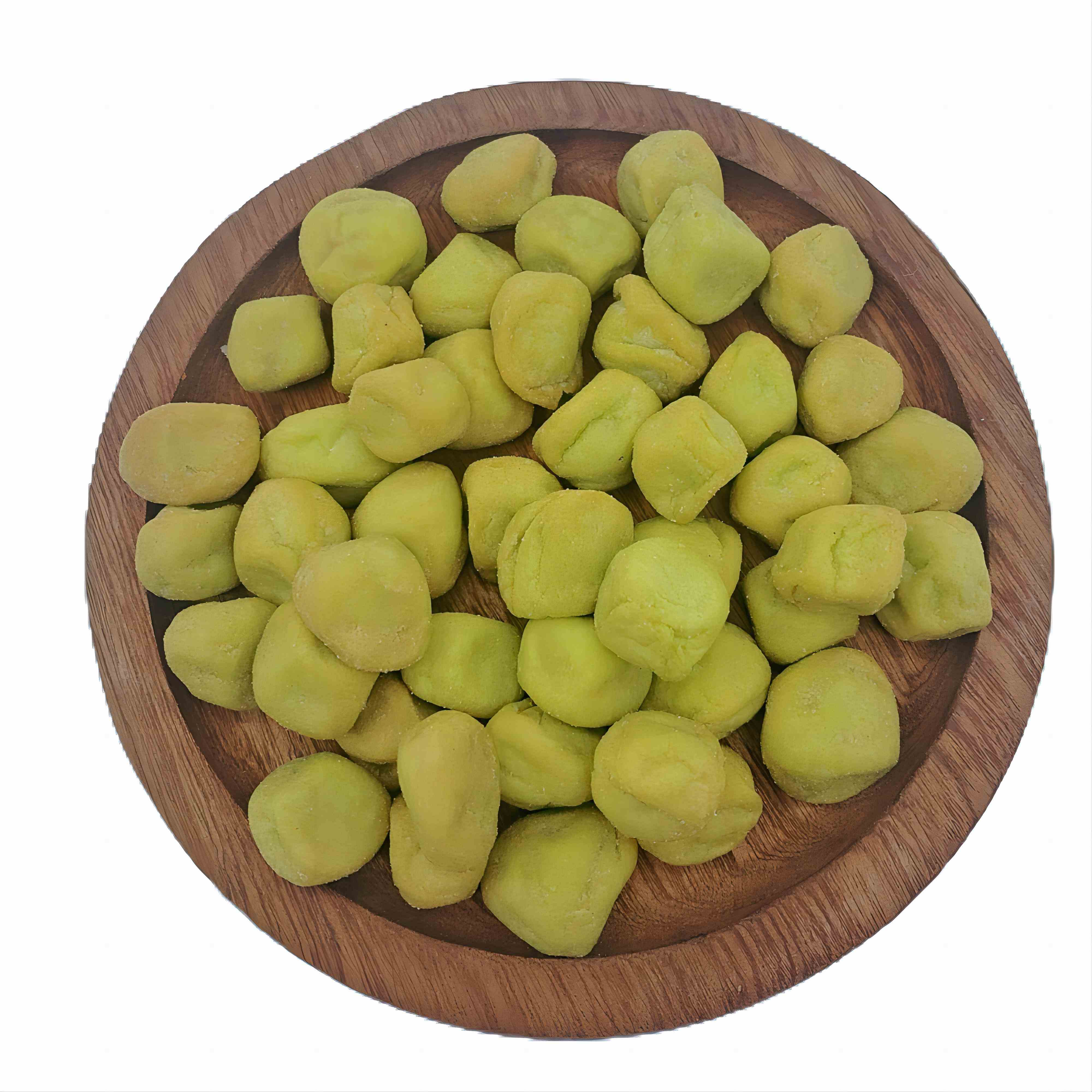
Pan coating represents the most common method for producing high-quality coated peanuts in commercial manufacturing environments. This process involves tumbling peanuts in heated rotating pans while gradually applying coating materials in thin layers. The technique allows for precise control over coating thickness, texture, and flavor distribution, making it ideal for producing consistent batches of coated peanuts that meet quality specifications.
Fluidized bed coating offers an alternative approach for creating lighter, more delicate coatings on peanuts. This method suspends peanuts in an upward-flowing air stream while spraying coating solutions, resulting in uniform coverage and efficient processing times. Fluidized bed systems work particularly well for producing coated peanuts with powder-based seasonings and create products with enhanced crispiness and reduced oil content.
Enrobing processes provide opportunities for creating premium coated peanuts with thick, substantial coatings such as chocolate, yogurt, or candy shells. These systems use conveyor belts to carry peanuts through curtains of liquid coating material, followed by controlled cooling and setting phases. Enrobed coated peanuts typically command higher price points and appeal to consumers seeking indulgent snack experiences.
Electrostatic coating technology has emerged as a game-changing innovation for producing coated peanuts with enhanced flavor adhesion and reduced waste. This method charges powder seasonings electrostatically, causing them to attract to grounded peanuts with superior efficiency. The result is more consistent seasoning distribution and the ability to achieve full flavor impact with reduced seasoning quantities in coated peanuts production.
Microencapsulation techniques allow manufacturers to create coated peanuts with time-release flavor profiles and enhanced shelf stability. This advanced technology encases flavor compounds in protective matrices that release during consumption, providing burst-of-flavor experiences and preventing flavor degradation during storage. Microencapsulated coated peanuts can deliver complex multi-stage taste experiences that differentiate products in competitive markets.
Spray-drying and agglomeration processes enable the creation of unique texture combinations in coated peanuts formulations. These techniques can produce coatings with varying particle sizes and densities, creating products with distinctive mouthfeel characteristics. Advanced agglomeration also allows for the incorporation of multiple flavor components within single coating systems, expanding creative possibilities for innovative coated peanuts development.
Achieving optimal sweet-savory balance in coated peanuts requires understanding the interaction between base peanut flavors and coating ingredients. Successful formulations typically incorporate salt levels between 1.5-3% by weight to enhance overall flavor perception without overpowering the natural nuttiness of peanuts. Sugar components should complement rather than mask the inherent peanut taste, with levels adjusted based on target market preferences and competing flavor elements.
Umami enhancement through ingredients like monosodium glutamate, yeast extracts, and mushroom powders can significantly improve the overall flavor profile of savory coated peanuts. These compounds intensify the natural savory notes in peanuts while creating more complex taste experiences that satisfy consumer cravings for bold, satisfying snacks. Proper umami integration requires careful balancing to avoid overwhelming other flavor components.
Heat level management in spicy coated peanuts involves selecting appropriate chili varieties and heat-carrying compounds that deliver desired sensory experiences without causing excessive burn or masking other flavors. Capsaicin levels should be adjusted based on target market heat tolerance, with consideration for both immediate impact and lingering heat sensation. Successful spicy coated peanuts often incorporate cooling elements like mint or dairy components to balance heat intensity.
Natural flavoring systems in coated peanuts development offer opportunities to meet consumer demand for clean-label products while delivering authentic taste experiences. Essential oils, fruit extracts, and herb concentrates can create complex flavor profiles that appeal to health-conscious consumers. However, natural systems often require more sophisticated stabilization techniques to maintain consistency and shelf life in finished coated peanuts products.
Artificial flavoring compounds provide cost-effective solutions for creating bold, consistent flavors in mass-produced coated peanuts. These systems offer superior stability, longer shelf life, and precise flavor control that enables consistent product quality across large production runs. Modern artificial flavoring technologies can replicate complex natural flavors while providing economic advantages for high-volume coated peanuts manufacturing.
Hybrid flavoring approaches combine natural and artificial components to optimize both cost and performance in coated peanuts formulations. This strategy allows manufacturers to highlight natural ingredients in marketing while maintaining production efficiency and flavor consistency. Successful hybrid systems typically use natural ingredients for primary flavor notes and artificial compounds for enhancement and stabilization purposes.
Comprehensive sensory evaluation protocols are essential for developing successful coated peanuts that meet consumer expectations. Trained taste panels evaluate attributes including initial flavor impact, flavor development, texture progression, and aftertaste characteristics. These evaluations help identify optimal seasoning levels, coating thickness, and overall product balance before committing to full-scale production of coated peanuts varieties.
Consumer preference testing provides crucial market validation for new coated peanuts products. Focus group sessions and home-use tests reveal real-world acceptance levels and identify potential modifications needed to improve market appeal. Testing should include diverse demographic groups representing target market segments to ensure broad consumer acceptance of developed coated peanuts formulations.
Shelf-life evaluation through accelerated aging studies helps predict how coated peanuts will perform during distribution and storage. These tests monitor flavor retention, texture changes, and overall quality degradation over time under various storage conditions. Understanding shelf-life characteristics enables proper packaging selection and distribution planning for coated peanuts products.
Accurate nutritional analysis ensures coated peanuts products meet labeling requirements and consumer health expectations. Testing must account for all coating ingredients and their contributions to caloric content, fat levels, sodium content, and other nutritional parameters. Proper documentation supports regulatory compliance and enables accurate nutrition fact panel creation for coated peanuts packaging.
Allergen management requires careful attention to cross-contamination risks and ingredient sourcing for coated peanuts manufacturing. Facilities must implement appropriate separation procedures and testing protocols to prevent allergen cross-contact during production. Clear allergen labeling helps consumers make informed choices and reduces liability risks associated with coated peanuts products.
Microbiological testing ensures coated peanuts products meet food safety standards throughout their intended shelf life. Water activity measurements, pathogen testing, and spoilage organism monitoring help verify that coating processes and packaging systems provide adequate protection against contamination and deterioration in finished coated peanuts products.
Modern packaging solutions for coated peanuts must balance product protection, consumer convenience, and visual appeal to maximize market success. Resealable pouches with clear windows allow consumers to see product quality while maintaining freshness between consumption occasions. Advanced barrier films protect against moisture and oxygen infiltration that could compromise coating integrity in coated peanuts products.
Portion control packaging addresses consumer demand for convenient, guilt-free snacking options in the coated peanuts category. Single-serve packages enable better portion management while supporting premium positioning and improved profit margins. Multi-pack formats provide family-friendly options while maintaining individual portion benefits for coated peanuts consumption.
Sustainable packaging alternatives respond to growing environmental consciousness among coated peanuts consumers. Biodegradable films, recycled content materials, and reduced packaging waste initiatives can differentiate products while appealing to environmentally aware market segments. However, sustainability initiatives must not compromise product protection or shelf life for coated peanuts applications.
Premium positioning strategies for coated peanuts emphasize quality ingredients, artisanal preparation methods, and unique flavor profiles that justify higher price points. Marketing messages should highlight craftsmanship, ingredient sourcing, and taste complexity to appeal to discerning consumers willing to pay for superior coated peanuts experiences.
Health-focused positioning leverages the nutritional benefits of peanuts while emphasizing coating formulations that support wellness goals. Messages about protein content, healthy fats, and functional ingredients can attract health-conscious consumers to coated peanuts products. However, health claims must be substantiated and comply with regulatory requirements for food marketing.
Value positioning focuses on delivering satisfying taste experiences and competitive pricing for budget-conscious consumers in the coated peanuts market. This approach requires efficient manufacturing processes and cost-effective ingredient sourcing while maintaining acceptable quality standards. Value-positioned coated peanuts can capture significant market share through broad retail distribution and promotional pricing strategies.
Popular coated peanuts flavors vary significantly by region, with Asian markets preferring savory options like wasabi, teriyaki, and sesame, while Western markets favor sweet varieties such as honey roasted, chocolate, and caramel. Spicy flavors including chili lime, buffalo, and sriracha have gained popularity across multiple markets, particularly among younger consumers seeking bold taste experiences in their coated peanuts selections.
Consistent coating coverage on coated peanuts is achieved through precise process control including temperature management, tumbling speed optimization, and gradual coating application. Modern manufacturing systems use automated monitoring to track coating thickness and adjust application rates in real-time. Quality control measures include regular sampling and measurement to ensure uniformity across production batches of coated peanuts.
Well-manufactured coated peanuts typically maintain optimal quality for 6-12 months when stored in appropriate packaging under proper conditions. Factors affecting shelf life include coating type, moisture content, packaging barrier properties, and storage temperature. Products with oil-based coatings may have shorter shelf lives due to rancidity concerns, while dry seasonings on coated peanuts generally provide longer stability periods.
Small-scale coated peanuts production can be achieved with basic equipment including heated tumbling drums, spray systems for liquid coatings, and drying equipment. Investment requirements vary from several thousand dollars for simple manual systems to hundreds of thousands for automated production lines. Key considerations include production volume targets, coating complexity, and desired automation level for coated peanuts manufacturing operations.

 EN
EN


 Hot News


