The snack food industry continues to evolve as consumers demand more sophisticated flavors and premium textures in their favorite treats. Among the most profitable innovations driving revenue growth are coated peanuts, which have transformed traditional snack mixes into premium offerings that command higher price points. These enhanced nuts provide manufacturers and retailers with significant opportunities to increase profit margins while delivering superior taste experiences that keep customers returning for more.
Market research indicates that premium snack mixes containing coated peanuts generate profit margins 25-40% higher than standard offerings. This substantial increase stems from multiple factors including enhanced perceived value, longer shelf life, and reduced ingredient waste during production. Understanding how to leverage these advantages effectively can transform your snack mix business from commodity pricing to premium positioning in competitive markets.
The strategic inclusion of coated peanuts addresses several critical business challenges simultaneously. These products reduce customer price sensitivity, create distinctive product differentiation, and establish stronger brand loyalty through memorable taste profiles. Additionally, the coating process extends product freshness, reducing returns and waste while enabling longer distribution chains and expanded market reach.
Consumer psychology research demonstrates that coated peanuts significantly increase perceived product value, allowing manufacturers to implement premium pricing strategies without experiencing demand erosion. The visual appeal and enhanced texture create an immediate quality impression that justifies higher retail prices. Studies show that snack mixes containing coated peanuts can sustain price premiums of 15-30% compared to standard mixed nuts.
This pricing advantage extends beyond initial sales into repeat purchase behavior. Customers who experience the superior taste and texture of quality coated peanuts demonstrate higher brand loyalty and reduced price shopping behavior. The result is sustained profit margins even in highly competitive retail environments where other products face constant pressure for promotional pricing.
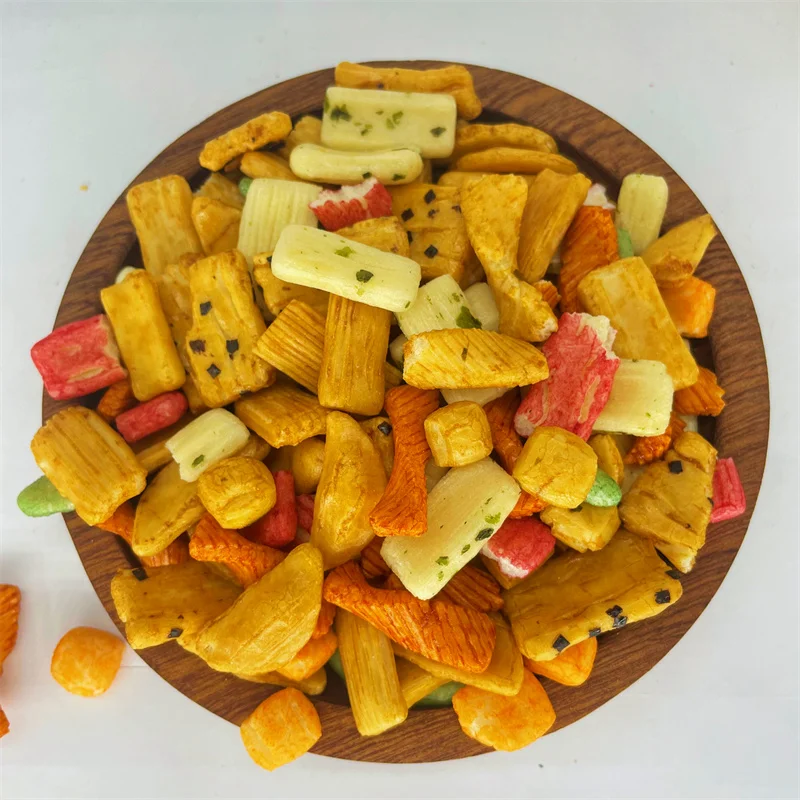
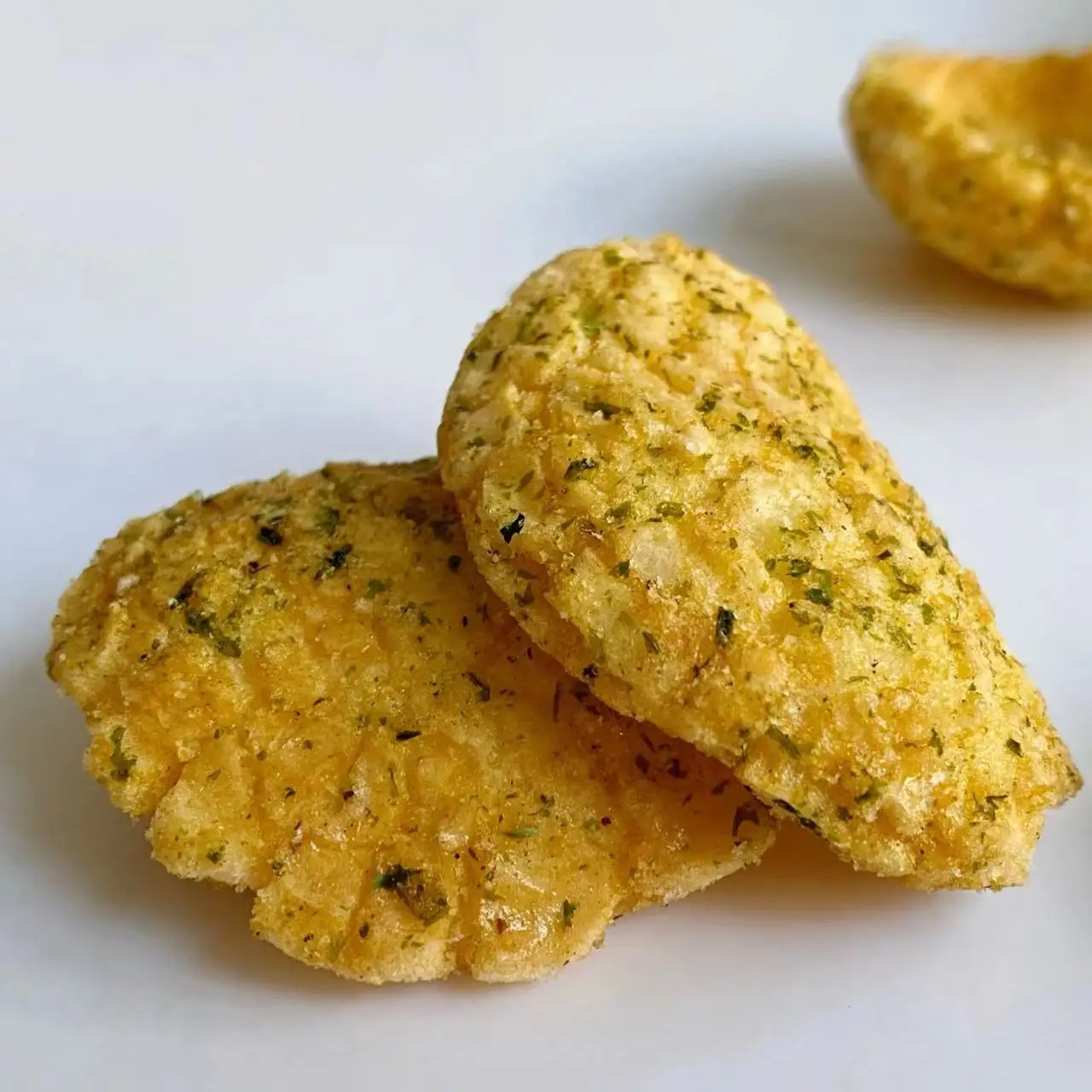
The coating process also enables unique flavor profiles that create market differentiation impossible with plain nuts. Sesame-coated varieties, honey-roasted options, and spice-enhanced alternatives allow manufacturers to target specific consumer segments with tailored offerings that command premium positioning in the marketplace.
Manufacturing efficiency improves significantly when incorporating coated peanuts into snack mix production lines. The coating creates a protective barrier that reduces oil absorption during processing, leading to more consistent product weights and reduced ingredient costs. This stability translates directly into improved cost control and predictable profit margins across production runs.
Quality coated peanuts also demonstrate superior shelf stability compared to uncoated alternatives. Extended freshness periods reduce inventory turnover requirements, decrease spoilage losses, and enable more flexible distribution scheduling. These operational improvements contribute measurably to bottom-line profitability through reduced waste and improved working capital management.
The uniform sizing and consistent texture of professionally coated peanuts streamline packaging operations by reducing jamming and improving flow characteristics through automated equipment. This enhanced processability reduces labor costs and increases production throughput, further contributing to improved profit margins.
Successful snack mix manufacturers leverage coated peanuts to create distinct premium product lines that target quality-conscious consumers willing to pay higher prices for superior products. These offerings typically feature artisanal packaging, limited ingredient lists highlighting premium components, and marketing messages emphasizing craft production methods and superior taste profiles.
The key to maximizing profitability lies in developing comprehensive product portfolios where coated peanuts serve as signature ingredients that differentiate entire product lines. This strategy creates multiple price points within the same brand family, allowing retailers to capture various consumer segments while maintaining higher average selling prices across the portfolio.
Market testing consistently shows that products prominently featuring coated peanuts achieve higher trial rates and stronger repeat purchase patterns compared to conventional offerings. This consumer preference translates into reduced marketing costs for customer acquisition and retention, further enhancing overall profitability.
Retailers recognize that coated peanuts generate higher per-unit profits and actively seek suppliers who can provide consistent quality and innovative flavor profiles. This retailer preference creates opportunities for preferential shelf placement, promotional support, and expanded distribution that amplifies profit potential beyond direct margin improvements.
The premium nature of coated peanuts also enables participation in higher-margin retail channels including specialty food stores, convenience stores, and online marketplaces where consumers expect and accept premium pricing. These channels often provide better profit margins than traditional grocery retailers while requiring smaller minimum orders and offering more flexible payment terms.
Smart manufacturers develop retailer-specific formulations and packaging options that leverage the versatility of coated peanuts to create exclusive offerings. These partnerships generate additional profit through reduced competition, guaranteed purchase commitments, and collaborative marketing investments that share promotional costs while maximizing sales velocity.
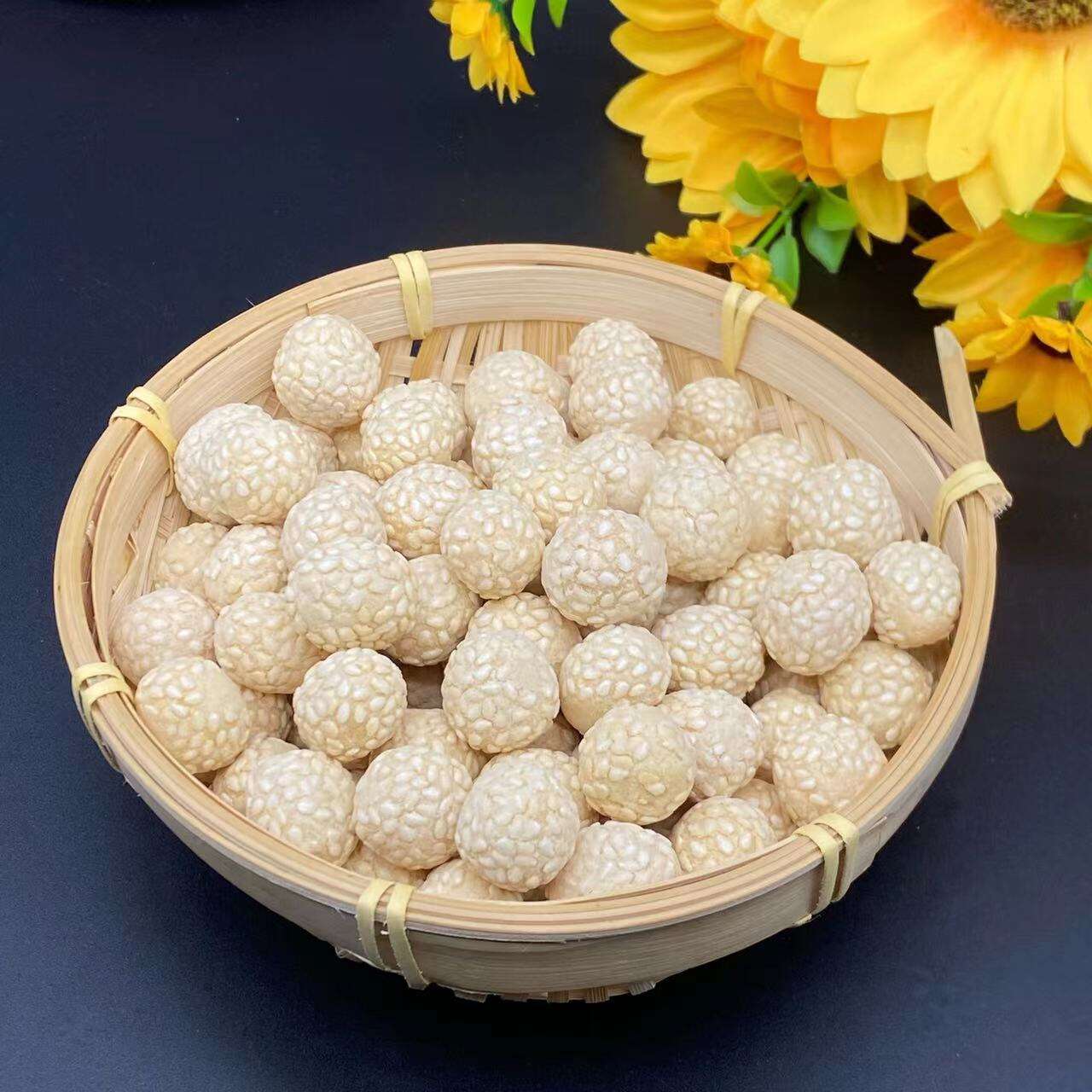
Effective sourcing strategies for coated peanuts require understanding seasonal pricing patterns, quality variations between suppliers, and the relationship between coating techniques and final product performance. Professional procurement teams establish long-term partnerships with reliable coating specialists who can provide consistent quality while offering competitive pricing through volume commitments and flexible delivery schedules.
Inventory management becomes crucial when working with coated peanuts due to their extended shelf life and premium positioning. Strategic buyers maintain optimal stock levels that balance carrying costs against potential supply disruptions while ensuring product freshness standards that support premium pricing strategies. This careful balance prevents both stockouts that damage customer relationships and excess inventory that erodes profit margins.
Quality control procedures must account for the unique characteristics of coated peanuts including coating adhesion, moisture content, and flavor stability over time. Comprehensive testing protocols ensure consistent product quality that justifies premium pricing while identifying potential issues before they impact customer satisfaction or require expensive product recalls.
Successful integration of coated peanuts into existing snack mix production requires careful attention to mixing ratios, handling procedures, and packaging considerations. The coating on premium peanuts can be sensitive to excessive handling, requiring gentle mixing techniques that preserve product integrity while ensuring even distribution throughout the final mix.
Temperature control during processing becomes more critical when working with coated peanuts due to coating characteristics that may soften or become sticky under excessive heat. Optimized processing parameters maintain product quality while maximizing production efficiency, ensuring that premium ingredients deliver their expected profit contribution without creating operational complications.
Packaging line modifications may be necessary to accommodate the unique flow characteristics and size variations of coated peanuts. These adjustments typically involve minimal capital investment while significantly improving package fill accuracy and reducing product giveaway that erodes profit margins over large production volumes.
Modern consumers increasingly seek snack options that deliver both indulgence and nutritional benefits, making coated peanuts an ideal solution for meeting these dual demands. The protein content and healthy fats in peanuts combined with coating options that add vitamins, minerals, or functional ingredients create products that appeal to health-conscious consumers willing to pay premium prices for perceived nutritional benefits.
Research indicates that consumers associate coated peanuts with artisanal production methods and higher quality ingredients, even when comparing products with similar nutritional profiles. This perception premium enables manufacturers to position their products in the better-for-you snack category where profit margins typically exceed traditional snack food segments by 20-35%.
The versatility of coating applications allows manufacturers to address specific dietary trends including organic certification, non-GMO positioning, gluten-free formulations, and plant-based options. Each of these positioning strategies enables access to consumer segments characterized by reduced price sensitivity and higher loyalty to brands that meet their specific dietary requirements.
The coating process provides unlimited opportunities for flavor innovation that keeps product lines fresh and exciting while maintaining premium positioning in competitive markets. Seasonal flavors, regional taste preferences, and emerging culinary trends can all be incorporated through creative coating applications that differentiate products and justify higher selling prices.
Consumer research shows strong preference for authentic and complex flavor profiles that cannot be easily replicated by competitors using simple seasoning blends. Coated peanuts enable these sophisticated taste experiences through layered coating applications that build flavor complexity while maintaining the appealing crunch and texture that drives repeat purchases.
Limited edition and seasonal offerings featuring unique coated peanut varieties create urgency and excitement that drives higher sales velocities and reduced promotional requirements. These special products often command the highest profit margins while generating publicity and social media engagement that provides valuable marketing benefits at minimal cost.
Coated peanuts provide manufacturers with powerful tools for creating distinctive brand identities that resist commoditization and price competition. The visual appeal, unique textures, and proprietary flavor profiles possible with professional coating applications enable brands to establish strong market positions based on quality and innovation rather than competing solely on price.
Successful brands leverage coated peanuts to tell compelling stories about their commitment to quality ingredients, artisanal production methods, and culinary expertise. These narratives resonate with consumers who increasingly value authenticity and craftsmanship in their food choices, creating emotional connections that support premium pricing and reduce customer defection to competitive offerings.
The premium nature of coated peanuts also enables brands to participate in gift and specialty markets where profit margins significantly exceed traditional retail channels. Products featuring high-quality coated peanuts perform well in corporate gifts, holiday packages, and gourmet food stores where consumers expect and readily pay premium prices for exceptional quality.
Premium snack mixes containing coated peanuts qualify for distribution through higher-margin channels including specialty food retailers, online marketplaces, and direct-to-consumer sales platforms. These alternative channels often provide better profit margins while requiring smaller minimum orders and offering more flexible terms than traditional grocery retailers.
The extended shelf life and premium positioning of products featuring coated peanuts make them ideal for subscription box services and recurring delivery programs that generate predictable revenue streams with higher customer lifetime values. These business models reduce customer acquisition costs while providing steady cash flow that improves overall business profitability.
International expansion becomes more feasible with products featuring coated peanuts due to their superior stability during shipping and their appeal to global consumers seeking premium American snack foods. Export markets often provide significantly higher profit margins while helping to diversify revenue sources and reduce dependence on domestic market fluctuations.
Manufacturers typically experience profit margin improvements of 25-40% when transitioning from standard mixed nuts to premium offerings featuring coated peanuts. This increase results from higher selling prices, reduced waste during production, and improved operational efficiency. The exact improvement depends on factors including coating quality, market positioning, and distribution channel selection.
Quality coated peanuts significantly extend product shelf life by creating protective barriers that prevent oil rancidity and moisture absorption. This extension typically ranges from 30-50% longer than uncoated alternatives, reducing inventory turnover requirements and spoilage losses. Improved stability also enables more flexible distribution scheduling and expanded geographic reach without compromising product quality.
Successful sourcing requires evaluating coating adhesion quality, flavor consistency, size uniformity, and supplier reliability. Priority should be given to suppliers with certified food safety systems, consistent production capacity, and ability to provide customized formulations. Long-term partnerships with quality suppliers ensure consistent product performance while often providing better pricing through volume commitments and collaborative product development.
Production optimization involves adjusting mixing speeds to prevent coating damage, implementing temperature controls to maintain coating integrity, and modifying packaging equipment to accommodate different flow characteristics. Quality control procedures should include coating adhesion testing, moisture analysis, and flavor stability verification. These adjustments typically require minimal capital investment while significantly improving product quality and production efficiency.

 EN
EN


 Hot News