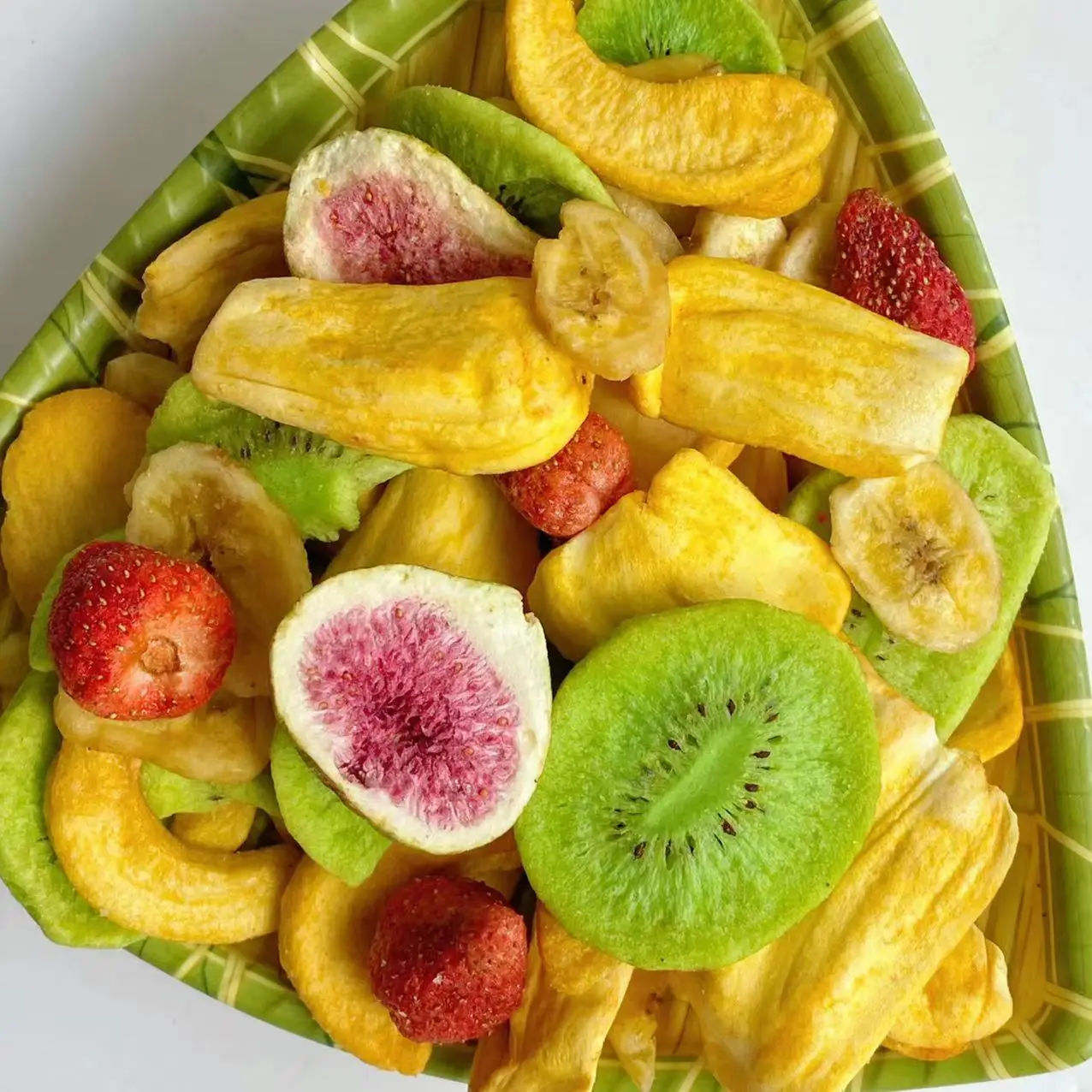
The retail food industry continues to evolve as consumers demand healthier snack options without compromising convenience or shelf life. Among the most promising product categories driving profitability today, freeze dried fruits stand out as a premium offering that delivers exceptional margins while meeting growing consumer preferences. These innovative snacks combine the nutritional benefits of fresh produce with extended storage capabilities, creating a compelling value proposition for retailers seeking to enhance their profit margins. Understanding how freeze dried fruits can transform your retail business requires examining market trends, consumer behavior, and the unique advantages these products offer over traditional snack alternatives.
Modern consumers increasingly prioritize health-conscious purchasing decisions, creating substantial opportunities for retailers offering freeze dried fruits. Market research indicates that 73% of shoppers actively seek snacks with minimal processing and natural ingredients. This trend directly benefits freeze dried fruits, which retain up to 97% of their original nutritional content while eliminating artificial preservatives commonly found in traditional dried fruits. The freeze drying process preserves vitamins, minerals, and antioxidants without compromising taste or texture, appealing to health-focused demographics willing to pay premium prices for superior quality products.
The demographic driving freeze dried fruit consumption spans multiple age groups, from health-conscious millennials to parents seeking nutritious options for their children. This broad appeal enables retailers to position these products across various store sections, from health food aisles to children's snack areas, maximizing exposure and sales potential. Additionally, the clean label movement has amplified demand for products with simple ingredient lists, where freeze dried fruits excel by containing only the fruit itself without additives or artificial components.
Freeze dried fruits command significantly higher retail prices compared to conventional dried fruits or processed snacks, directly impacting profit margins. The sophisticated freeze drying technology required for production, combined with the premium positioning of these products, allows retailers to achieve markup percentages often exceeding 60% while maintaining competitive appeal. Consumers readily accept higher prices for freeze dried fruits because they perceive superior value through enhanced nutrition, longer shelf life, and convenient portability.
The premium pricing strategy becomes even more attractive when considering the product's extended shelf stability. Unlike fresh fruits that require frequent restocking due to spoilage, freeze dried fruits maintain quality for 12-18 months, reducing inventory turnover costs and minimizing waste-related losses. This stability enables retailers to stock larger quantities during promotional periods or seasonal peaks, optimizing buying power and further enhancing profit margins through volume purchasing advantages.

The exceptional shelf life of freeze dried fruits revolutionizes inventory management practices, directly contributing to improved profit margins through reduced waste and optimized cash flow. Traditional fresh produce requires careful rotation and frequent markdowns to prevent spoilage losses, whereas freeze dried fruits maintain consistent quality throughout their extended shelf life. This stability allows retailers to implement more strategic purchasing decisions, taking advantage of volume discounts and seasonal pricing opportunities without concern for product deterioration.
Storage requirements for freeze dried fruits also favor retail operations, as these products require minimal refrigeration or special handling compared to fresh alternatives. The lightweight nature of freeze dried fruits reduces transportation costs and simplifies warehouse management, while their compact packaging maximizes shelf space utilization. These operational efficiencies translate directly into cost savings that enhance overall profit margins while providing flexibility in product placement and promotional strategies.
Freeze dried fruits offer exceptional versatility for cross-category merchandising, enabling retailers to increase average transaction values while introducing customers to premium product offerings. These products complement numerous categories including baking ingredients, breakfast cereals, trail mixes, and children's snacks, creating multiple touchpoints throughout the store. Strategic placement near complementary items encourages impulse purchases and introduces freeze dried fruits to consumers who might not actively seek them in traditional produce sections.
The ingredient functionality of freeze dried fruits extends their appeal beyond standalone snacking, positioning them as premium baking and cooking ingredients. This dual-purpose positioning allows retailers to capture both convenience-focused snack purchases and ingredient-driven shopping occasions, effectively doubling the target market while maintaining premium pricing across both use cases. Successful cross-merchandising strategies often result in increased customer discovery and repeat purchases as consumers recognize the versatility and quality advantages.
Health-focused consumers represent the primary growth driver for freeze dried fruits, consistently demonstrating willingness to pay premium prices for perceived nutritional benefits. This demographic typically includes fitness enthusiasts, parents of young children, and individuals following specific dietary plans who prioritize natural, minimally processed foods. Research indicates these consumers spend 35% more per shopping trip on premium snack options compared to conventional shoppers, making them highly valuable targets for freeze dried fruit positioning.
Marketing messages that emphasize the retention of nutrients, absence of artificial additives, and convenience factor resonate strongly with health-conscious consumers. These buyers often research product ingredients and manufacturing processes, making them ideal candidates for educational content highlighting the freeze drying process and its benefits over traditional preservation methods. Building trust with this demographic through transparent labeling and quality certifications creates loyal customers who become advocates for freeze dried fruits among their social networks.
Busy families represent another lucrative segment for freeze dried fruits, particularly those seeking portable, mess-free snack options for children and active lifestyles. Parents appreciate the combination of nutritional value and convenience that freeze dried fruits provide, especially for school lunches, travel snacks, and emergency food supplies. The lightweight, non-perishable nature of these products addresses multiple pain points for family shoppers while commanding premium pricing due to perceived value.
Positioning freeze dried fruits as family-friendly options requires emphasis on safety, nutritional benefits, and convenience factors that matter most to parent purchasers. Child-appropriate packaging, familiar fruit varieties, and clear nutritional information help overcome potential barriers to trial while highlighting advantages over traditional processed snacks. Successful retailers often create family-focused displays that showcase freeze dried fruits alongside complementary items like water bottles, lunch containers, and other healthy snacking options.
Establishing reliable partnerships with reputable freeze dried fruit suppliers is crucial for maintaining consistent product quality and availability that supports premium pricing strategies. Quality suppliers invest in advanced freeze drying technology and rigorous quality control processes that ensure consistent texture, flavor, and nutritional content across product batches. These partnerships enable retailers to confidently promote freeze dried fruits as premium offerings while minimizing customer complaints or returns that could damage profit margins.
Supplier selection should prioritize companies with certifications for food safety, organic production, and quality management systems that align with customer expectations for premium products. Working with established suppliers also provides access to product innovation, seasonal variety, and marketing support that enhances retail positioning. Long-term supplier relationships often yield preferential pricing, exclusive product access, and collaborative promotional opportunities that further strengthen profit margins.
Strategic seasonal planning for freeze dried fruits procurement can significantly impact profit margins through optimized buying opportunities and inventory management. Unlike fresh produce with limited seasonal windows, freeze dried fruits can be purchased during peak harvest seasons when raw material costs are lowest, then stored for year-round sales without quality degradation. This procurement strategy allows retailers to lock in favorable costs while maintaining consistent pricing and margins throughout seasonal fluctuations.
Understanding seasonal demand patterns for different freeze dried fruit varieties enables retailers to optimize inventory investments and promotional timing. Summer months typically drive higher demand for tropical and berry varieties, while apple and pear options perform better during fall and winter seasons. Aligning procurement strategies with these patterns while leveraging the extended shelf life capabilities of freeze dried fruits creates opportunities for improved cash flow management and enhanced profitability.
Successful positioning of freeze dried fruits requires emphasizing their premium attributes and unique value proposition compared to conventional snack alternatives. Marketing messages should focus on the advanced preservation technology, superior nutritional retention, and convenience benefits that justify higher price points. Effective positioning often involves educating consumers about the freeze drying process and its advantages over traditional drying methods, creating understanding that supports premium pricing acceptance.
Visual merchandising plays a crucial role in reinforcing premium positioning, with clean packaging design, prominent placement, and clear nutritional information supporting the quality perception. Retailers often find success positioning freeze dried fruits near other premium health products rather than conventional snacks, creating environmental cues that reinforce quality expectations. In-store sampling programs and demonstration events can effectively introduce customers to the unique texture and taste of freeze dried fruits while building confidence in the premium pricing structure.
Digital marketing channels offer powerful opportunities to reach target demographics for freeze dried fruits while building brand awareness and driving traffic to retail locations. Social media platforms enable retailers to showcase the versatility of freeze dried fruits through recipe content, nutritional education, and lifestyle positioning that resonates with health-conscious consumers. Content marketing strategies highlighting the benefits of freeze dried fruits versus conventional options help build consumer knowledge and purchasing confidence.
Email marketing campaigns targeting existing customers with educational content about freeze dried fruits can drive trial purchases and repeat sales. Retailers often achieve success with targeted promotions offering sample sizes or bundle deals that encourage customers to experience the product quality firsthand. Digital advertising focused on health-conscious demographics and convenience-seeking families can effectively drive awareness and foot traffic while supporting premium positioning strategies.
Freeze dried fruits typically generate profit margins 40-60% higher than conventional dried fruits or processed snacks due to their premium positioning and reduced waste factors. The extended shelf life eliminates spoilage losses common with fresh produce, while consumer willingness to pay premium prices for perceived health benefits enables retailers to achieve markup percentages often exceeding 60%. Additionally, lower inventory turnover costs and reduced markdown requirements contribute to overall profitability improvements compared to traditional snack categories.
Freeze dried fruits require minimal special storage conditions, needing only dry, room-temperature environments protected from direct sunlight and moisture. Unlike fresh produce requiring refrigeration or frozen items demanding freezer space, freeze dried fruits can be stored in standard warehouse or retail shelf conditions for 12-18 months without quality degradation. This storage simplicity reduces operational costs while maximizing shelf space efficiency, contributing positively to profit margins through lower handling and storage expenses.
Health-conscious consumers aged 25-45, particularly parents with children and fitness enthusiasts, demonstrate the strongest purchase intent for freeze dried fruits. These demographics typically prioritize nutritional value, convenience, and natural ingredients while showing willingness to pay premium prices for perceived quality benefits. Secondary markets include outdoor recreation enthusiasts, busy professionals seeking portable snacks, and seniors interested in shelf-stable nutritious options, all of whom value the unique benefits that freeze dried fruits provide.
Optimal pricing strategies for freeze dried fruits should position them as premium products commanding 2-3 times the price of conventional dried fruits while remaining competitive with other health-focused snacks. Price points typically range from $8-15 per package depending on size and variety, with markup percentages of 50-70% proving sustainable in most markets. Regular promotional pricing at 15-20% discounts can drive trial without undermining premium positioning, while bundle offers with complementary products increase average transaction values and customer lifetime value.

 EN
EN




 Hot News


